






Care & how-to
How Much Does It Cost to Raise Chickens?
Raising a small backyard flock can require several hundred to more than a thousand dollars up front, with continuing costs for feed, bedding, utilities, and care. That is an extension estimate, not a quote for your property. The useful answer comes from pricing a suitable setup locally and including the work and risks that an attractive chick price leaves out.
By Matt GarnettUpdated November 11, 20264 min read4 sources
Separate the initial purchase from the continuing cost
University of Delaware Cooperative Extension gives the broad startup range above and stresses that flock size, location, housing, and management change the outcome. Start a list with two columns: items you must buy before birds arrive, and items you will keep purchasing. This prevents a cheap initial purchase from hiding a larger ongoing commitment.
Treat published dollar figures as examples tied to their assumptions. A used building, a newly purchased coop, and a site needing drainage work are different projects. Get current prices for your actual requirements rather than copying a total from someone whose flock and property differ from yours.
Price housing and the equipment needed to use it
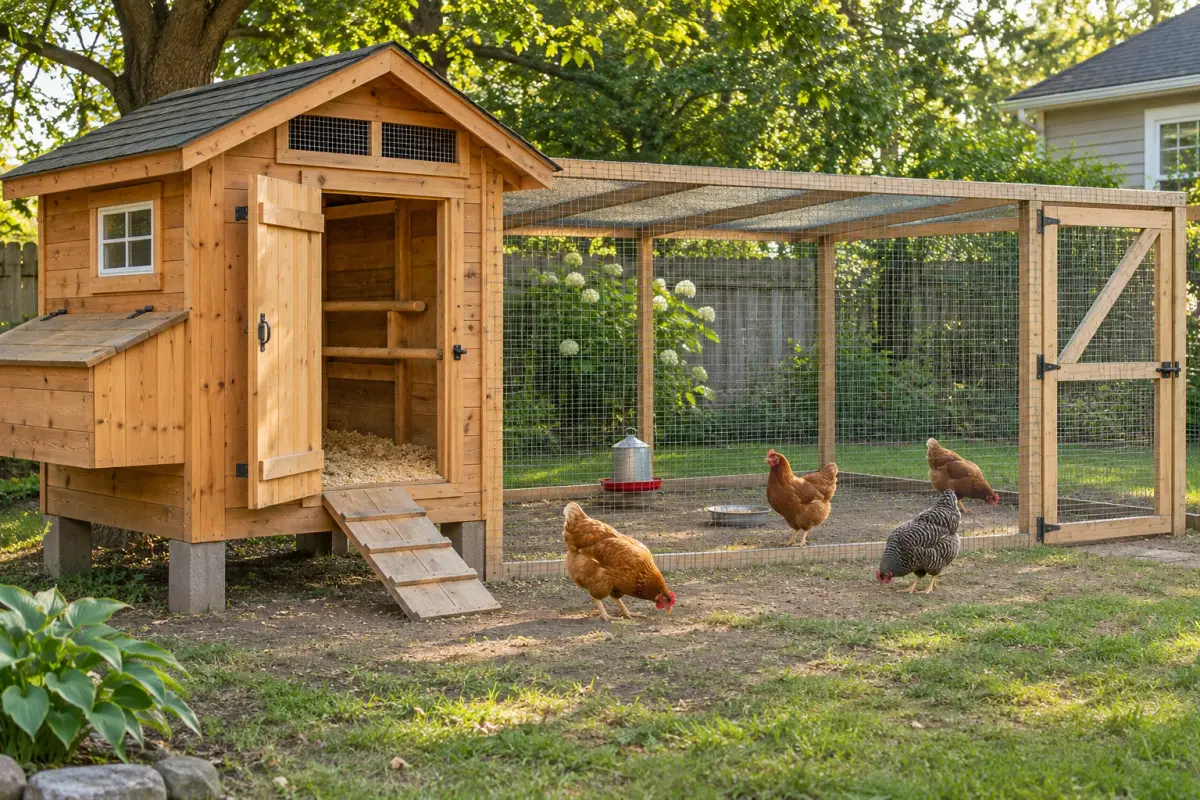
Include the protected housing, outdoor enclosure, feeders, waterers, storage, and nesting arrangements your flock will need. Delaware’s guide makes housing and equipment part of the upfront calculation. When reviewing the Chicken Coops and Chicken Runs collections, compare the whole usable setup rather than treating a coop price as the total project.
The University of Maryland’s sample layer budget lists housing separately from feeders and waterers. Its figures describe a particular example flock, so they are not a shopping estimate for a handful of pet hens. Use the categories as a checklist, then replace example amounts with current quotes and quantities.
Allow for chicks, older birds, and the stage of production
Starting with chicks and starting with older pullets involve different purchases. Delaware’s budget discussion notes that buying older pullets changes the need for chick starter and grower feeds. Ask what age you are buying and identify what equipment will be required before comparing the two options.
A meat-bird project also needs a different budget from long-term egg keeping. Minnesota Extension includes brooding heat, bedding, lighting, labor, and processing-related planning in its meat-chicken guidance. Do not borrow an egg-flock total for a meat project simply because both begin with small chicks.
Calculate recurring spending with your own figures
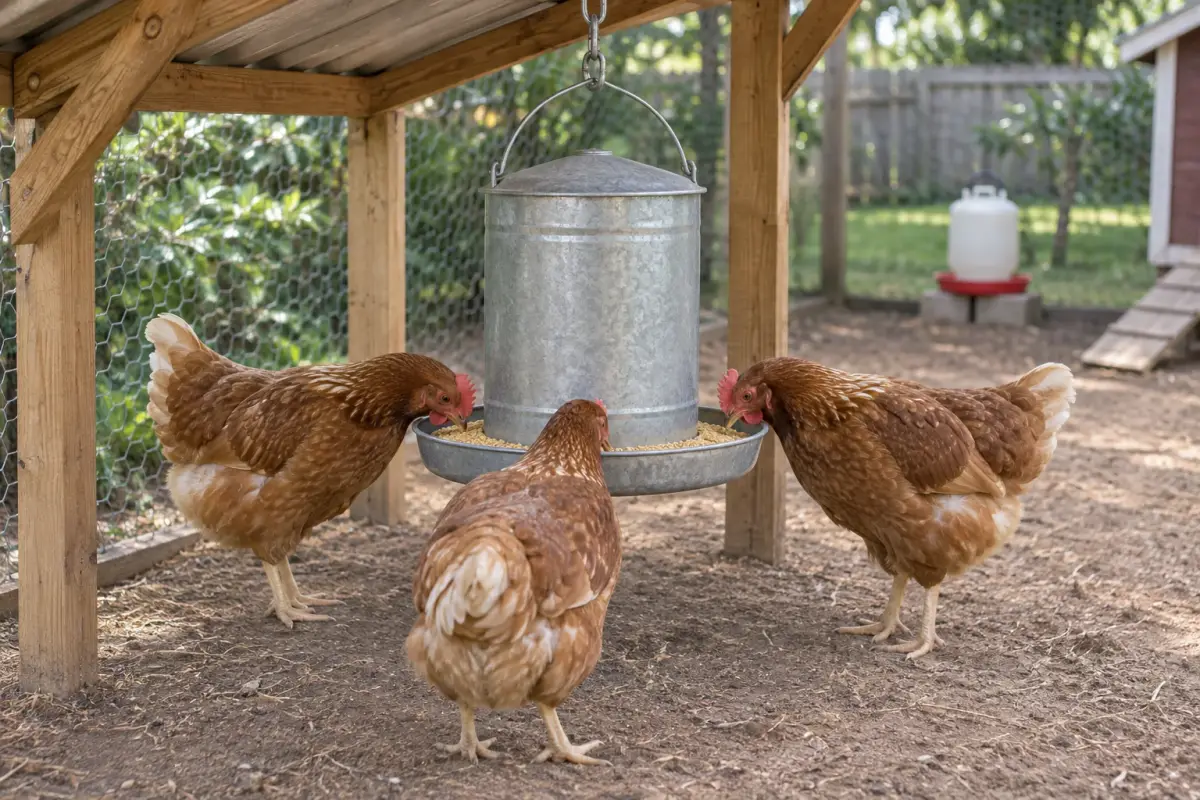
Record feed and bedding purchases, electricity, replacement equipment, and other routine expenses as they occur. For a monthly estimate, multiply the quantity you expect to buy by the current unit price. Keep the original units clear: a bag, a bale, and a pound are different measures.
Minnesota Extension recommends comparing production costs with the relevant retail market instead of assuming home production is automatically cheaper. Include the whole production period in that comparison. For hens, months with fewer eggs still involve care, while a meat-bird calculation also depends on the expected processing outcome.
Include daily work and a reserve for problems
The Maryland example budget explicitly records labor time alongside cash expenses. Even when nobody is paid, feeding, watering, cleaning, and collecting eggs require someone to be available. Write down who will provide that care during vacations or illness and whether arranging cover will add a cost.
Keep a reserve for repairs and veterinary care rather than using every available dollar on the initial setup. Identify a veterinarian who treats poultry before a bird is ill. Breathing difficulty, marked weakness, or a sudden change in the flock needs professional advice; a budget concern should not become a reason to postpone that call.
Review the numbers before counting egg savings
Delaware explains that the cost per dozen depends on production and management, and that startup expenses can be spread over several years. Separate your enjoyment of keeping chickens from the arithmetic. Eggs used at home have value, but that does not automatically make the flock a cash-saving project.
Compare your forecast with actual receipts and output after you begin. If the figures do not work, revisit the proposed flock size or postpone the purchase until suitable housing and ongoing care fit the budget. Ask an extension specialist or poultry veterinarian about practical concerns before committing.
Include the housing and outdoor enclosure in the initial budget. Compare dimensions and maintenance access when reviewing the Chicken Coops and Chicken Runs collections, rather than budgeting only for the birds.
This page is general information, not veterinary advice, and it cannot replace advice from a veterinarian who treats poultry.
Common questions
How much does it cost to raise chickens?
A current extension guide describes several hundred to more than a thousand dollars in startup costs for a backyard flock. Your total depends on housing, location, flock size, and the equipment already available.
Is the price of the chicks the main expense?
No. You also need suitable housing and equipment before they arrive, followed by continuing purchases and daily care. Compare complete startup and ongoing costs rather than using the bird price alone.
Will backyard eggs always cost less than store eggs?
No. Cost per dozen changes with feed prices, production, setup costs, and management. Calculate your own costs and compare them with the eggs you would otherwise buy instead of assuming a saving.
Should veterinary care be included in a chicken budget?
Yes. Allow for professional care and identify a veterinarian who treats poultry before illness occurs. A bird with breathing difficulty or marked weakness needs prompt advice even if the expense was unexpected.
Sources we checked
This guide is general information, not veterinary advice. If your pet is unwell or injured, contact your veterinarian.


