






Care & how-to
How to Keep Chickens Out of the Garden
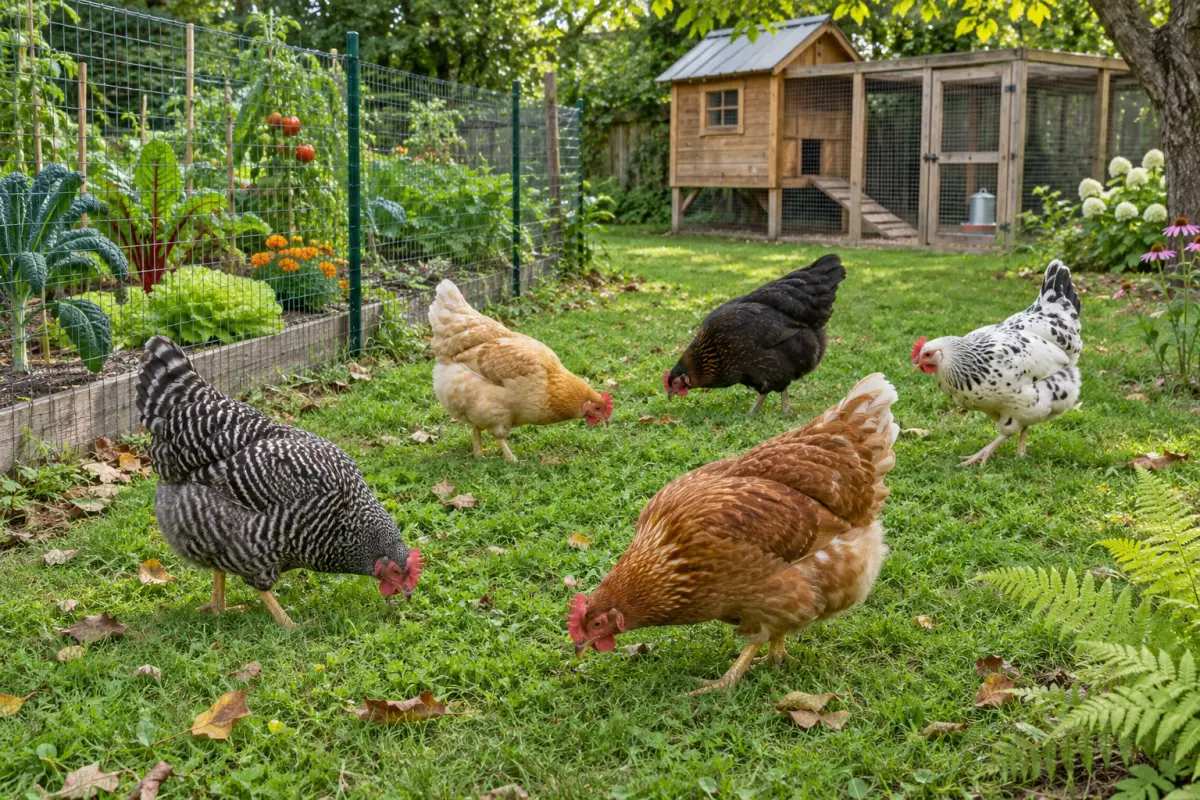
Keep chickens out of planted garden beds with a secure physical barrier and a separate area that provides their normal feed, water, shelter, and space. Protect young plants before birds can reach them, and check gates as carefully as fencing. University of Vermont Extension describes fences and plant covers as ways to prevent damage while managing where chickens are allowed to forage.
By Matt GarnettUpdated November 11, 20264 min read3 sources
Decide which areas are off limits
Mark the boundary around beds you intend to plant and maintain it throughout the growing season. Vermont Extension explains that chickens can eat newly sown seeds and emerging seedlings and damage tender roots by scratching. Waiting until a plant looks damaged means the protection has already come too late for that crop.
Include the working area around the beds when planning the boundary. A gate left open while carrying tools creates an entry route even if the fence itself is sound. Give everyone who uses the garden the same instruction about closing the gate and where the flock is allowed.
Choose barriers that fit the actual problem
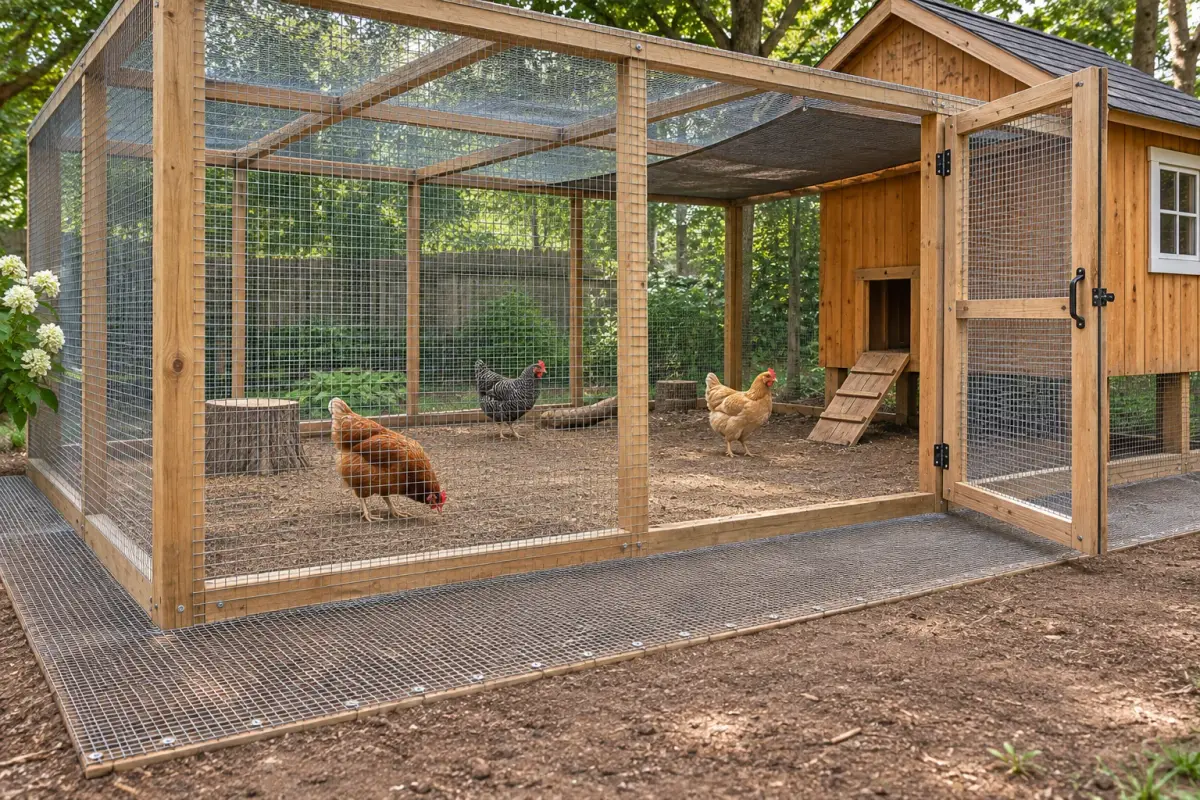
Vermont Extension discusses portable fencing, row covers, bird netting, and wire cloches as ways to separate chickens from crops. Choose an arrangement that protects the plants you have and remains secure during ordinary gardening work. Inspect edges, supports, and closures rather than relying on the product name to establish containment.
Check loose material and openings from the birds’ side as well as the gardener’s side. Keep birds from becoming caught in damaged covers or gaps, and repair problems before restoring access. If a barrier repeatedly fails, revise the layout instead of expecting chickens to respect an invisible boundary around seedlings.
Consider a separated perimeter route
Where space allows, Vermont Extension suggests a double fence with a passage between the fences so chickens can patrol outside the protected growing area. A covered top can help contain them. This is an optional design to discuss and adapt, rather than a promise that a particular fence height will stop every bird.
The passage still needs safe access, suitable conditions, and a way to care for the flock. Do not create a narrow unused strip and assume it can replace the birds’ regular accommodation. Check where feed and water will be placed and how a person will reach a bird that needs attention.
Keep garden treatments outside poultry access
Fertilizers, fungicides, pesticides, and other treatments can create concerns for chickens, including products described as organic. Vermont Extension advises keeping birds at a safe distance from garden chemicals. Store packaging securely and follow the actual product restrictions instead of inventing a universal waiting period for the garden.
Do not leave a mixing container, treated waste, or spilled material beside the poultry entrance. If birds reach a product, contact a poultry veterinarian and keep the label available. Describe what happened, when it occurred, and whether other animals had access; do not assume a garden-use label establishes animal safety.
Keep growing and feeding equipment distinct
Maryland Extension’s garden food-safety guidance emphasizes clean hands, tools, and safe handling to reduce contamination of produce. Use separate containers for harvested food and poultry waste. A basket recently used to carry bedding should not become the harvest basket without appropriate cleaning and a deliberate change of use.
Wash hands after poultry chores and before handling food, and keep the garden work area organized so waste does not spill into harvest containers. Ask a local extension food-safety specialist about produce affected by animal waste. Do not assume that a visibly clean leaf resolves an uncertain contamination incident.
Give the flock a suitable alternative area
Keeping birds out of vegetables still requires an appropriate poultry environment. University of Minnesota Extension stresses suitable shelter, balanced feed, and continuous access to clean water. Check these provisions in the area the flock will actually use while the garden is closed, especially if the seasonal boundary changes their usual route.
Observe birds after changing the layout. Contact a poultry veterinarian for injury, reduced eating, unusual quietness, breathing changes, or persistent abnormal droppings. A bird repeatedly caught in a barrier or unable to reach water needs the environment corrected immediately, with veterinary care for any resulting injury or illness.
Consider where birds will be sheltered and where their outdoor access will end. Use the Chicken Coops and Chicken Runs collections when comparing a layout that keeps poultry care manageable and protects the growing area.
This page is general information, not veterinary advice, and it cannot replace advice from a veterinarian who treats poultry.
Common questions
How do I keep chickens out of the garden?
Use a maintained physical boundary and close gates consistently. Protect seedlings before damage occurs, check edges and covers, and keep the flock in a suitable separate area with its normal feed, water, and shelter.
Can plant covers keep chickens away from seedlings?
Vermont Extension discusses row covers, bird netting, and wire cloches as possible barriers. The arrangement must fit the crop and remain secure; inspect it regularly so birds cannot enter gaps or become caught.
Can chickens patrol around a fenced garden?
A double-fenced perimeter passage is one option described by Vermont Extension. It needs containment, adequate room, and practical access for care. Treat it as a managed poultry space rather than an unattended strip between fences.
Can I let chickens into a garden after spraying?
Check the actual product instructions and obtain advice when animal access is unclear. There is no single waiting period that applies to all products. Keep birds away from treated material and report possible exposure to a poultry veterinarian.
Sources we checked
This guide is general information, not veterinary advice. If your pet is unwell or injured, contact your veterinarian.


