






Care & how-to
Why Is My Chicken Sneezing?
Sneezing can be a sign of respiratory infection in chickens, and repeated sneezing or other changes deserves a call to a poultry veterinarian. The sound alone cannot identify the cause. Watch the whole flock, note appetite and breathing changes, and check the housing. A bird that is struggling to breathe needs urgent advice, rather than an attempt to choose a treatment from symptoms online.
By Matt GarnettUpdated November 11, 20264 min read4 sources
Several respiratory diseases can look similar
Merck describes coughing, sneezing, discharge, and breathing changes in chickens with Mycoplasma gallisepticum infection. It also describes respiratory signs in infectious bronchitis, a separate viral disease. Those examples explain why a familiar symptom is not enough to choose a diagnosis or decide which treatment a flock needs.
Tell your veterinarian whether the change began in one bird or several, whether birds recently arrived, and whether there has been contact with another flock. A brief video may help show an intermittent sound, but it cannot replace an examination or the testing needed to distinguish diseases.
Call today for repeated sneezing or accompanying changes
Contact a veterinarian who treats poultry when sneezing recurs or appears with nasal discharge, frothy eyes, reduced appetite, or unusual quietness. Merck notes that respiratory disease may also affect egg production. Record changes in eating and laying alongside the breathing signs, rather than treating each observation as an unrelated problem.
Do not wait for every bird to be affected before asking for advice. Some infections can be carried by birds that do not show obvious illness. Describe any recent transport, new birds, or changes in the coop, since flock history is useful when deciding what needs investigation.
Treat severe breathing trouble as urgent
Seek urgent veterinary advice for gasping, pronounced breathing difficulty, collapse, or rapidly worsening birds. Utah State Extension also flags sudden high mortality, extreme swelling around the face or comb, and paralysis-like signs as reasons to contact a veterinarian or poultry extension specialist immediately. These are not signs to watch casually overnight.
If several birds become very ill or die unexpectedly, ask your veterinarian about contacting the state veterinarian and a diagnostic laboratory. Do not move birds to a friend’s flock or a poultry event while trying to work out the cause. Follow professional instructions about handling and any needed samples.
Check the environment without assuming it explains everything
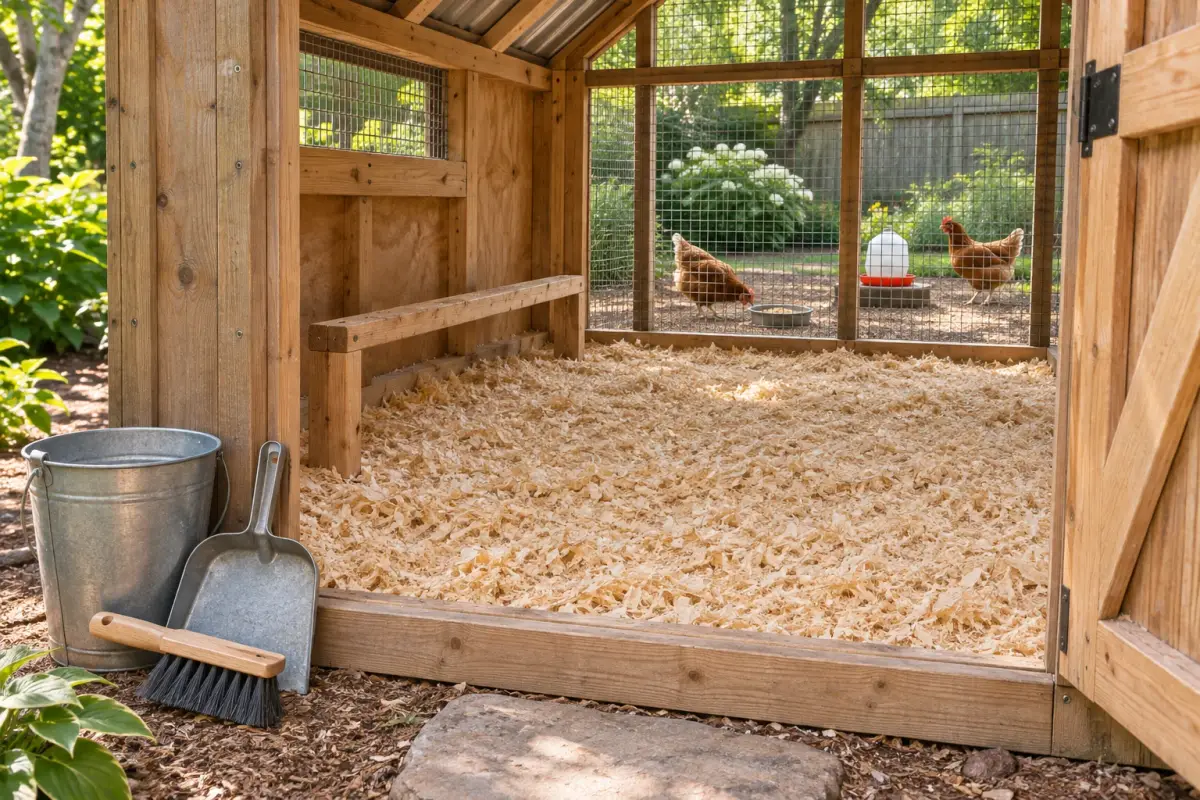
Merck’s poultry disease guidance identifies poor air quality, crowding, and environmental stress as factors that can make respiratory illness worse. Inspect the coop and the Chicken Coops and Chicken Runs setup for ventilation, leaks, and dirty material. Correct obvious husbandry problems while you arrange advice about the birds.
Mold also matters. Merck describes aspergillosis as an infection linked to inhaling fungal spores, including exposure associated with contaminated bedding. Avoid disturbing suspect material around the flock. Finding damp or moldy bedding does not establish that this is the disease present; several conditions can produce breathing trouble.
Let testing guide treatment decisions
Your veterinarian may use flock history, an examination, and laboratory testing to investigate the problem. Merck describes PCR testing for Mycoplasma and infectious bronchitis, while fungal disease requires a different diagnostic approach. Ask what samples are useful and how they should be collected rather than attempting to obtain them without guidance.
Keep the names of any products already given and report them accurately. Do not begin leftover antibiotics, human medicines, or a home supplement mixture. Different causes need different decisions, and apparent improvement does not necessarily establish that an infection has been eliminated from the flock.
Reduce opportunities for disease to reach other birds
Utah State Extension recommends keeping new chickens separate while observing them and using clean clothing, footwear, and hands when moving between flocks. Review how people, equipment, and birds enter your poultry area. Ask your veterinarian for precautions appropriate to the suspected problem, including how to care for affected birds separately.
Merck explains that aspergillosis differs from contagious respiratory infections because it is not spread between birds. That is another reason to identify the cause rather than assume all sneezing behaves the same way. Prevention and follow-up should match the professional assessment.
For longer-term housing review, consider airflow and cleaning access in both the shelter and enclosure. The Chicken Coops and Chicken Runs collections offer places to compare arrangements; housing changes do not replace veterinary assessment of sick birds.
This page is general information, not veterinary advice, and it cannot replace advice from a veterinarian who treats poultry.
Common questions
Why is my chicken sneezing?
Sneezing can occur with respiratory diseases, including Mycoplasma infection and infectious bronchitis. Other observations and testing are needed to identify the cause, so repeated sneezing or accompanying changes should be discussed with a poultry veterinarian.
Is chicken sneezing an emergency?
Severe breathing difficulty, gasping, collapse, sudden deaths, or major swelling needs urgent veterinary advice. Repeated sneezing without those signs still deserves prompt discussion, especially if appetite, activity, or egg production changes.
Can I give a sneezing chicken leftover antibiotics?
Do not start leftover medicine without veterinary direction. Respiratory signs have different causes, and an antibiotic is not a diagnosis. Tell the veterinarian exactly what has already been given and when.
Should I check the coop when chickens sneeze?
Yes. Inspect ventilation, crowding, leaks, and contaminated bedding, because the environment can contribute to respiratory problems. Correcting housing concerns is useful, but it does not replace evaluating a bird that is ill.
Sources we checked
This guide is general information, not veterinary advice. If your pet is unwell or injured, contact your veterinarian.


