






Care & how-to
Broody Hen: Recognize the Behavior and Protect Her Health
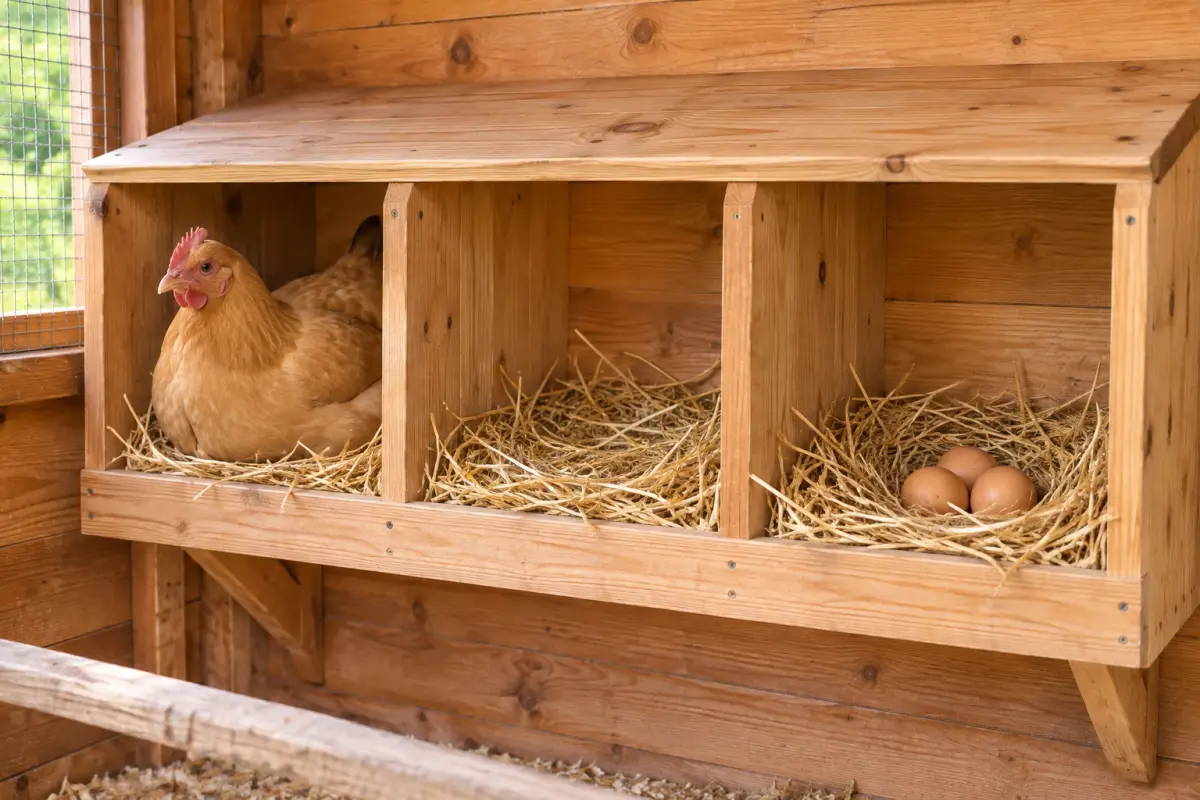
A broody hen persistently wants to sit on eggs, and she can show that behavior even without a rooster or fertile eggs. Broodiness is different from a guaranteed hatch and should not excuse poor intake or illness. Check that she continues eating and drinking, consider whether hatching is actually planned, and ask a poultry veterinarian about weakness, straining, weight loss, or other concerning changes.
By Matt GarnettUpdated November 11, 20264 min read4 sources
Recognize the pattern without assuming a diagnosis
University of Minnesota extension advice describes a hen repeatedly staying in a nest as likely broody: she wants to incubate eggs. The answer also explains why eggs from a flock without a rooster will not hatch. Persistent sitting can therefore continue without the outcome the owner expects.
Observe the whole bird rather than identifying broodiness from one visit to a nest. Record normal feed and water use, activity away from the nest, and whether she appears uncomfortable. If the behavior is accompanied by illness, ask a poultry veterinarian instead of assuming every quiet hen is simply determined to incubate.
Check essential resources and body condition
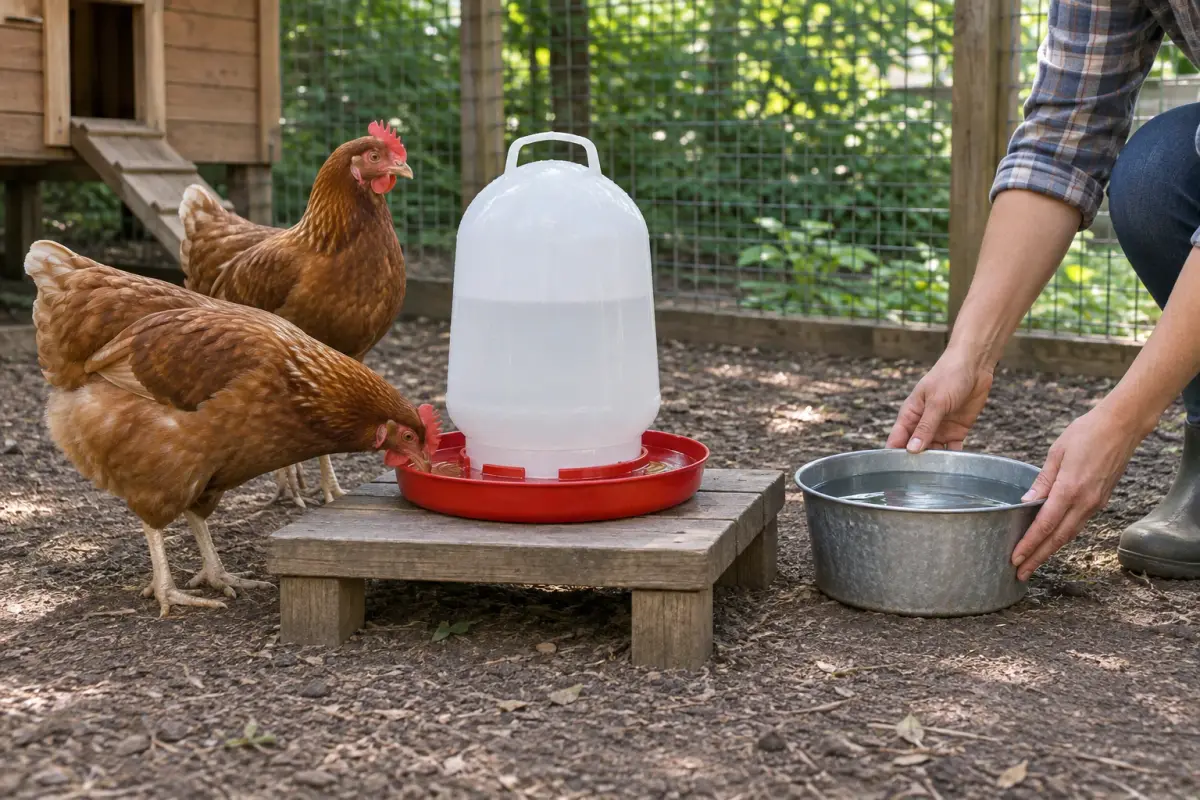
The extension response warns that prolonged sitting on infertile eggs can become a welfare concern when a hen does not eat adequately. Check actual access and intake rather than placing treats nearby and assuming the matter is solved. Appropriate balanced feed and clean water remain necessary throughout the behavior.
Keep observations consistent so declining condition is noticed early. Tell a poultry veterinarian if the hen is losing weight, eating poorly, or becoming weak. Do not force feed, give supplements, or withhold food and water as a way to alter broodiness. Ask for a care plan appropriate to the bird and situation.
Decide whether hatching is an appropriate plan
Broodiness alone is not a reason to acquire fertile eggs immediately. A successful hatch would create responsibility for chicks, their housing, feed, health, and eventual placement. Consider that commitment first, including the possibility of male birds and the need to keep young birds safe from the rest of the flock.
If you do plan to hatch, obtain advice from a poultry professional about the hen, eggs, facilities, and monitoring. Keep breeding plans separate from a need for medical care: an unwell bird still needs assessment. Do not use hoped-for chicks as an explanation for persistent deterioration in the sitting hen.
Use calm management rather than punitive methods
An Ask Extension response suggests changing nesting arrangements as one way to interrupt the behavior. Discuss a humane plan with a poultry professional that preserves suitable resting conditions, essential resources, and protection from the rest of the group. A management change should not create a new welfare problem.
Do not use cold-water dunking, rough handling, prolonged deprivation, or an uncomfortable enclosure to force the bird to stop. Repeatedly disturbing her without a clear plan may make care harder to monitor. Ask for help when the behavior persists and the household cannot maintain intake, comfort, and reliable checks.
Keep nesting changes from disrupting the whole flock
Check whether a persistent nest occupant prevents other hens from using suitable laying areas. Poultry extension identifies space and management among contributors to normal laying performance. Maintain clean, accessible alternatives instead of allowing hens to crowd around one occupied box or lay in places that are hard to inspect.
Review the Chicken Coops and Chicken Runs collections against practical separation, nest access, and daily observation. Any temporary arrangement still needs ventilation, security, and appropriate resources. Plan how care will continue if the broody period lasts longer than expected or a helper takes over the routine.
Know which signs need prompt veterinary attention
Merck explains that backyard poultry may hide illness and that changes in food intake, activity, droppings, or movement can be significant. A hen that sits and also seems weak or uncomfortable needs more than a label of broodiness. Contact a poultry veterinarian promptly about persistent poor intake or unexplained decline.
Straining, protruding tissue, marked weakness, collapse, or breathing difficulty warrants urgent veterinary advice. Do not press on the abdomen or attempt to remove a suspected egg. Give the clinic the timing of sitting behavior, laying history, actual intake, and any other changes so the assessment addresses the bird rather than an assumed explanation.
This page is general information, not veterinary advice, and it cannot replace advice from a veterinarian who treats poultry.
Common questions
Can a hen become broody without a rooster?
Yes. A hen can want to incubate eggs even when no rooster is present. The behavior does not make unfertilized eggs capable of hatching, so monitor her health rather than waiting indefinitely.
Should I get fertile eggs whenever a hen is broody?
Only after deciding that hatching is appropriate and that you can care for the chicks, including possible males. Obtain poultry guidance about the setup and do not use hatching plans to delay assessment of an unwell hen.
Should I withhold food to stop broodiness?
No. A broody hen still needs appropriate feed, clean water, and monitoring. Obtain a humane management plan rather than using deprivation, cold-water dunking, rough handling, or uncomfortable confinement.
When might sitting in the nest be an urgent problem?
Straining, protruding tissue, marked weakness, collapse, or breathing difficulty needs urgent veterinary advice. Persistent poor appetite or declining condition also deserves prompt assessment rather than assuming the hen is only broody.
Sources we checked
This guide is general information, not veterinary advice. If your pet is unwell or injured, contact your veterinarian.


