Buying guides
Best Natural Cat Litter: Types Compared Honestly
The best natural cat litter is the one your cat keeps using, and most cats prefer a fine, unscented, clumping texture about 1 to 2 inches deep. That favors clumping corn, wheat, grass seed, tofu and fine walnut litters over large pellets. Pine and paper pellets control odor and dust well but feel coarse, so they suit cats that accept them. Switch gradually, whatever you choose.
By Matt GarnettUpdated November 13, 20265 min read3 sources
What matters most in a natural litter
Start with your cat, not the label. Cornell Feline Health Center notes that most cats prefer unscented, finer-textured litter about one to two inches deep, and the ASPCA adds that most cats prefer clumping, unscented litter and may favor whatever they used as a kitten. A plant-based litter that ignores those preferences can lead to a cat going elsewhere, which costs far more in cleaning than any bag of litter saves.
After acceptance come the practical points: how well it clumps, how it handles odor, how much dust and tracking it produces, how heavy the bag is, and how you will dispose of it. Our natural cat litter page groups the plant-based types together; this guide explains how each one behaves so you can match it to your cat and home.
The main natural litter types compared
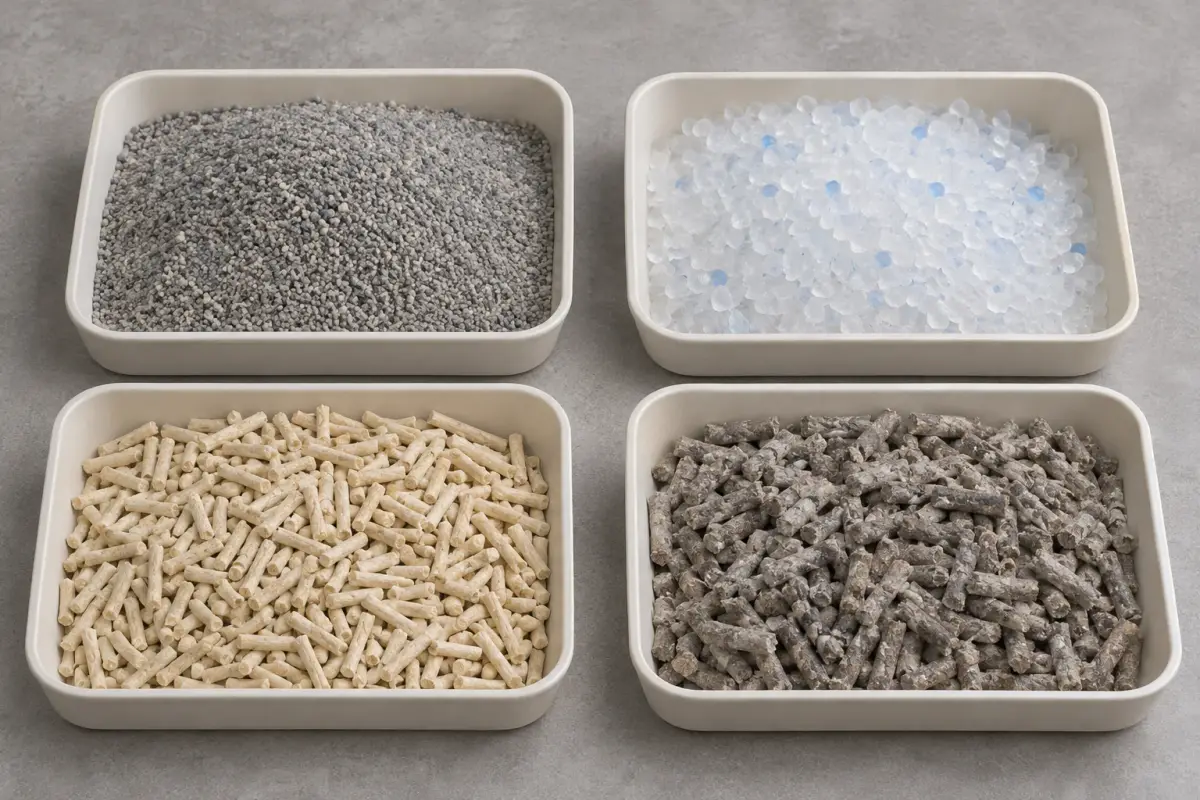
Pine comes as pellets or as a finer clumping version. Pellets absorb urine and break down into sawdust, with a natural wood smell that hides odor well and very little dust; many cats dislike the coarse feel. Paper pellets, made from recycled paper, are soft-ish, almost dust-free and unscented, but do not clump and hold odor less well. Corn and wheat litters clump firmly and feel close to clay underfoot, which most cats accept easily.
Walnut shell litter is dark, heavy-feeling and good with odor, with a granule size that ranges from fine to coarse. Grass seed litter is light, fine and clumping, and tends to track a little. Tofu litter, made from soybean or pea fiber, forms small hard clumps, produces little dust and is light to carry. None of these is the best for every cat; the fine clumping types simply suit the most cats.
Best type for each situation
For a cat switching from clay, choose a fine clumping corn, wheat, grass seed or tofu litter, because the texture is closest to what the cat already knows. For a multi-cat home, firm clumping and strong odor control matter most, so wheat, corn or walnut litters suit. For dust-sensitive people or cats, tofu and paper are the lowest-dust options, and pine pellets are close behind.
Pine pellets suit owners who want the cheapest odor control and have a cat that accepts them; they work best in a sifting box that lets sawdust fall through. After surgery, or for a cat with a wound, your vet may ask for paper pellets, which do not stick to stitches. Kittens that still taste everything are better on a non-clumping paper litter until they stop eating it.
What to avoid
Avoid heavily scented litters, natural or not. Both Cornell and the ASPCA say most cats prefer unscented litter, and a strong fragrance can push a cat out of the box. Avoid switching overnight: Cornell suggests changing gradually by mixing small amounts of the new litter into the old. Avoid filling the box too deep, since the ASPCA notes most cats like one to two inches rather than three or four.
Be careful with flushing and composting. Cat feces can carry the Toxoplasma parasite, and Cornell explains that its eggs become infectious one to five days after they are passed, which is one reason to scoop daily. Bagging used litter with household trash is the safer default; never put used cat litter on a vegetable garden, and check your local guidance before flushing any litter, even one sold as flushable.
Tracking, mats and the box
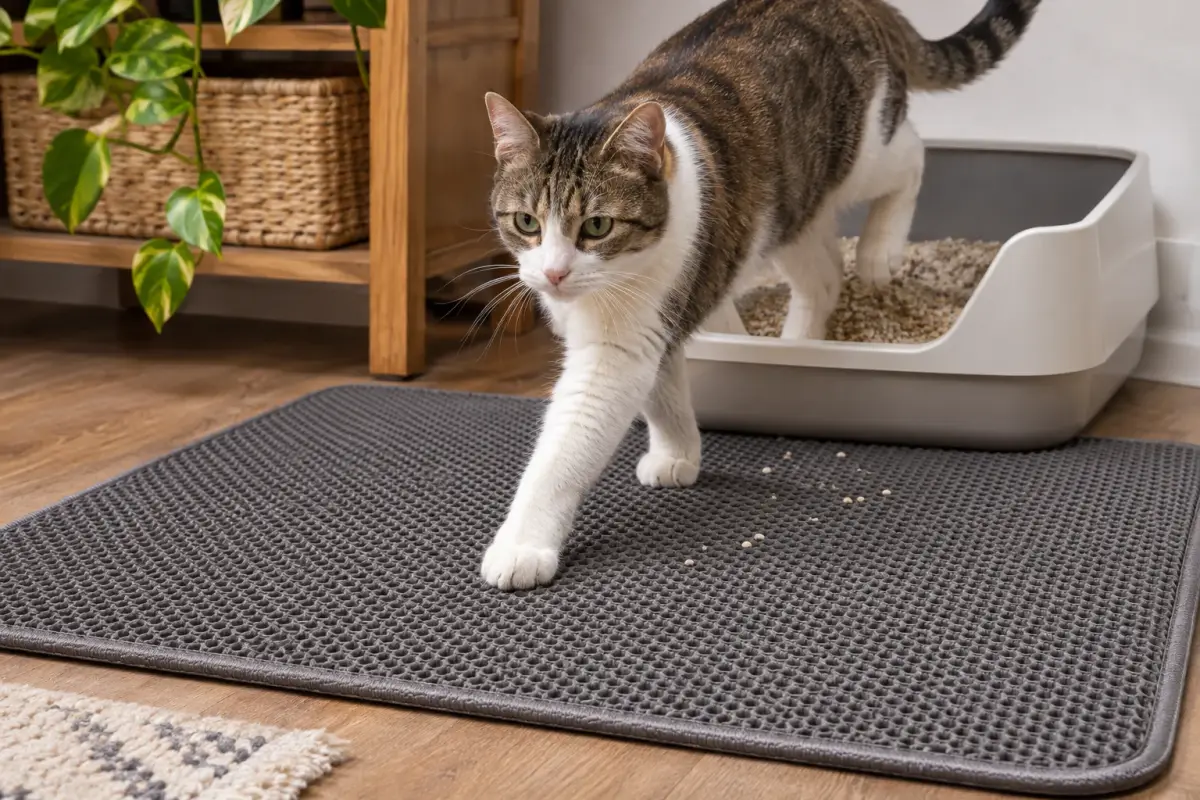
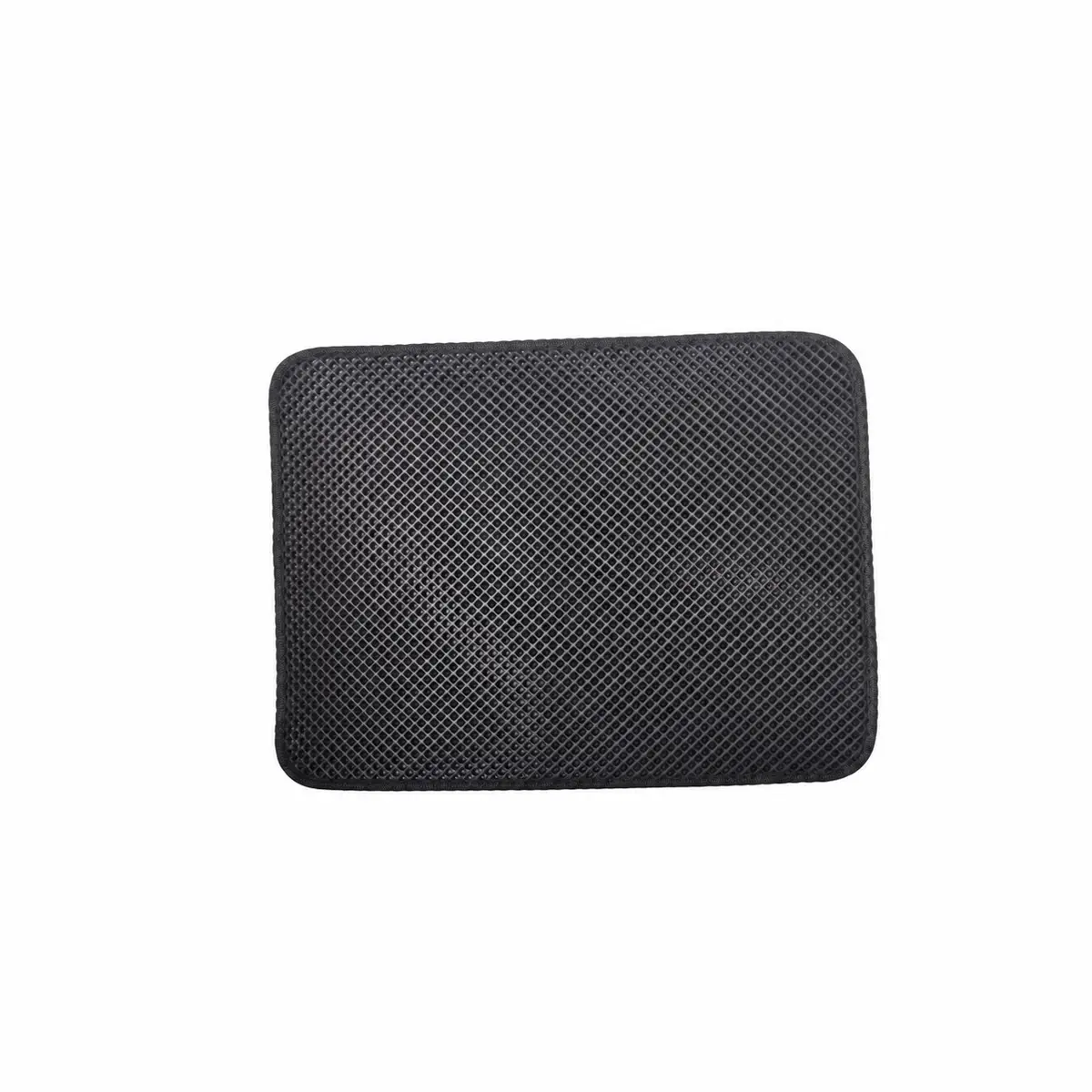
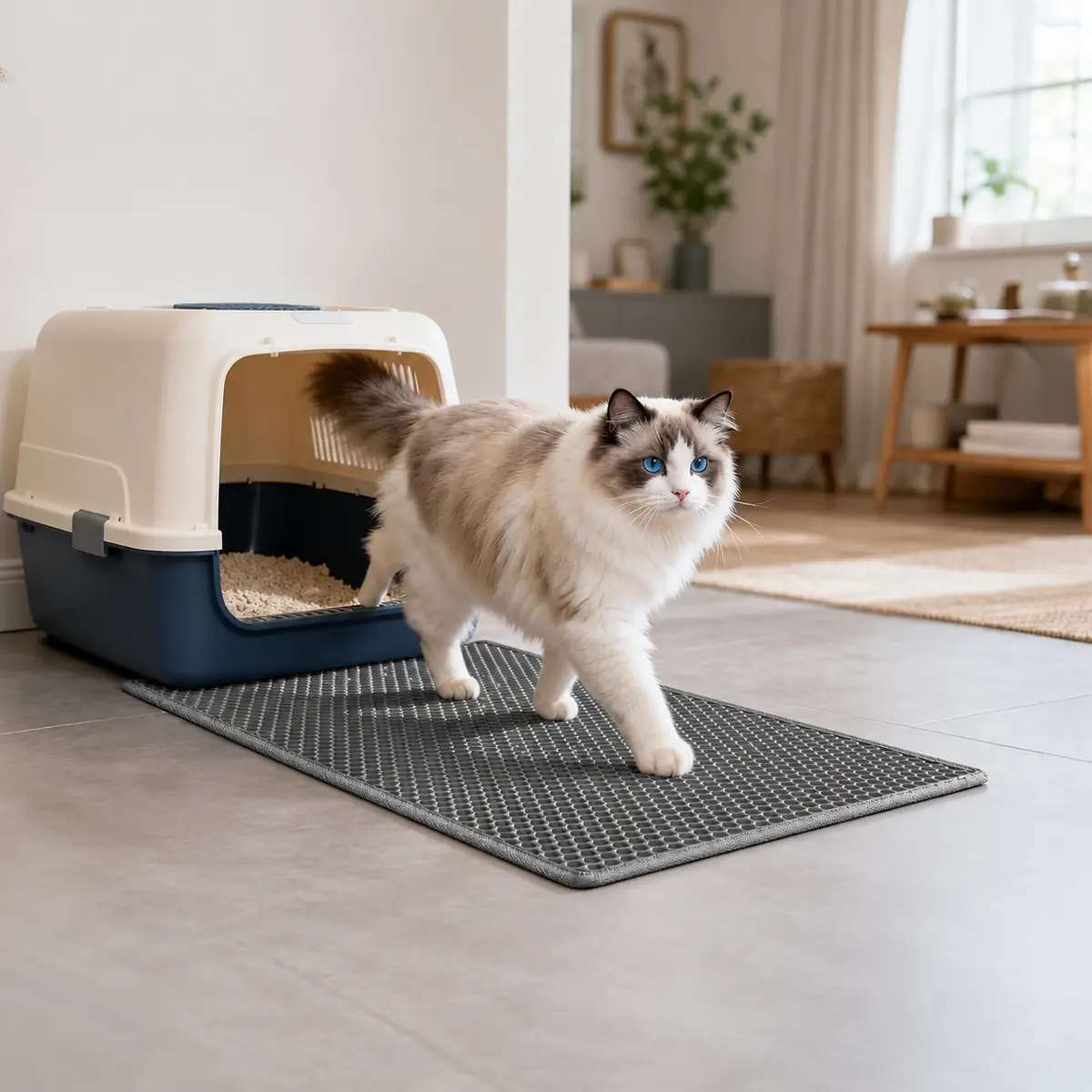
Light plant litters, especially grass seed, corn and tofu, travel on paws more than heavy clay. A mat outside the box catches most of it. A double-layer litter mat with a filter top lets granules drop through the holes into a lower layer you empty, and a washable double-layer EVA litter mat can be rinsed when it gets dusty. A claw-shaped litter mat covers a smaller footprint by a single entry.
The box matters as much as the litter. Cornell notes that larger cats need bigger boxes, kittens and older cats need low sides, and most cats prefer an uncovered box. Pellet litters work best in a sifting box; clumping plant litters work in any standard box. For more ways to stop scatter, see our litter mats.
How much to use, storage and when to call the vet
Pour one to two inches, scoop at least once a day, and top up as you go. Store plant-based litter sealed and dry, because grain and fiber litters can spoil if they get damp. Keep one box per cat plus one, as Cornell advises, so a fussy cat always has a clean option.
A change of litter should never coincide with a change in your cat's health. If your cat strains in the box, passes urine often in small amounts, has blood in the urine, or starts going outside the box, call your vet; Cornell lists urinary tract inflammation among the medical causes of house soiling, so do not wait to see whether it passes. When the litter question is settled, browse natural cat litter types and the mats that suit them.
This page is general information, not veterinary advice, and it cannot replace an examination by the vet who knows your pet.
Common questions
What is the most natural cat litter?
Litters made from a single plant material, such as pine, wheat, corn, grass seed, walnut shell, soybean fiber or recycled paper, are all natural. Which suits your cat depends on texture and clumping, not on the label.
Is pine litter good for cats?
Many cats use pine pellets happily, and pine controls odor with very little dust. Some cats dislike the coarse feel, so mix it gradually with their old litter and watch that they keep using the box.
Is tofu cat litter better than clay?
Tofu litter is lighter, low in dust and forms small firm clumps, which suits many homes. Clay remains familiar to most cats. If you switch, do it gradually over a week or two.
Can you flush natural cat litter?
Some plant litters are sold as flushable, but cat feces can carry the Toxoplasma parasite. Bagging used litter with household trash is the safer choice; check local guidance before flushing anything.
Which natural litter is best for odor control?
Pine, walnut and wheat litters handle odor well, and firm clumping helps because waste comes out whole. Daily scooping and an uncovered box in a ventilated spot matter more than the material.
Sources we checked
This guide is general information, not veterinary advice. If your pet is unwell or injured, contact your veterinarian.