






Buying guides
Best Large Dog Backpacks: How to Choose and Fit One
The best backpack for a large dog fits snugly without shifting, spreads the load evenly across both sides, and carries very little. The AKC says the pack and everything inside it should stay at or under 10 percent of your dog's body weight, so a 70-pound dog carries 7 pounds at most. Choose for fit and padding first, pockets second, and build the load up slowly.
By Matt GarnettUpdated November 14, 20265 min read2 sources
What matters most in a large dog backpack
Three things decide whether a pack works for a big dog: fit, weight, and balance. A pack that slides, rubs behind the front legs or hangs lopsided is uncomfortable at any load, and it changes how your dog moves. When you browse our dog hiking backpacks, start by comparing adjustable straps and padding, because the same pack can fit a lean Lab and sit badly on a deep-chested Rottweiler.
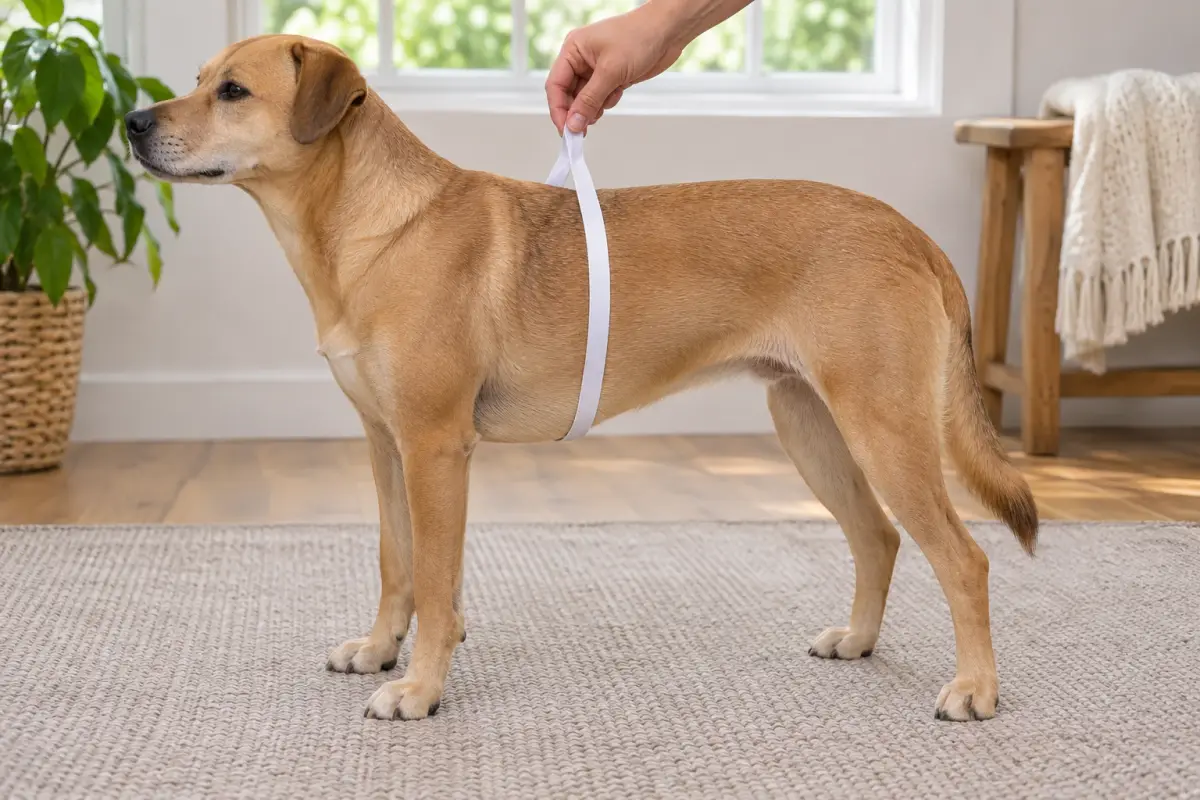
The AKC's fit check is simple. The straps should be snug enough that the pack does not shift or slip off, but not so tight that they cause chafing, and you should be able to slide one or two fingers under each strap. The pack should sit evenly on both sides of the body. Measure your dog's ribcage with a soft tape and compare it to the maker's size chart rather than guessing from breed or weight alone.
How much weight a large dog can carry
The AKC states that the total weight of the pack and its contents should be no more than 10 percent of a healthy, well-conditioned dog's body weight. The pack itself counts. For a 50-pound dog that is 5 pounds in total, for a 70-pound dog 7 pounds, and for a 90-pound dog 9 pounds. A bulky empty pack that weighs a couple of pounds uses up a real share of that limit, so a lightweight design matters more than a lot of pockets.
Some pack makers quote higher figures for athletic dogs, but the AKC says your vet can tell you whether your dog can handle more based on breed and fitness. Until you have had that conversation, treat 10 percent as the ceiling, not the target. A big dog that looks strong may still have hips, elbows or a spine that cannot take extra load.
Pack types compared
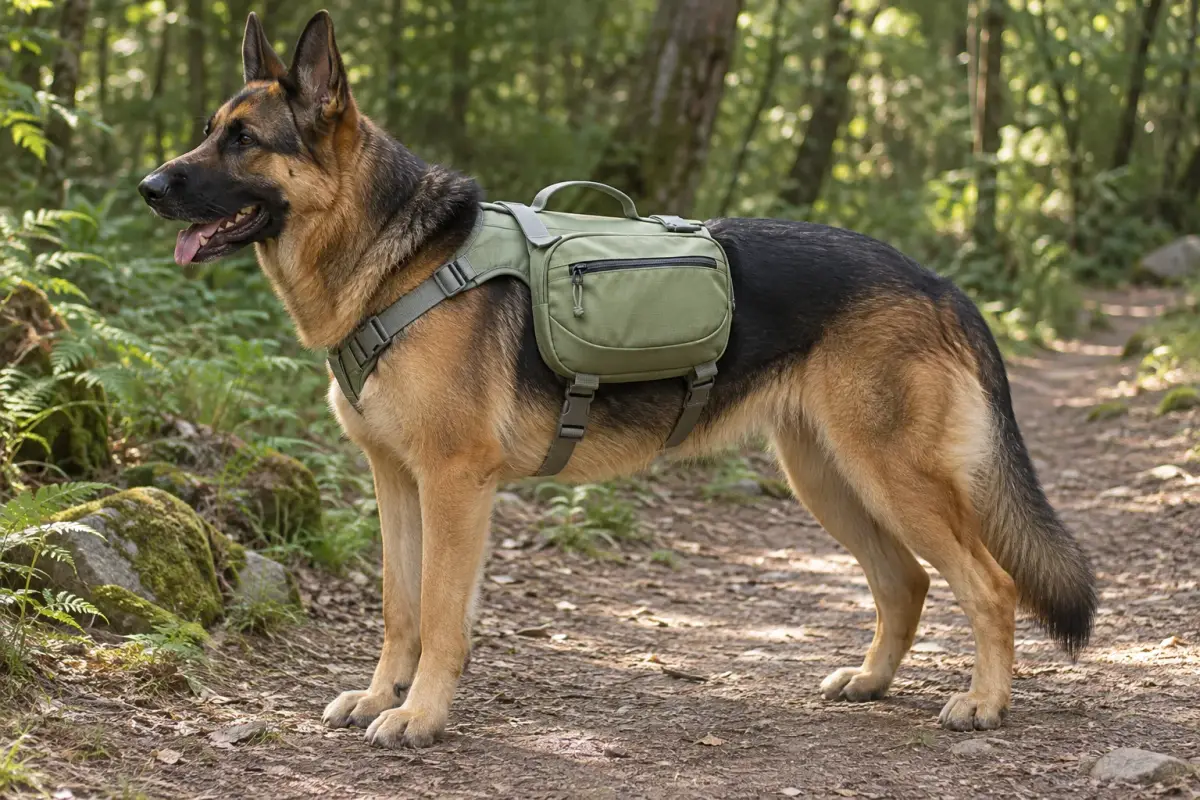
Saddlebag-style packs put a pouch on each side of the dog's back, joined by a strap over the shoulders. They offer the most room for water, bags and a collapsible bowl, and the two pouches make it easy to balance the load, as in our saddlebag-style dog hiking backpack. The risk is overloading, because there is space to carry more than your dog should.
Vest-style packs combine a harness with small side pockets, such as this backpack vest harness for dogs. They sit closer to the body, spread pressure over the chest, and suit shorter outings with light gear. A general-purpose dog hiking pack sits between the two. Wearable carriers that hold the dog inside are a different product made for small dogs, covered in our guide to dog backpack carriers.
Best type for each situation
For a day hike with your own water and snacks, a saddlebag or standard hiking pack lets your dog carry a collapsible bowl, waste bags and a few treats well inside the weight limit. For everyday neighborhood walks, a vest-style pack with a handful of light items is plenty, and an empty one is fine if your dog simply enjoys wearing it.
Some dogs should not carry weight at all. The AKC says puppies that are still growing and senior dogs with problems such as arthritis should wear an empty pack or none. Overweight or out-of-shape dogs should wait until they reach a healthier weight and fitness level, and dogs with back problems, hip or elbow dysplasia, heart conditions or breathing problems need a talk with a vet first.
What to avoid
Avoid packs with thin straps that dig in, a single strap that crosses the throat, or buckles that sit on the spine or under the armpit where they rub. Avoid any pack that cannot be adjusted on both sides, because a fixed fit rarely suits a big dog's proportions.
Do not pack heavy or dense items such as full water bottles on one side only. The AKC warns that uneven loads can throw off your dog's gait and cause discomfort. Keep sharp objects, such as car keys, out of the pack, and never treat the biggest size on the shelf as proof your dog can carry a big load.
Fitting the pack and building up the load
Introduce the pack the way the AKC describes. Let your dog sniff it, drape it on loosely without fastening, and reward calm behavior. Once your dog looks forward to it, clip the buckles and reward before removing it, then tighten the straps a little more on each repeat. Keep the first several walks short, upbeat and completely empty.
Add weight slowly, starting light, and go back to a few short walks after every increase. Dried beans or rice are handy for fine-tuning the load, because you can split them evenly between the two sides. On hot days the AKC suggests frozen water bottles or cooling packs inside the pack to help your dog stay cool. If you want a harness for the trail instead, see our dog hiking harnesses, or read hiking and camping with dogs.
Checking in with your vet
Ask your vet before putting a pack on any dog, especially a large breed prone to hip or elbow problems. A vet can look at your dog's joints, weight and fitness and say how much, if anything, is sensible to carry. Watch for limping, reluctance to move, or chafing after a walk, and stop using the pack if you see them.
When you are ready to choose, our large dog hiking backpacks are the place to compare styles, and a vest-style pack is worth a look if you also need a harness.
This page is general information, not veterinary advice, and it cannot replace an examination by the vet who knows your pet.
Dog-worn packs and carried-dog bags
| Format | Where storage or support sits | Verify before choosing |
|---|---|---|
| Saddlebag | Pouches on opposite sides of the dog | Pouch dimensions,adjustment and load instructions |
| Vest pack | Smaller pockets on a harness body | Pocket size and harness fit |
| Twin-pocket hiking pack | Two attached storage sections | Strap layout and compartment sizes |
| Carrier backpack | The dog rides inside a human-worn bag | Usable interior and carrier capacity |
Common questions
How much weight can a large dog carry in a backpack?
The AKC says the pack plus its contents should be no more than 10 percent of a healthy, well-conditioned dog's body weight. For a 70-pound dog that is 7 pounds in total, including the pack itself.
How do I know a dog backpack fits properly?
Straps should be snug enough that the pack does not shift or slip, with room for one or two fingers under each strap, and the pack should sit evenly on both sides of the body without rubbing or chafing.
Can a puppy wear a dog backpack?
The AKC says puppies that are still growing should wear an empty pack or none at all. Adding weight to a growing dog is not advised, so ask your vet before using any pack with a young dog.
What should I put in my dog's backpack?
Light, useful items such as a collapsible water bowl, waste bags and a few treats work well. Split them evenly between both sides and keep sharp objects, such as keys, out of the pack.
Should my dog wear a backpack every walk?
Not necessarily. Many dogs are happy in an empty or lightly loaded pack for short walks, and a heavier load suits only occasional hikes once your dog is conditioned and your vet agrees.
Sources we checked
This guide is general information, not veterinary advice. If your pet is unwell or injured, contact your veterinarian.


