Buying guides
Best Heated Cat Bed: How to Choose a Safe, Warm One
The best heated cat bed is either a self-warming bed that reflects the cat's own heat, or a low-wattage electric bed that warms only slightly above body temperature, with a chew-resistant cord and an unheated area the cat can move to. For outdoor or community cats, choose a pad rated for outdoor use inside an insulated shelter.
By Matt GarnettUpdated November 14, 20263 min read3 sources
Which cats benefit from a heated bed
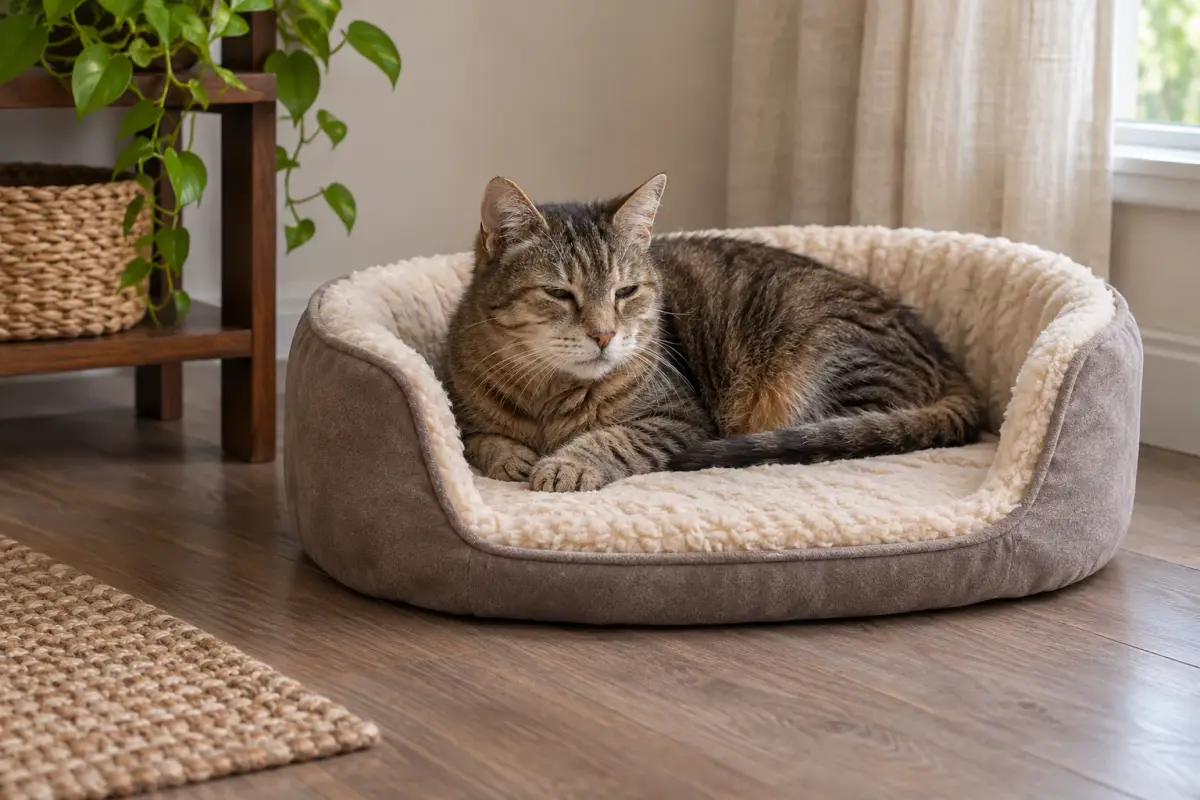
Cats seek warmth, but some benefit more than others: seniors, cats with stiff joints, thin or hairless cats, cats recovering from illness, and cats in cold homes or garages. Cornell Feline Health Center notes that senior cats often have special needs, and a warm, easy-to-reach bed is a simple comfort for an older cat.
Outdoor and community cats face real cold. The ASPCA warns that if it is too cold for you, it is probably too cold for your pet, and outdoor cats need shelter. A heated pad inside an insulated, weatherproof shelter can make a real difference in winter. Browse heated cat beds for indoor cats.
Self-warming vs electric heated beds
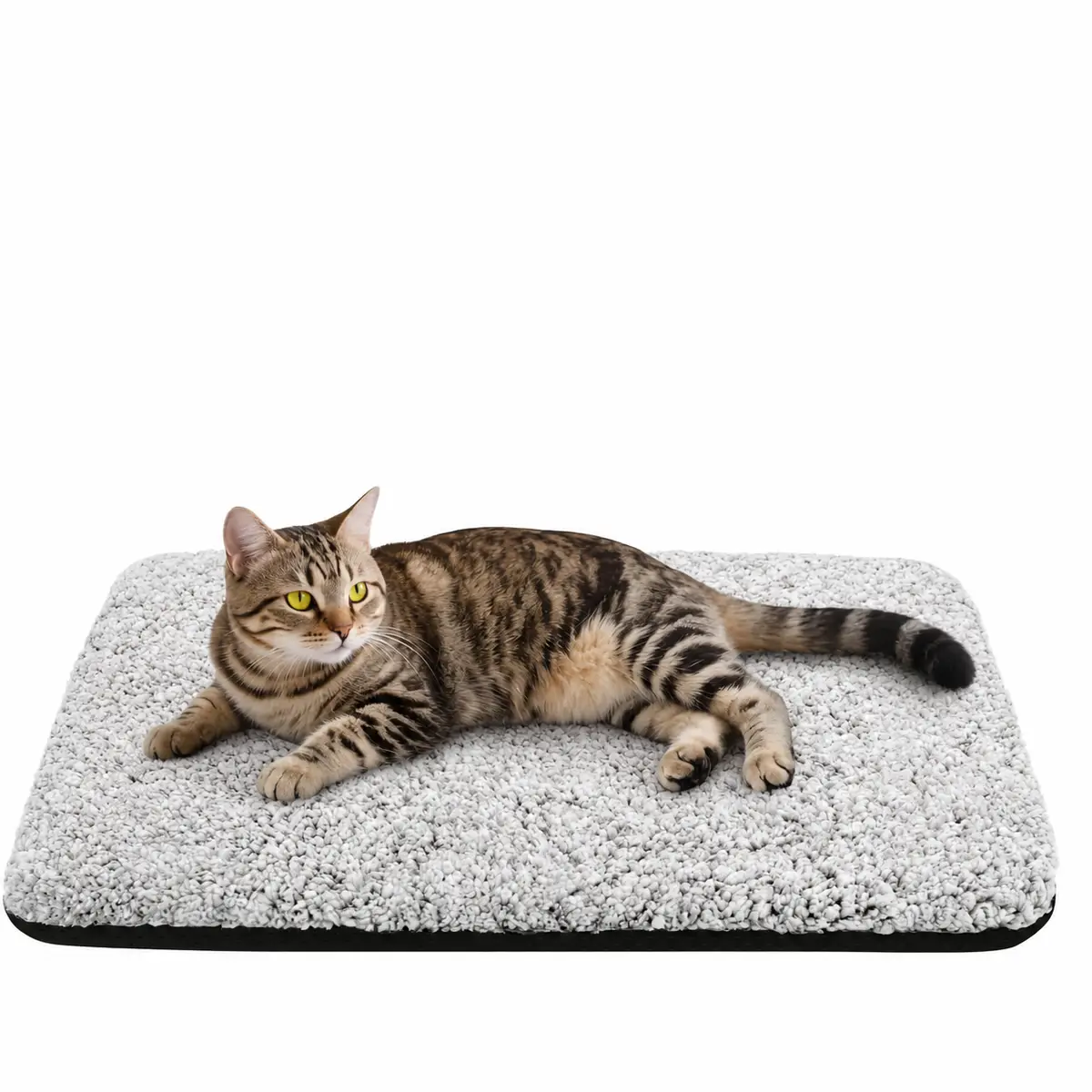
Self-warming beds have a reflective or insulating layer, often a thin metallic film, that returns the cat's own body heat. They need no power, carry no electrical risk and suit most healthy indoor cats. They are less useful for very thin, sick or elderly cats that produce less heat.
Electric heated beds and pads warm gently with low wattage. Look for one that warms only slightly above a cat's body temperature, rather than hot to the touch, ideally with a thermostat or automatic shut-off. Choose a pad with an unheated border or a bed large enough that the cat can move off the warm area.
Safety features that matter
Cord protection comes first, because cats and other pets chew. Look for a steel-wrapped or chew-resistant cord and route it out of reach. Avoid human heating pads and electric blankets, which can get far hotter than a pet bed and are not designed to be lain on for hours.
Choose a bed with a removable, washable cover and a sealed pad. The AKC's advice on heated dog beds applies to cats too: use pet-specific products, check cords regularly and supervise pets that chew. Outdoors, use only pads rated for outdoor use, and keep them dry.
The best type for each cat
For a healthy indoor cat in a cool home, a self-warming bed is usually enough. For a senior or arthritic cat, a low-wattage heated bed with a low entry and a soft, supportive base. For a thin, hairless or recovering cat, a thermostat-controlled heated pad under a blanket.
For outdoor or barn cats, a heated pad rated for outdoor use inside an insulated shelter raised off the ground, with straw rather than blankets around it, since straw stays drier. If you would rather buy the shelter ready-made, see outdoor cat houses, including an insulated outdoor cat house and a foldable waterproof cat house. For a cat that cannot move easily, check the bed often so it never overheats.
Care, placement and when to call your vet
Place the bed away from drafts and where the cat already likes to sleep. Wash the cover regularly, unplug the pad before cleaning, and inspect the cord and pad for damage each week. Replace any pad that has been chewed, is frayed or heats unevenly. A new one can come from heated cat beds, or choose a plain cat bed if your cat no longer needs the warmth.
A cat that suddenly seeks heat constantly, seems stiff, loses weight or sleeps much more than usual may be unwell, so mention it to your vet rather than simply adding warmth.
This page is general information, not veterinary advice, and it cannot replace an examination by the vet who knows your pet.
Common questions
Are heated cat beds safe?
Pet-specific heated beds are generally safe when they use low wattage, have a chew-resistant cord and let the cat move off the warm area. Avoid human heating pads and electric blankets.
Do self-warming cat beds work?
Yes, for most healthy indoor cats. A reflective layer returns the cat's own body heat. Very thin, elderly or unwell cats may need a gently heated electric bed instead.
What is the best heating pad for outdoor cats?
A pad rated for outdoor use, with a protected cord, placed inside an insulated, weatherproof shelter raised off the ground. Keep it dry and check it regularly.
Can I leave a heated cat bed on all the time?
Many low-wattage pet beds are designed for continuous use, but follow the maker's instructions, check the cord often and make sure your cat can always move to a cooler spot.
Sources we checked
This guide is general information, not veterinary advice. If your pet is unwell or injured, contact your veterinarian.