Care & how-to
Cat Hiding: Normal Privacy or a Change That Needs Help?
Cats may hide for ordinary rest, play, or a sense of safety, but new or increased hiding can also accompany fear, pain, or illness. Compare the pattern with what is normal for your cat and contact your veterinarian about a change. Offering a safe retreat can help, while ignoring changes in eating, movement, breathing, or litter box use can delay needed care.
By Matt GarnettUpdated November 14, 20263 min read4 sources
Understand hiding in the context of your cat’s day
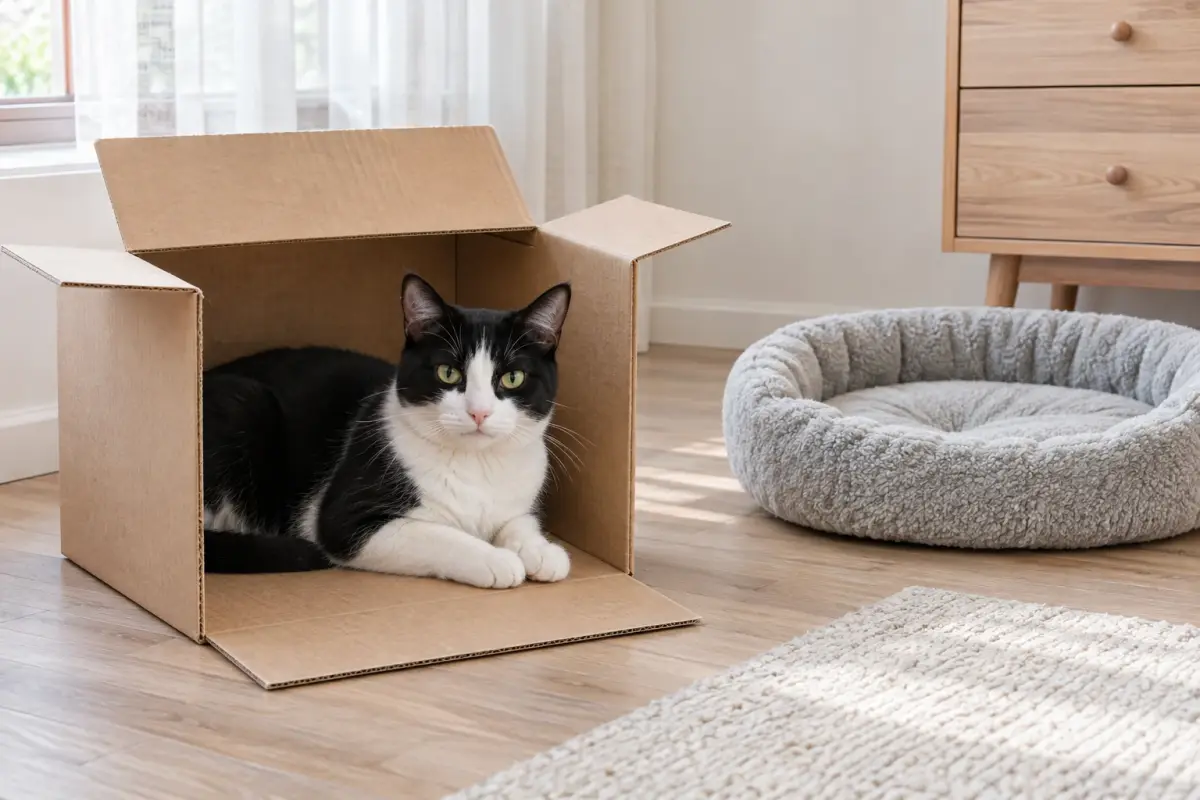
Hiding is part of normal feline behavior, whether a cat is finding a secure resting spot or waiting to pounce during play, and VCA notes that cat trees offer cats places to hide as well as climb and play. A cat choosing a familiar quiet place and later returning to its usual activities presents a different picture from a normally sociable cat that suddenly remains out of sight.
Observe the sequence without deciding the cat is being difficult. Note when it disappears, what was happening nearby, and how it behaves afterward. Is there a visitor, noise, unfamiliar animal, or change in routine? Such details can help a professional assess the situation, but an apparent trigger does not exclude a health problem. Consider both the surroundings and changes in the cat itself.
Ask your veterinarian about increased or unusual hiding
VCA notes that ill cats may become withdrawn and hide, and that sudden changes warrant veterinary attention. Look for differences in appetite, energy, coat care, movement, and litter box habits. Do not wait for an unmistakable sign of disease before calling about a new pattern.
Tell the clinic when the change began, whether you have seen the cat eat and drink, and what you know about urination and stool. Report any vomiting, difficulty moving, or other concerns. Explain what is unusual for this individual rather than simply saying it is shy. Ask how soon an examination is needed and how to bring the cat in with the least stress.
Provide a safe retreat and avoid forcing contact
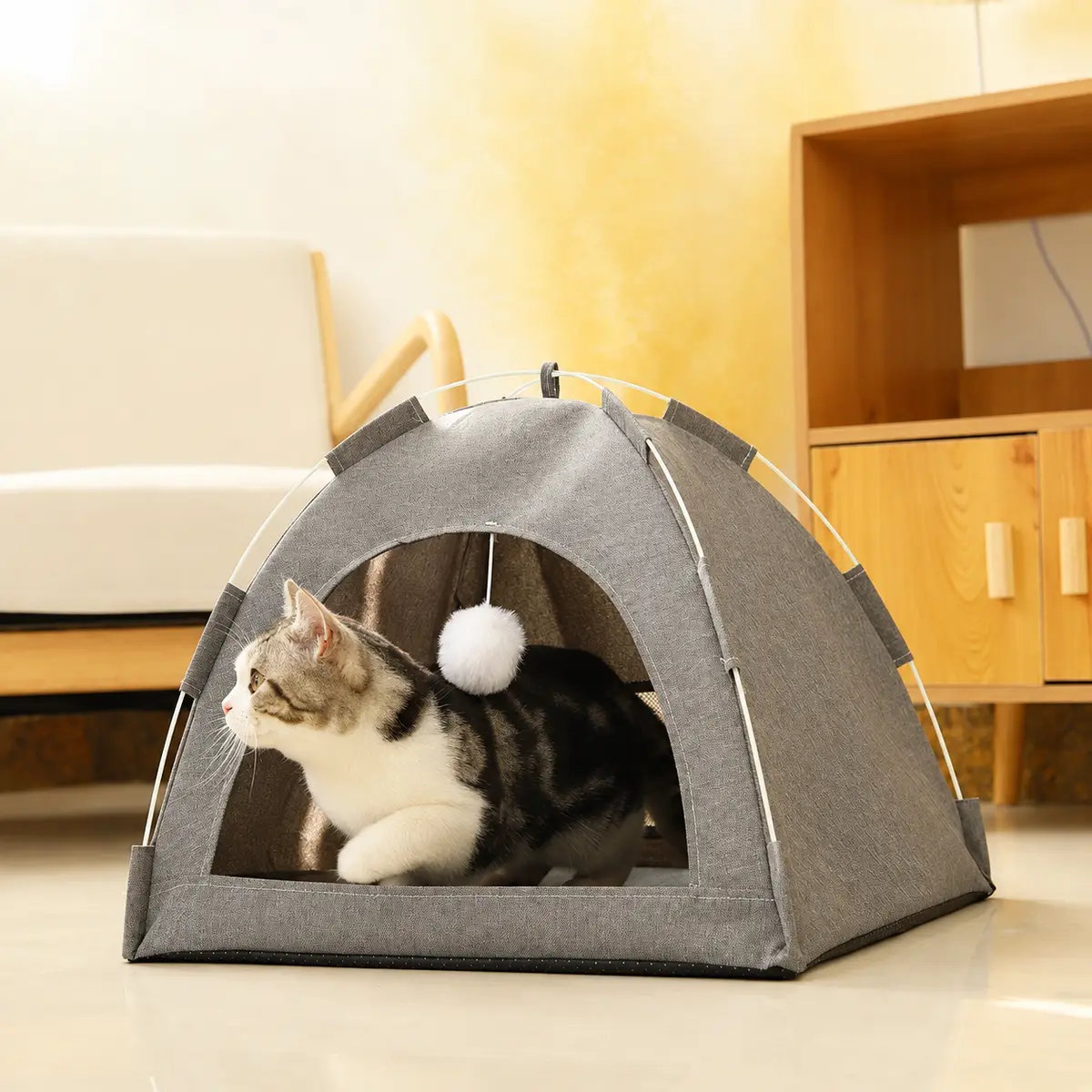
A quiet, covered hiding place, such as a cat cave bed, can give a cat somewhere predictable to retreat. VCA suggests a quiet room or cozy hideaway where a fearful cat can feel safe; make sure the cat can still reach essential resources outside the hiding spot. Think about whether the cat can enter and leave comfortably without being cornered.
VCA advises against forcing interaction with a fearful cat. Tell visitors and other caregivers to give it space, and limit exposure to an identified frightening situation while arranging appropriate advice. Avoid repeatedly reaching into the refuge or insisting it take attention. If the cat must be moved for veterinary care or immediate safety, call the clinic for an individual handling plan rather than turning the retreat into a confrontation.
Help a new or fearful cat adjust without overlooking illness
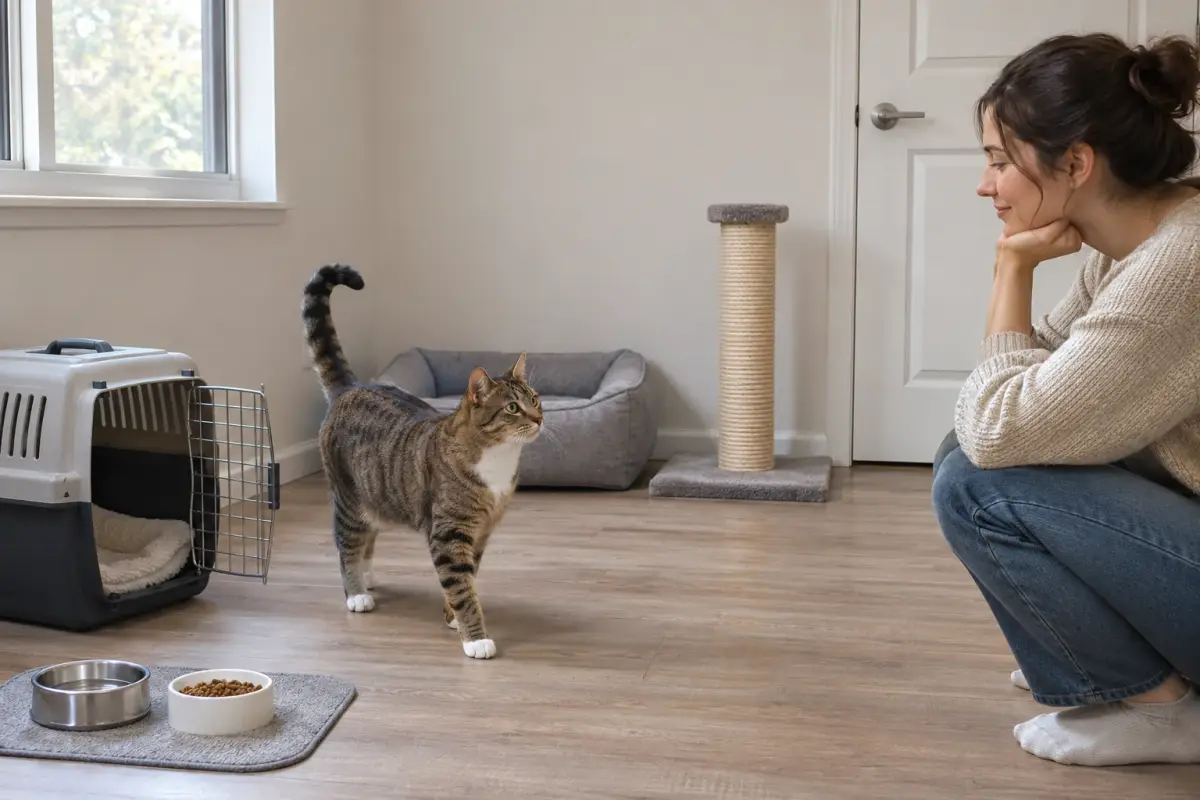
A new home can be unfamiliar even for a cat that seemed confident elsewhere. A quiet starting room with essential items, and time to adjust, helps. Ask the previous caregiver what the cat usually enjoys and how it behaves when comfortable, so you have a useful comparison. Putting a familiar cat bed in that quiet room gives a nervous cat somewhere known to settle.
Watch for gradual, voluntary exploration and keep notes about eating and litter box use. There is no need to repeatedly test confidence with visitors or handling. VCA describes physical and behavioral assessment as useful for fearful cats, particularly when a change is sudden. If the cat continues to hide or its needs are not being met, seek veterinary advice instead of assuming it only needs more time.
Know when space is not enough
Trouble breathing, severe pain, or unconsciousness requires immediate veterinary help; Merck identifies these as emergencies. If a cat is hidden and appears acutely unwell, call an emergency veterinarian for advice about safe access and transport. Avoid delaying help to see whether it comes out on its own.
For continuing fear after medical assessment, ask about a qualified veterinary behaviorist and an individual environmental plan. Discuss what progress should look like and when to reassess. The goal is a cat that can meet its daily needs and feel secure, with a retreat available by choice. Keep communicating when the pattern changes rather than treating every hidden hour as either harmless or proof of disease.
This page is general information, not veterinary advice, and it cannot replace an examination by the vet who knows your pet.
Common questions
Should I pull my cat out of hiding to reassure it?
Do not force ordinary social contact with a fearful cat. Give it a safe retreat and let it approach voluntarily. If care or immediate safety requires movement, ask the veterinary team for handling guidance.
Can hiding be an early sign of illness?
Yes. VCA notes that sick cats may withdraw and hide. A new or increasing pattern, especially with appetite, energy, movement, or litter box changes, deserves a veterinary conversation.
Is it normal for a new cat to hide?
A new environment can make a cat uncertain. Provide a quiet space and monitor its essential needs, but contact your veterinarian if it remains hidden or eating, drinking, or litter box use concerns you.
Sources we checked
This guide is general information, not veterinary advice. If your pet is unwell or injured, contact your veterinarian.