






Buying guides
Best Harness for Shiba Inus: How to Choose One That Fits
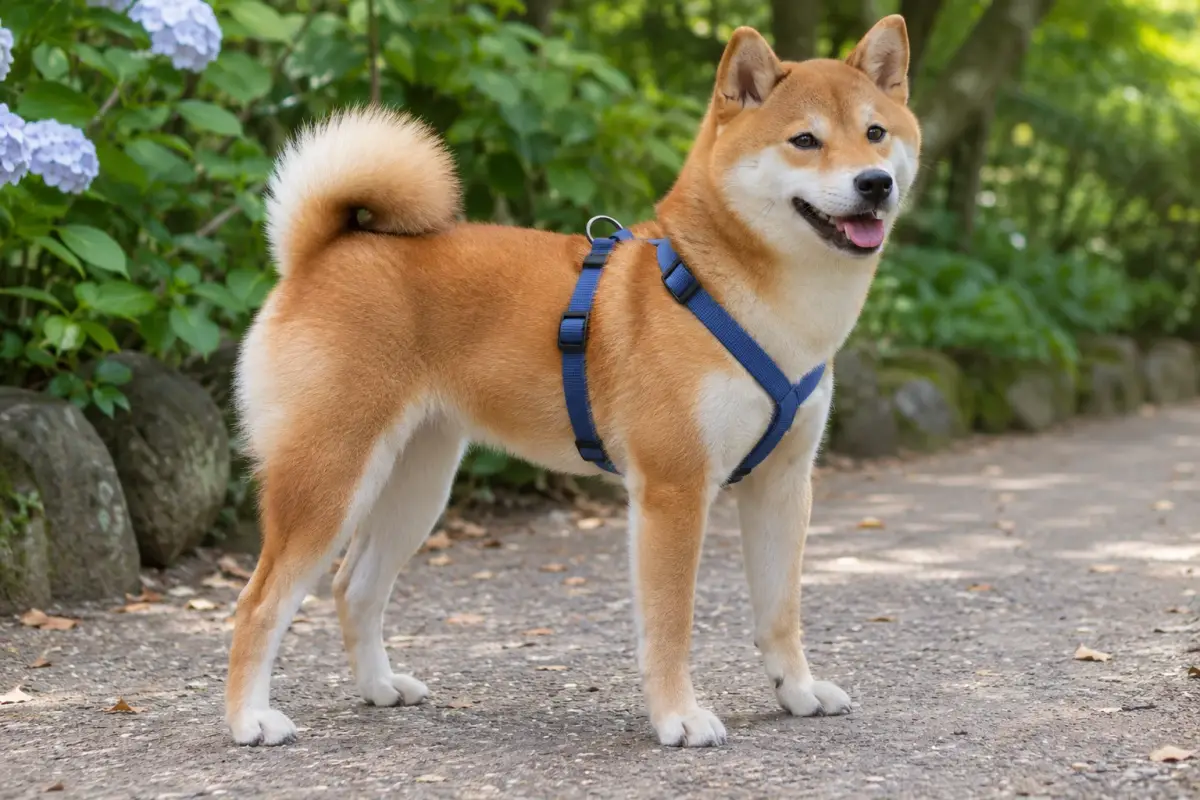
The best harness for a Shiba Inu is one it cannot back out of: adjustable at neck and chest, snug through a thick coat, and comfortable on a muscular, spirited dog. The AKC says step-in designs are harder to escape when they fit properly, and a back-up test at home confirms it. Browse our harnesses for Shiba Inus once you have two measurements.
By Matt GarnettUpdated November 13, 20264 min read3 sources
Why escape resistance comes first
The AKC describes the Shiba Inu as a spirited, well-muscled little dog, and an ancient Japanese breed once used as a hunter. A dog like that will test a harness the moment something interesting appears, so the first job of the fit is keeping the harness on. Most escapes happen when a loose harness slides forward over the head as the dog backs away.
The AKC suggests a simple check: back the dog up and see whether the harness slides over its head. Run it at home before the first walk and again after any grooming. Step-in designs avoid going over the head at all, and the AKC says they are harder to escape when they fit properly.
Measuring and sizing
Take two measurements, as the AKC advises: the neck where it meets the shoulders, and the widest part of the chest, typically just behind the front legs. Use a cloth tape or string held against a ruler. Pick the size from those figures and the maker's chart, not from a guess based on breed.
Start looser and tighten gradually. The AKC says you should be able to slip two fingers underneath without discomfort, though one veterinarian it quotes finds the common two-finger rule slightly too much, so aim for snug but not tight. Thick or fluffy coats may need tighter adjustments to stop slipping, so press the straps down through the fur and check the fit against the body.
Harness types compared
The AKC describes back-clip harnesses as suited to well-trained dogs, front-clip harnesses as often helpful for dogs that pull, and dual-clip designs as useful while teaching a dog to wear a harness. A dual-clip lets you start with the back ring and move to the front ring if pulling becomes a problem. A plain adjustable pet harness is the kind of design to look for.
Padded vests spread pressure over the chest but add warmth. Nylon is durable and affordable, mesh is breathable with less padding, and neoprene can retain heat. Harness-and-leash combinations, such as a harness with leash or a dog harness and leash set, cover both items, though the hardware should match your dog's strength.
Pulling, prey drive and leash handling
A harness will not train a dog that pulls, and a hunter's instincts do not switch off on a walk. Reward your dog for staying beside you, change direction when the leash goes tight, and keep a short, secure hold when you see small animals. See how to stop a dog pulling on the leash for the steps.
If pulling is a real problem, a front-clip design redirects forward movement, according to the AKC. Our no-pull dog harnesses collection covers that style. Check that nothing tightens across the throat or restricts the shoulders when your dog lunges, and keep a securely fastened ID tag on the harness or a light collar.
Weight, heat and when to see a vet
The AKC lists overweight dogs among those at increased risk of heatstroke, so keep your Shiba lean and recheck the harness as weight changes. Early signs include heavy panting, excessive drooling and bright red gums. Move your dog to a cool place, dampen the belly and thin-furred areas with tepid water, and avoid ice.
Go to a vet right away if the temperature reaches 104 degrees F, if it stays above 105 degrees F despite cooling, or if your dog collapses or has pale or bluish gums. Also see a vet if you find rubbing, hair loss or sore skin under the straps that does not settle after you adjust the fit.
What to avoid, and how to care for it
Avoid a harness that slides when your dog backs up, straps that restrict the shoulders, and any leash attached to a loose collar alone. Avoid leaving a harness on all day, since straps trap loose fur and rub. Avoid retractable leads, which let a strong dog hit the end at speed.
Wash according to the label and air dry. Replace the harness when stitching frays or a buckle cracks. For the wider choice see the best dog harness guide, how to put on a dog harness, and all harnesses for Shiba Inus.
This page is general information, not veterinary advice, and it cannot replace an examination by the vet who knows your pet.
Attachment and panel features compared
| Feature | Physical distinction | What to check |
|---|---|---|
| Back clip | Upper-back attachment | Panel position and body fit |
| Front clip | Chest attachment | Ring position and strap route |
| Dual clip | Both attachment positions | Each ring and adjustment point |
| Padded vest | A wider chest/body panel | Panel edges and leg clearance |
| Harness-and-leash set | Two walking components sold together | Actual contents and compatible hardware |
Common questions
What type of harness is hardest for a Shiba Inu to escape?
A well-fitted step-in or adjustable harness. The AKC says step-in designs are harder to escape when they fit properly. Always do the back-up test to confirm the harness does not slide over the head.
What size harness does a Shiba Inu need?
Measure the neck where it meets the shoulders and the widest part of the chest, then use the maker's chart. Press the straps down through the coat so the fit is judged against the body.
Should a Shiba Inu wear a front-clip harness?
Only if it pulls. The AKC says front-clip designs often help dogs that pull by redirecting forward movement. Otherwise a back-clip or dual-clip works, and loose-leash training matters more than the clip position.
Is a collar or a harness better for a Shiba Inu?
A harness spreads pressure across the chest and shoulders instead of the neck, according to the AKC. See our harness vs collar guide for how to decide, and keep ID tags on the collar.
Sources we checked
This guide is general information, not veterinary advice. If your pet is unwell or injured, contact your veterinarian.


