Buying guides
Best Front-Clip Dog Harness: How to Choose and Fit One
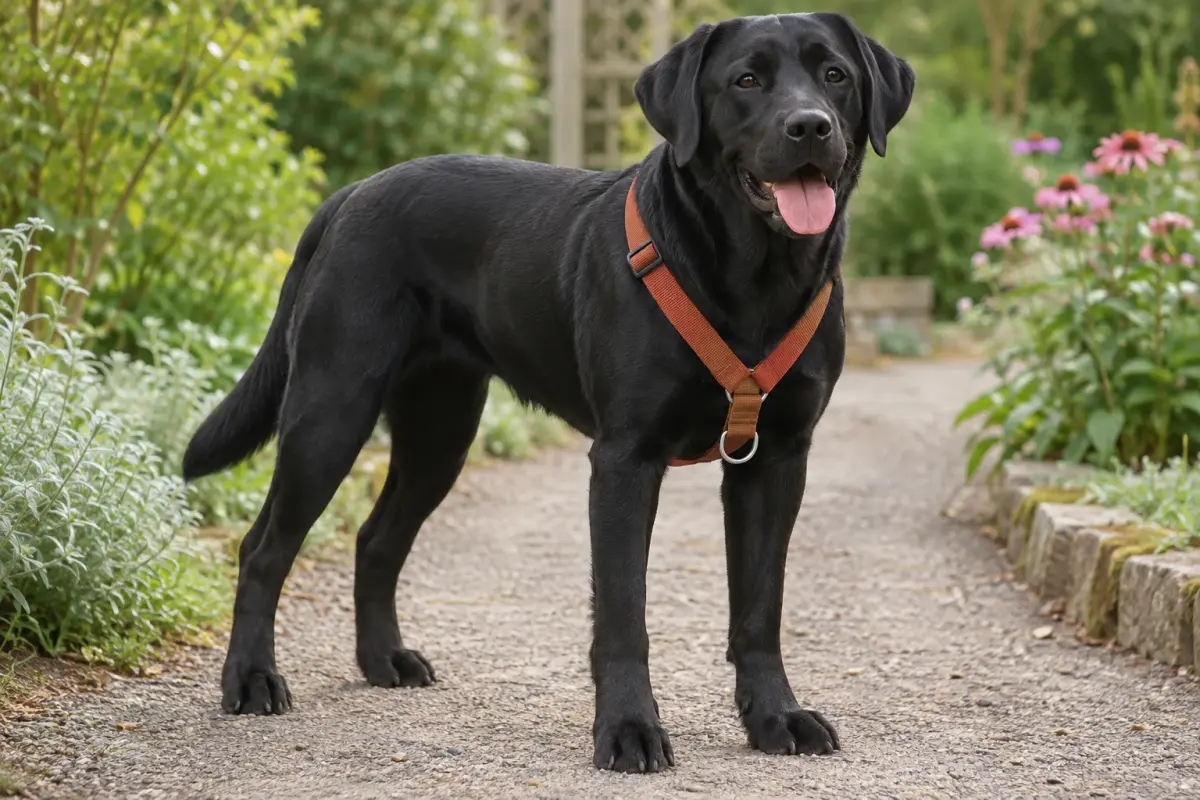
The best front attaching dog harness has a leash ring at the center of the chest, straps that adjust at the neck and chest, and a cut that stays clear of the shoulder joints. The front ring turns a pulling dog sideways instead of letting it lunge forward, which is why it suits strong pullers. Browse our front-clip dog harnesses once you have your dog's measurements.
By Matt GarnettUpdated November 14, 20265 min read2 sources
What a front-clip harness does and why it works
A front-clip harness attaches the leash to a ring on the chest rather than between the shoulder blades. The AKC notes that the front attachment redirects forward movement and may discourage pulling, and VCA Animal Hospitals explains that pressure on the front ring can be used to turn the dog away from a distraction or back toward you. When a dog lunges, it ends up angled sideways, so pulling stops paying off.
That makes a front-clip harness a training aid, not a magic fix. It works best alongside rewards for walking next to you, such as a treat when the leash goes slack. VCA is clear that the leash should never be snapped or jerked and that dogs do not need pain or discomfort to learn good manners. If you are comparing styles, our guide to the best no-pull dog harness sets front-clip designs beside the other options.
Front-clip, back-clip and dual-clip compared
The AKC describes the three main layouts. A front-clip harness often works well for dogs that pull, but the clip sits near the chest, so attaching the leash is a little less convenient. A back-clip harness, with the ring between the shoulder blades, is easy to clip on and suits well-trained dogs that already walk politely. A dual-clip harness has both rings, and the AKC says it is useful while you are teaching a dog to wear a harness.
If you are not sure, a dual-clip model is the flexible choice: you can start with the front ring on busy walks and switch to the back ring once your dog walks calmly. VCA also mentions that some front-clip designs add a second clip along the back, which is handy for hiking, and that attaching the lead to both clips gives extra control in an urgent moment. For a close look at the other styles, see no-pull dog harnesses.
Fit and sizing: where front-clip harnesses go wrong
Fit matters more with a front-clip harness than with most. VCA warns that some designs rest directly over the shoulder joints and restrict movement, and that an ill-fitting harness lets a dog back out. A well-fitted harness should not limit how the front legs move or rub behind the elbow. Watch your dog walk and trot: if the shoulders look restricted, try a different cut.
To size one, measure the base of the neck where it meets the shoulders and the widest part of the chest just behind the front legs, in inches, using a soft tape. Compare both to the size chart, and if your dog is between sizes, pick the one that adjusts at both neck and chest. The AKC suggests you start loose and tighten gradually until the harness is snug, and that you should be able to slide two fingers underneath. Our collar and harness size guide walks through the measuring step by step.
The best type for each dog
For a strong, large dog that pulls, look for wide, padded chest straps and a sturdy metal ring, plus a handle on the back for control in tight spots. A tactical no-pull harness with a front clip and handle is one example of that style. For a small dog, lighter mesh and thin straps are fine, but the front ring still needs to sit on the chest and not under the chin. For a deep-chested breed, choose a model with a chest strap adjustment that is separate from the neck.
For a puppy, pick a harness that adjusts widely, since a growing dog will outgrow a fixed fit within months. For a dog that backs out of everything, choose a design with a belly strap and four adjustment points. A padded model such as a padded no-pull dog harness keeps the straps from rubbing on dogs with short or thin coats. Match the design to your dog, not to the label.
What to avoid and how to use one safely
Avoid harnesses with thin, rope-like straps across the chest, buckles that dig in behind the legs, and any design where you cannot adjust both the neck and the chest. Avoid using the front ring for hard corrections: the point is to guide, not to yank. VCA advises that dogs should be supervised when wearing harnesses and that a front-clip harness should be removed when your dog is not directly supervised, since straps can catch on things.
Expect a short adjustment period. Let your dog wear the harness indoors with treats before the first walk, since VCA suggests making sure a dog has adjusted to a harness before walks or training. A front-clip leash can tangle around the front legs, so a leash that is a little longer and lightweight helps; browse dog leashes to match one. If pulling gets worse, or your dog seems sore or reluctant, stop using it and ask your vet or a trainer.
Materials, care and how long a harness lasts
The AKC lists the common materials: nylon is lightweight, durable and affordable but less breathable, mesh is breathable and light but less durable and padded, leather lasts but costs more and needs care, and neoprene suits swimming but holds heat and moisture. For daily walks in warm weather, mesh over a padded chest panel is a sensible compromise.
Wash the harness by hand or on a gentle cycle as the label says, let it air dry, and check stitching, buckles and the ring every few weeks. Replace it when straps fray or the fit changes, for example after weight gain or loss. When you are ready, compare front-clip dog harnesses against your dog's measurements.
Leash-ring positions
| Layout | Ring position | Check before choosing |
|---|---|---|
| Front clip | At the chest | Chest-ring position and strap path |
| Back clip | On the upper back | Ring position and adjustment |
| Dual clip | Front and back rings | Permitted leash arrangements and both ring attachments |
Common questions
Is a front-clip harness good for dogs that pull?
It often is. The AKC says a front attachment redirects forward movement and may discourage pulling, and VCA notes leash pressure on the front ring can turn a dog back toward you. It works best combined with rewarding a loose leash.
Is a front-clip harness better than a back-clip harness?
For a dog that pulls, usually yes, while a back-clip is easier for well-trained dogs. The AKC recommends back-clips for well-trained dogs and describes dual-clip models as useful while you are teaching a dog to wear a harness.
Can a front-clip harness hurt my dog's shoulders?
A badly fitted one can. VCA warns that some designs rest over the shoulder joints and restrict movement, so choose a cut that leaves the front legs free and check that nothing rubs behind the elbow.
What is the best front harness for dogs that pull?
The best one fits your dog's neck and chest, has a chest ring, and adjusts at several points. Padded, wide straps suit strong pullers, and dual-clip designs give you a back ring for calm walks.
Can my dog wear a front-clip harness all day?
It is better not to. VCA advises supervising dogs in harnesses and removing a front-clip harness when your dog is not directly supervised, because the straps can snag. Take it off at home after the walk.
Sources we checked
This guide is general information, not veterinary advice. If your pet is unwell or injured, contact your veterinarian.