






Buying guides
Best Food for Corgis: What to Look For
The best food for a corgi is a complete and balanced diet with an AAFCO statement for its life stage, fed in carefully measured portions. Corgis are herding dogs with big appetites on a long back and short legs, so keeping them lean is the single most useful thing you can do with food. Choose a maker that meets the WSAVA's questions, and let body condition, not the bag, set the portion.
By Matt GarnettUpdated November 14, 20263 min read3 sources
What matters most for a corgi
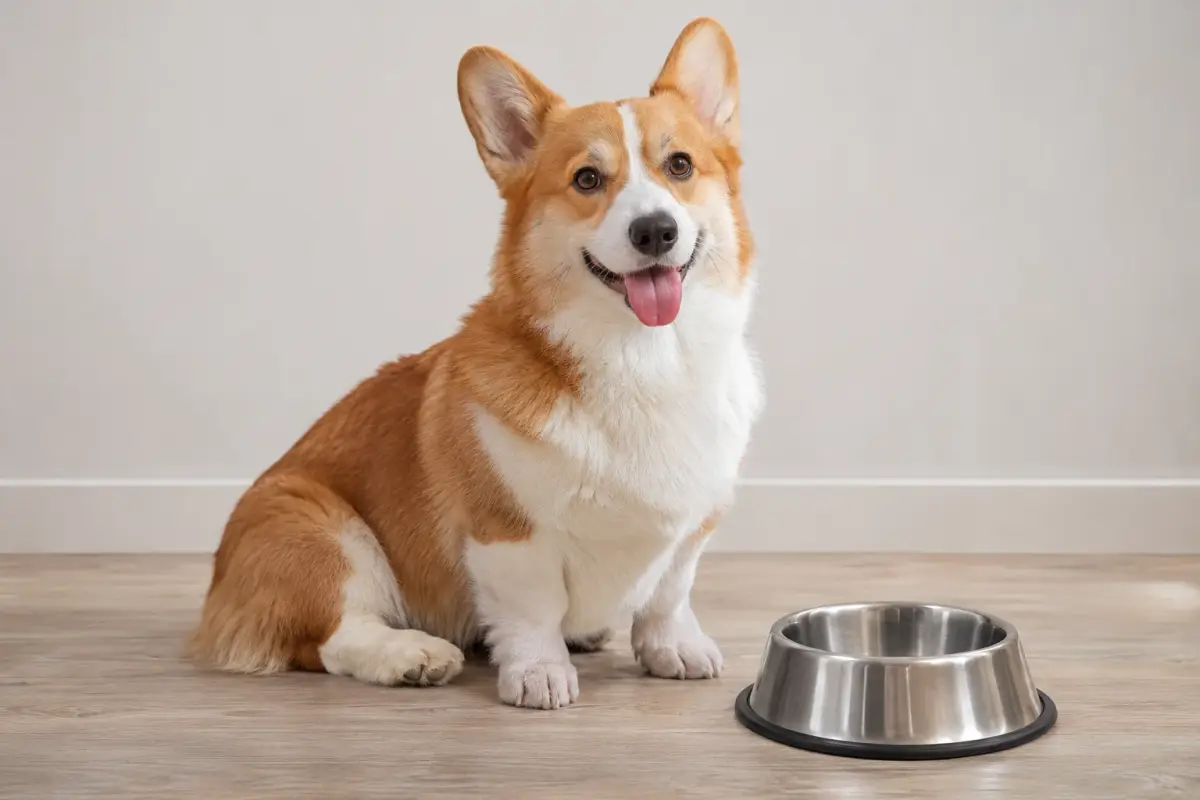
Pembroke and Cardigan Welsh corgis typically weigh about 25 to 38 lb depending on type and sex. They are sturdy, active dogs bred to herd cattle, but in a family home many get less exercise than their appetite expects, and weight creeps on.
Extra weight matters more on a long-backed dog. VCA lists higher risks of osteoarthritis, diabetes and other problems in overweight dogs, and on a corgi the load on the spine and short legs adds to that. A lean corgi moves better for longer. If your corgi gulps meals, our slow feeder bowls, such as the Anti-Gulp Slow Feeder Bowl and the Flower Spinner Slow Feeder Bowl, are one way to slow mealtimes down.
Choosing a food
Look for an AAFCO statement that the food is complete and balanced for your dog's life stage. The WSAVA's guidance suggests looking beyond the ingredient list, which it calls potentially misleading, to whether the company employs qualified nutritionists and what quality control it carries out.
A standard or medium-breed formula suits most corgis. Lower-calorie or weight-management formulas help dogs that gain easily, because you can feed a satisfying volume for fewer calories. Check calories per cup on the label; they vary widely between foods.
Puppies
Feed a complete puppy food in three or four meals a day at first, moving to two meals as your puppy matures. Corgis usually reach adult size around a year; ask your vet when to switch to adult food.
Keep a corgi puppy lean, not round. Avoid adding supplements to a complete puppy food unless your vet recommends one, and weigh your puppy regularly so portions keep pace with growth without overshooting.
Portions, treats and weight checks
Measure every meal, start from the bag guideline for your dog's ideal weight and adjust. VCA suggests treats make up no more than 10 percent of daily calories; for a corgi that is a small handful. Use part of the daily kibble for training rewards, carried in a treat pouch. For more on slower mealtimes, read how to slow down a dog eating and our slow feeder bowl guide.
Corgis have a thick double coat that hides weight. Feel instead of looking: VCA describes ideal ribs as feeling like the back of your hand. You should also see a waist from above. If not, cut portions slightly and recheck in a few weeks.
Grain-free and other trends
There is no proven benefit to grain-free diets for dogs without a diagnosed grain allergy. The FDA has investigated a possible link between some diets, many grain-free with peas, lentils or potatoes high on the ingredient list, and dilated cardiomyopathy; causation has not been established.
Raw and homemade diets are harder to balance and, in the case of raw, carry bacterial risk. If you want to cook for your corgi, use a recipe from a board-certified veterinary nutritionist.
When to call your vet
Ask your vet for a target weight and calorie number, especially if your corgi is already overweight; VCA advises against simply cutting the volume of the current food, because that can short-change nutrients over time.
Call your vet for reluctance to jump or climb stairs, a hunched back, yelping when picked up, or wobbliness in the back legs, which can signal back problems that need prompt attention. Also call for vomiting, diarrhea or a change in appetite.
This page is general information, not veterinary advice, and it cannot replace an examination by the vet who knows your pet.
Common questions
What is the best food for a corgi?
A complete and balanced food with an AAFCO statement for its life stage, from a maker with qualified nutritionists, fed in measured portions that keep your corgi lean. Your vet can help set the amount.
How much should a corgi eat a day?
It depends on weight, age, activity and the food's calories. Start from the bag guideline for ideal weight, measure meals, and adjust so you can feel the ribs and see a waist.
Why is my corgi always hungry?
Corgis are working dogs with hearty appetites, and many beg regardless of how much they eat. Stick to measured meals, use kibble for training, and add exercise and food puzzles rather than extra food.
Is grain-free food good for corgis?
There is no proven benefit without a diagnosed grain allergy, and the FDA has been investigating a possible link between some grain-free diets and heart disease. Ask your vet first.
Sources we checked
This guide is general information, not veterinary advice. If your pet is unwell or injured, contact your veterinarian.


