






Buying guides
Best Food for Beagles: What to Look For
The best food for a Beagle is a complete and balanced diet for its life stage, measured carefully, because Beagles are famously food-driven and gain weight easily. A food with clear calorie information, fed from a slow feeder or puzzle toy, helps more than any special ingredient. Look for an AAFCO adequacy statement, count every treat, and let your vet set your dog's target weight.
By Matt GarnettUpdated November 10, 20264 min read3 sources
What matters most for a Beagle
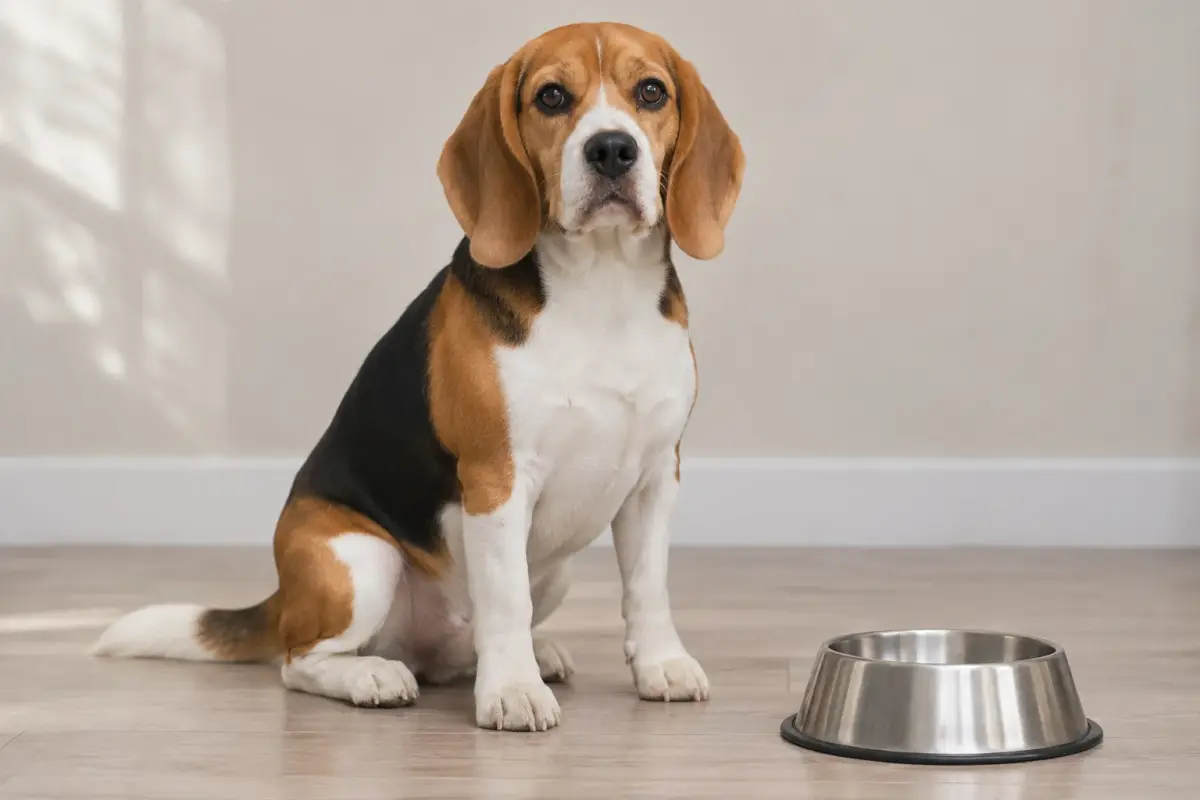
The AKC recognizes two Beagle sizes: 13 inches and under, usually under 20 pounds, and 13 to 15 inches, usually 20 to 30 pounds, with a life expectancy of 10 to 15 years. It describes Beagles as generally healthy, mentioning hip dysplasia and hypothyroidism among possible issues. Both are made harder to manage by extra weight, and Beagles, scent hounds with a strong nose for food, find extra weight easily.
So the priorities are a complete and balanced diet, clear calorie information and a feeding routine, such as an anti-gulp slow feeder, that slows a dog that inhales its food. A Beagle does not need a breed-labeled bag. It needs the right number of calories delivered in a way that keeps it busy.
How to read the label
Look for the AAFCO nutritional adequacy statement, saying the food is complete and balanced for growth, adult maintenance or all life stages. The WSAVA's guidelines on selecting pet foods warn that intermittent or supplemental products should be only a small part of the diet, and that terms such as premium and holistic are unregulated.
Check the calories per cup. A lower-calorie food lets a hungry Beagle eat a more satisfying volume. The WSAVA also suggests asking makers whether they employ a qualified nutritionist, who formulates their diets and what quality control they run, which tells you far more than the ingredient photos.
Feeding a food-driven hound
Beagles often eat as fast as they can. A slow-feeder bowl, a snuffle mat or a treat-dispensing toy turns a meal into a sniffing and problem-solving game, which suits a scent hound and slows eating. Splitting the day's food into two meals helps a Beagle feel fed more often.
Weigh food on a kitchen scale; a heaping cup can hold far more than a level one. Use part of the daily kibble as training treats. Keep the trash, counters and pantry secured, because a Beagle's nose finds food you did not mean to share, and some of it, such as chocolate or grapes, is dangerous.
Best format for each Beagle
For a Beagle puppy, choose a food labeled for growth or all life stages and feed measured meals as your vet advises. For an adult, a complete adult food with moderate calories suits most dogs, and a weight-management food helps a Beagle that gains easily. Dry, wet and fresh formats all work if they are complete and balanced.
For a senior, activity drops before appetite does, so reduce portions or ask your vet about a lower-calorie or senior formula. For a Beagle with a sensitive stomach, avoid frequent food switching, which often causes more upsets than it solves.
What to avoid
Avoid free-feeding. Avoid generous table scraps and large treats. Avoid feeding by the bag chart alone, which often overestimates for less active pets. Avoid choosing a diet only because it is grain-free; the FDA has investigated a possible link between certain such diets and heart disease.
Change foods over about a week. If your Beagle gains weight despite measured meals, seems sluggish or has a dull coat, ask your vet to check it, since hypothyroidism is among the conditions the AKC lists for the breed. If your Beagle eats something toxic, call your vet or the ASPCA Animal Poison Control Center at (888) 426-4435; a fee may apply.
Keeping a Beagle lean
A lean Beagle has ribs you can feel easily and a visible waist from above. Weigh your dog monthly and adjust portions by small amounts. Your vet can give a target weight and calorie figure, which is more reliable than any feeding chart.
Daily sniff walks are ideal exercise for a scent hound, and nose games at home use energy without extra food. Keep a Beagle on leash or in a secure yard; once it catches a scent, recall can vanish. A fit, lean Beagle stays active well into its senior years.
This page is general information, not veterinary advice, and it cannot replace an examination by the vet who knows your pet.
Common questions
How much should a Beagle eat?
It depends on its size, activity and the food's calories. Start from the bag guide for your dog's target weight, weigh portions and adjust slowly. Your vet can give a daily calorie figure.
How do I stop my Beagle eating too fast?
Use a slow-feeder bowl, snuffle mat or treat-dispensing toy, and split the food into two meals. Feed each dog separately in a multi-dog home. Puzzle toys also give a scent hound mental work.
Are Beagles prone to obesity?
They gain weight easily because they are highly food-motivated. Measured meals, counted treats and daily exercise keep most Beagles lean. Ask your vet for a target weight and check it monthly.
Is grain-free food good for Beagles?
There is no general need for it, and the FDA has investigated a possible link between some grain-free diets and heart disease. Ask your vet before choosing one.
Sources we checked
This guide is general information, not veterinary advice. If your pet is unwell or injured, contact your veterinarian.


