Buying guides
The Best Dogs for Apartments: Quiet, Adaptable Breeds
The best dogs for apartments are quiet, adaptable breeds with moderate energy, such as the French Bulldog, Cavalier King Charles Spaniel, Havanese, Shih Tzu and Boston Terrier. Size matters less than you might think: a retired racing Greyhound is often calmer indoors than a terrier a quarter its weight. What really makes or breaks apartment life is barking, daily exercise and how long the dog is left alone.
By Matt GarnettUpdated November 13, 20265 min read4 sources
What makes a good apartment dog?
Three things count more than size. The first is noise: in a building with shared walls, a dog that barks at every footstep in the hallway causes trouble fast. The second is energy: a dog that needs hours of running will be frustrated in a small space unless you can provide that exercise outside. The third is adaptability, which the AKC scores from 1 to 5 as a measure of how well a breed copes with changes in routine and living space.
Practical details matter too. Think about carrying a dog down stairs or into an elevator, how often you can get outside for bathroom breaks, and whether the building has weight or breed limits. A dog that can wait comfortably between walks and settle quietly while you work or sleep is the one that will thrive.
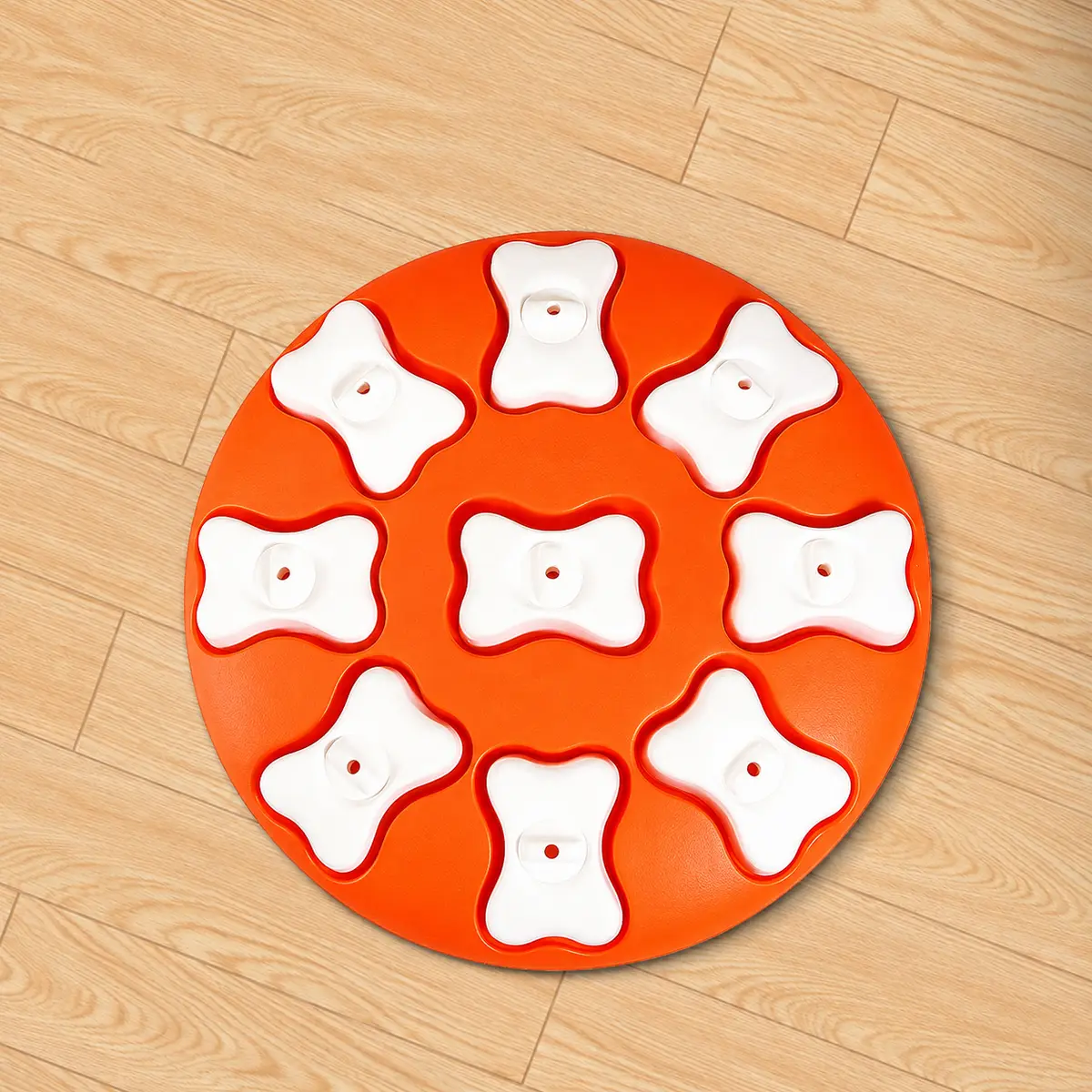
Before choosing a breed, plan where dog beds and dog puzzle toys will fit without obstructing the apartment's walkways.
Quiet small companions
The French Bulldog is one of the best-known apartment dogs: 11 to 13 inches, under 28 pounds, with a short coat, top scores for adaptability and only 1 out of 5 for barking. The Pug, 14 to 18 pounds, shares the same low barking score and high adaptability. Both are flat-faced breeds that overheat easily, so air conditioning in summer and short, cool walks are a must.
The Cavalier King Charles Spaniel, 13 to 18 pounds, is gentle and affectionate; VCA describes it as adapting well to apartments or houses, though it prefers company and may not enjoy long hours alone. The Shih Tzu, 9 to 16 pounds, scores 5 for adaptability and is happy with short walks and indoor play. The Coton de Tulear, 8 to 15 pounds, rates just 1 for barking and lives 15 to 19 years.
Cheerful, adaptable small dogs
The Havanese, 7 to 13 pounds, scores 5 for adaptability and with strangers, and is a sociable, playful companion with a long life expectancy of 14 to 16 years. It does score 4 for barking, so teach a quiet cue early. The Bichon Frise, 12 to 18 pounds, is upbeat and friendly with a low-shedding coat that needs professional grooming.
The Boston Terrier, 12 to 25 pounds, scores 2 for barking and 5 with strangers, with a short coat that needs only a weekly brush. It is livelier than a French Bulldog, rated 4 for energy, so plan on brisk daily walks and games. Like the Frenchie and Pug, it has a short muzzle and needs care in heat.
Larger dogs that can suit an apartment
The Greyhound surprises many people. It is a big dog, 27 to 30 inches and 60 to 70 pounds, but VCA describes it as a very quiet housedog once its exercise needs are met: a moderate walk or a sprint in a securely fenced area each day. Most pet Greyhounds are retired racers, and adoption groups can match you with one that has been assessed in a home.
The Whippet, 25 to 40 pounds, scores 1 for barking and is similarly calm indoors after a daily run. Both sighthounds have thin coats and feel the cold, and both may chase small animals, so they should stay on a leash outside fenced areas. A larger dog in an apartment is fine if it is quiet, settled and well exercised; the building's rules are often the real limit.
Breeds that find apartment life harder
Some popular small dogs are poor neighbors. The AKC gives the Chihuahua, Dachshund, Miniature Schnauzer, Papillon and Shetland Sheepdog its highest barking score, 5 out of 5. They can live in apartments, but expect to put real work into teaching calm behavior at the door and window.
High-drive working breeds are the other mismatch. Border Collies, Australian Shepherds and Belgian Malinois need far more physical and mental exercise than most apartment owners can give, and a bored working dog barks, chews and paces. A Beagle, scent-driven and vocal, can also struggle, since VCA notes it may become vocal or destructive without enough activity.
Making apartment life work
Set a firm bathroom schedule from day one: first thing in the morning, after meals, after naps and play, and last thing at night. Puppies need to go out far more often than adult dogs, which is one reason an adult dog can be easier in a high-rise. Practice short periods alone from the start, and use puzzle feeders and chews so time alone is calm.
Reward quiet. When your dog notices a noise in the hallway and stays calm, praise and treat it; if it barks, call it away and reward it for coming. Most dogs need at least two good walks a day plus play, whatever the square footage. If barking or distress when left alone persists, talk to your vet, since anxiety can have medical causes and your vet can refer you to a behavior professional.
For home activities between walks, our bored-dog toy guide compares enrichment types without assuming that a small apartment means a small exercise requirement.
This page is general information, not veterinary advice, and it cannot replace an examination by the vet who knows your pet.
Common questions
What is the best apartment dog for a first-time owner?
The Cavalier King Charles Spaniel and Shih Tzu are good choices: both are small, gentle, adaptable and score 4 out of 5 for trainability on the AKC scale. Neither likes being left alone for long workdays without a midday break.
What is the best large dog for an apartment?
The Greyhound is often recommended. Despite weighing 60 to 70 pounds, it tends to be quiet and restful indoors once it has had a daily walk or a run in a fenced area. Check your building's weight limits first.
What apartment dog doesn't shed much?
The Shih Tzu, Bichon Frise and Havanese are small, adaptable and low shedding. Their long or curly coats need brushing several times a week and regular professional grooming, and no breed is free of allergens.
Can a dog be happy in an apartment?
Yes. Dogs care more about exercise, company and routine than square footage. A dog that gets daily walks, play and training, and is not left alone for very long stretches, can be just as content in an apartment as in a house.
Sources we checked
This guide is general information, not veterinary advice. If your pet is unwell or injured, contact your veterinarian.