Care & how-to
Easter Basket for Dogs: Safe Ideas for Every Holiday
A dog-safe Easter basket is easy: fill it with a sturdy chew toy, a puzzle feeder, a few dog treats or plain baked sweet potato, and skip the plastic grass, chocolate, jelly beans and anything sugar-free. The same rules work for St. Patrick's Day and Valentine's Day. Keep human candy, lilies and decorations out of reach, and call your vet if your dog eats something toxic.
By Matt GarnettUpdated November 13, 20264 min read3 sources
What to put in a dog Easter basket
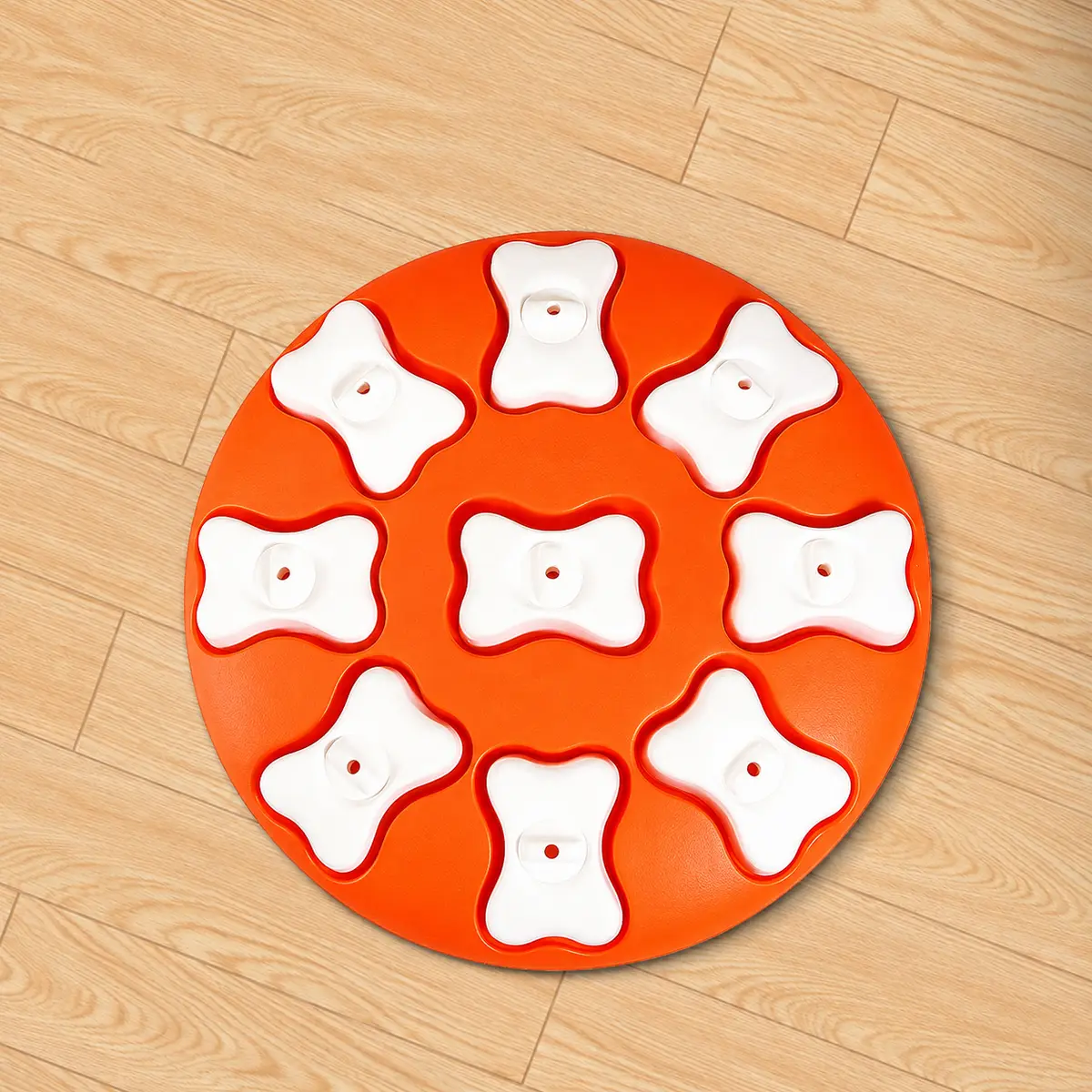
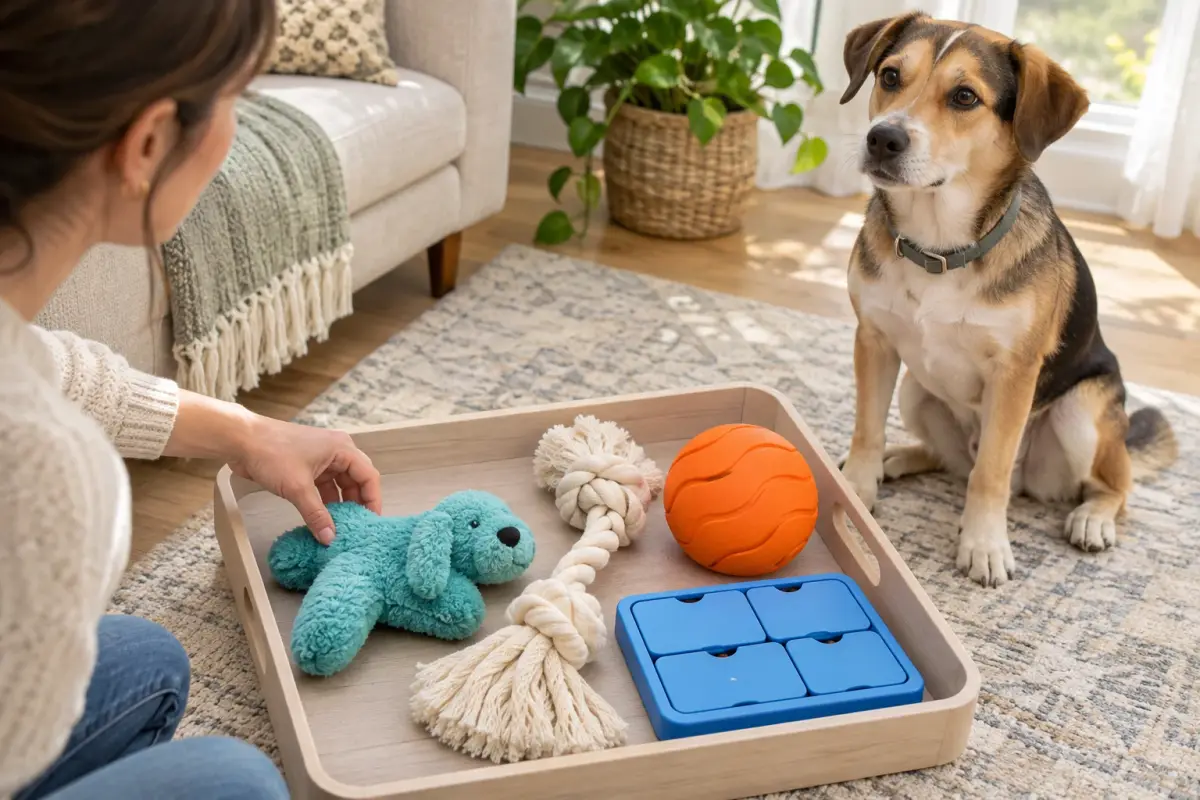
Start with one durable toy sized for your dog: a rubber chew that can be stuffed with food, a plush toy for gentle players, or a rope toy for tug. Add a puzzle feeder or a snuffle mat to turn treats into a game, and a new collar bandana if your dog enjoys dressing up. Choose toys too big to swallow, and supervise with anything new.
For edible fillers, use treats made for dogs, or simple foods most dogs can have in small amounts: plain baked sweet potato chews, a few blueberries, apple slices with the core and seeds removed, or a frozen spoonful of plain pumpkin. Keep the total small, since treats should only be a small part of the day's food. Use a shallow bowl or the toy itself as the basket.
A hidden-food toy or snuffle feeding mat gives the basket an activity theme. Check the size and supervise the first use rather than assuming every Easter gift suits every dog.
Easter hazards to keep away
Chocolate eggs and bunnies are the biggest risk; the ASPCA notes that dark and baking chocolate are the most toxic. Sugar-free candy and gum may contain xylitol, which can drop a dog's blood sugar dangerously and damage the liver. Jelly beans and marshmallow chicks are pure sugar and often contain xylitol in diet versions. Raisins in hot cross buns can cause kidney damage.
Plastic Easter grass, foil wrappers and plastic eggs can cause choking or an intestinal blockage if swallowed, and so can hard-boiled eggs hidden outdoors and forgotten, which also spoil. Easter lilies are deadly to cats and should not be in a home with a cat at all. After an egg hunt, count the eggs and sweep the yard before letting your dog out.
St. Patrick's Day and Valentine's Day ideas
For St. Patrick's Day, swap green beer and corned beef for a green bandana, a new shamrock toy, or a few pieces of plain cooked cabbage or green beans. Alcohol is dangerous to dogs even in small amounts, and salty, fatty meats can upset the stomach or trigger pancreatitis. Keep drinks off low tables at parties.
For Valentine's Day, the classic gift box of chocolates is exactly what to keep away from your dog. Choose a heart-shaped chew toy, homemade heart-cut dog treats, or a long walk. Roses are not considered highly toxic, but thorns can injure mouths and paws, and lilies in bouquets are a serious risk to cats. Keep flowers, candles and candy boxes out of reach.
Homemade holiday treats
Simple homemade treats make good basket fillers. Mix plain canned pumpkin, a little xylitol-free peanut butter, an egg and whole wheat or oat flour, roll the dough, cut shapes with a cookie cutter and bake at 350°F until firm. Our dog birthday cake recipe uses the same safe ingredients and works for any celebration.
Check every label: no xylitol or birch sugar, no chocolate or cocoa, no raisins, macadamia nuts, onion or garlic powder. Let treats cool fully and store them in the fridge for a few days or the freezer for longer. If your dog has allergies, a sensitive stomach or a medical condition, ask your vet before trying new foods.
If your dog eats something they shouldn't
Call your vet or an emergency vet right away, without waiting for signs, if your dog eats chocolate, xylitol-containing candy, raisins, alcohol, or a large amount of plastic grass or foil. Have the packaging with you. ASPCA Animal Poison Control is (888) 426-4435 and Pet Poison Helpline is (855) 764-7661; a fee may apply.
Watch for vomiting, diarrhea, restlessness, tremors, weakness, a swollen or painful belly, or straining to poop, and call your vet if any appear. Do not try to make your dog vomit at home unless a vet tells you to. A calm holiday is the best gift of all: give your dog a quiet place to rest during busy family gatherings.
This page is general information, not veterinary advice, and it cannot replace an examination by the vet who knows your pet.
Common questions
What can I put in my dog's Easter basket?
A sturdy chew or stuffable toy, a puzzle feeder, a few dog treats or simple safe foods such as plain sweet potato or blueberries, and maybe a bandana. Skip chocolate, sugar-free candy and plastic grass.
Is Easter grass dangerous to dogs?
Yes. Plastic Easter grass can tangle in the intestines and cause a blockage if swallowed. Use paper shreds, a towel or no filler at all, and keep children's baskets out of reach.
Can dogs eat jelly beans?
It is best not to. Jelly beans are mostly sugar, and sugar-free versions may contain xylitol, which is toxic to dogs. Call your vet if your dog eats sugar-free candy.
Can dogs have Valentine's chocolate?
No. Chocolate is toxic to dogs, especially dark and baking chocolate. If your dog eats any, call your vet or a poison control line with the type and amount and your dog's weight.
Sources we checked
This guide is general information, not veterinary advice. If your pet is unwell or injured, contact your veterinarian.