






Buying guides
Best Dog House: What Actually Matters
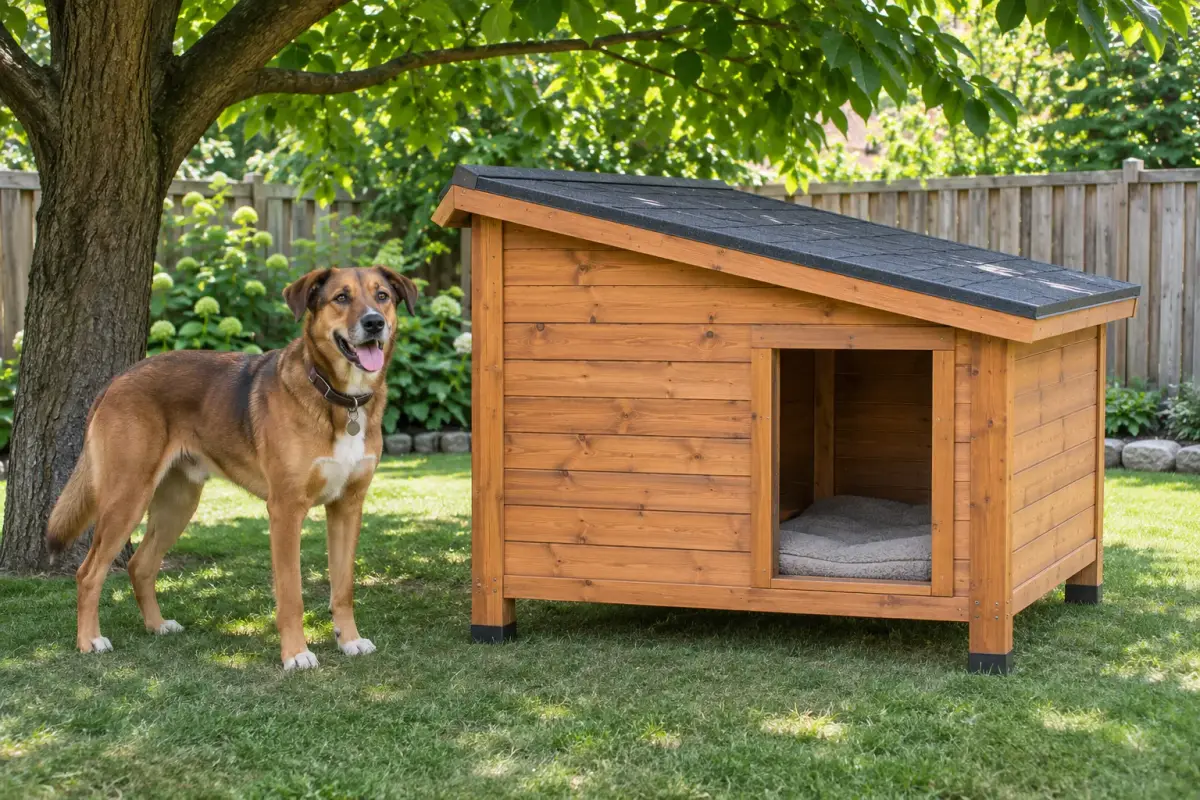
The best dog house is sized to your dog, because the dimensions decide whether it holds body heat in winter. Look for a raised, dry floor, real insulation, a weatherproof roof, a door sized to your dog and ventilation for summer. Many dogs, including puppies, seniors, toy breeds and short-coated dogs, should not live outdoors at all.
By Matt GarnettUpdated November 14, 20264 min read4 sources
Size decides how warm the house is
The Ontario SPCA says dog house dimensions are directly related to the size of the dog and are critically important if the dog is to keep warm with its own body heat. Its rule of thumb is to allow 36 square inches of floor space for each inch of your dog's height, measured from the top of the shoulder to the ground. A 12 inch tall dog needs about 432 square inches, for example 16 by 27 inches.
For the ceiling, measure your dog sitting, from the top of the head to the ground, and add 1 or 2 inches. A house that is too big wastes warmth, and one that is too small cannot let the dog stand and turn. Measure your dog before you shop, then check the inside dimensions of each house, since outside measurements include the walls. Our large dog house guide covers bigger breeds.
The main types compared
Plastic houses are light and wipe clean, and a model such as this plastic dog house is easy to move and wash. Wooden houses are heavier and can be insulated more thoroughly, as with this large solid wood dog house, but wood needs a weatherproof finish and checking for rot. Indoor houses suit dogs that live in the home and want a den.
Compact designs suit small yards and patios, but check that the floor area still meets the size rule above. Browse the full dog houses range to compare materials, or see our guide to an insulated dog house for cold climates.
Insulation, floor, door and roof
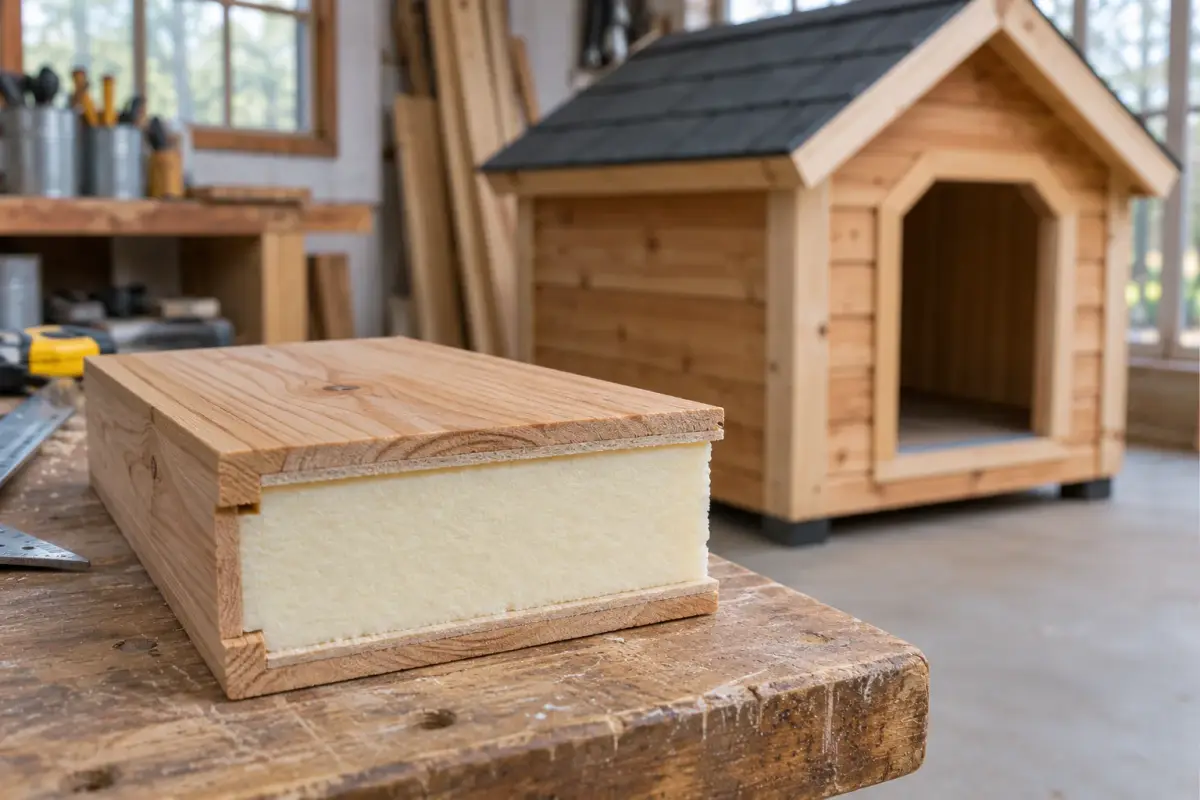
The Ontario SPCA recommends elevating the house on bricks or cinder blocks so the floor stays dry, and insulating the walls, floor and ceiling of the sleeping area. It describes a separate entrance hall or vestibule, a door sill, and a burlap or canvas flap over the opening in winter that comes off in summer. A removable or hinged roof makes cleaning the inside much easier.
Straw is the bedding it recommends, and it advises against blankets, which hold moisture. Change the bedding every 1 to 2 weeks. The AKC adds that foam board between interior and exterior walls holds up better than other insulation, and that weather stripping helps. If you use any heater, keep cords and heat sources out of the dog's reach and away from flammable bedding.
Staying cool in summer
A dog house that keeps warmth in can also trap heat. VCA warns that poorly ventilated spaces, dog houses among them, can be risky even when the weather does not seem hot, and it lists being left in a yard without shade or water as a cause of heat stroke. Flat-faced breeds are at greater risk, with signs sometimes appearing at only moderate heat and humidity.
Place the house in shade, off bare concrete, and leave a vent that can be opened in warm weather. Provide fresh water in a spot the dog can reach. Heat stroke is an emergency, and VCA says to get veterinary care immediately for a dog that is panting hard, disoriented, lethargic or collapsing.
Which dogs should not live outside
A house is a shelter for time outdoors, not a replacement for a home. The Ontario SPCA says aged, young or infirm dogs should not be housed outdoors, especially in cold weather, and that short-coated dogs are prone to frostbite. The AKC singles out puppies under eight weeks, toy breeds, elderly dogs and dogs with health conditions as needing extra caution, and says there is no one-size-fits-all rule for temperatures.
Many places also limit how long a dog can be confined or tethered outdoors in extreme weather, so check local rules. Whatever house you choose, bring your dog indoors during severe heat, cold or storms, and talk to your vet about whether your dog's age, coat and health suit time outside.
For more options, see our dog houses collection, or indoor dog houses for dogs that live in the home.
This page is general information, not veterinary advice, and it cannot replace an examination by the vet who knows your pet.
Dog-house bodies and intended placement
| Type | Physical difference | What to inspect |
|---|---|---|
| Plastic house | A molded shell or panel body | Interior floor,entrance and removable cleaning access |
| Wooden house | A joined timber panel structure | Finish,joints and condition of the wood |
| Insulated design | Extra layers within the enclosure | Which surfaces contain insulation |
| Indoor house | A den intended for indoor placement | Floor space and entrance in the intended room |
Common questions
What size dog house does my dog need?
The Ontario SPCA suggests 36 square inches of floor space for every inch of your dog's shoulder height, and a ceiling 1 or 2 inches above the dog's sitting height. Measure your dog first, then compare the inside dimensions of each house.
Should a dog house have a raised floor?
Yes. The Ontario SPCA recommends elevating the house on bricks or cinder blocks to keep the floor dry. A raised floor also helps stop moisture and cold from rising through the base of the house.
Is straw or a blanket better for a dog house?
The Ontario SPCA recommends straw and says blankets are not advisable, because they hold moisture. Whatever bedding you use, change it every 1 to 2 weeks and keep the sleeping area clean and dry.
Can my dog live outside in a dog house all year?
Some healthy, acclimated dogs can spend time outdoors with proper shelter, but the AKC says there is no one-size-fits-all rule. Puppies, seniors, toy and short-coated breeds should not live outside, and every dog needs to come in during severe weather.
Sources we checked
This guide is general information, not veterinary advice. If your pet is unwell or injured, contact your veterinarian.


