






Buying guides
Best Cat Nail Caps: What Actually Matters
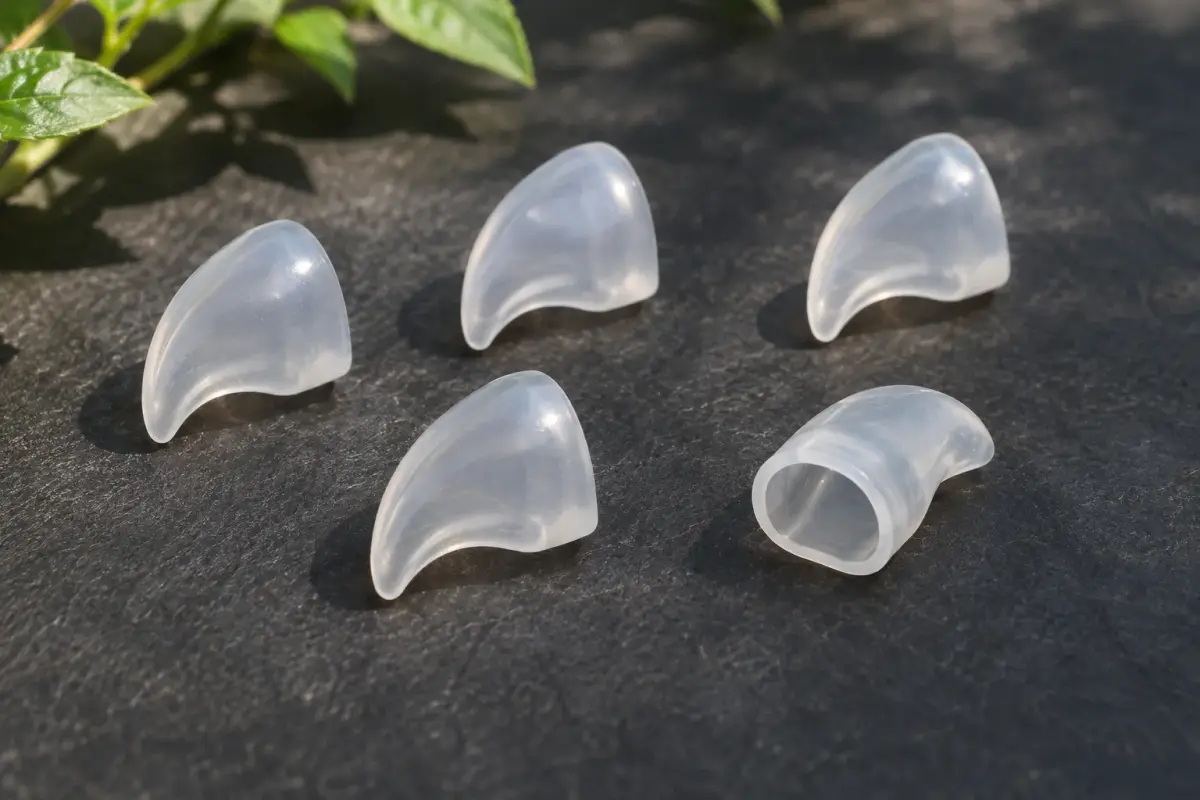
Cat nail caps are small plastic covers glued over a cat's trimmed claws so scratching does less damage. What decides whether they work for you is the fit for your cat's size, whether your cat will tolerate the glue and handling, and your willingness to reapply them every few weeks. Browse our cat nail caps once you know those answers.
By Matt GarnettUpdated November 14, 20264 min read2 sources
What nail caps do, and what they do not
The ASPCA describes nail caps as plastic caps that attach to the claws with an adhesive, are temporary, and last four to six weeks. VCA Animal Hospitals adds that they are attached with glue to a clipped toenail, that the nails keep growing, and that the caps eventually fall off, so frequent reapplication is needed. They blunt the claw; they do not stop your cat from scratching.
That distinction shapes what you should expect. A capped cat still wants to scratch, and still needs a proper post. The ASPCA says to offer several materials and orientations, such as cardboard, carpet, wood and sisal, and to choose a sturdy post tall enough for the cat to stretch fully. Our best cat scratching posts guide and cat scratchers cover that side.
Why people consider them
Owners usually reach for caps when scratching is damaging furniture, or when a cat's claws are hurting people, for example a cat that climbs onto laps. The ASPCA is strongly opposed to declawing, says it has not been proven effective for behavior problems, and says it should never be used as a behavior remedy. Caps are a temporary, reversible alternative to that.
VCA says most cats tolerate the process, which is quick and painless, and that it can be done at the vet clinic or at home. If you are nervous about handling your cat's paws, ask your veterinary team to show you or to apply the first set.
Sizing and fit
Caps come in size ranges from small for kittens to larger sizes for big cats, and the right one covers the whole trimmed nail without pinching or slipping off. Check the maker's size guide against your cat's weight, and if your cat is between sizes ask your vet which to choose.
Look at the pack contents before you buy. Check how many caps a pack holds and whether the adhesive and applicator are included. Check the glue for instructions on non-toxic use, and keep it away from your cat's fur and skin.
Trim first, and keep trimming
Caps are glued to a clipped nail, so trimming is part of the process. VCA says all cats with claws need regular trimming, and that most cats require monthly trimming to keep nails at the length you choose. Trimming a cat that wears caps is still necessary, because the nail keeps growing underneath.
Our cat nail clippers collection covers the tools, and the how to trim cat nails guide walks through the steps. If you struggle with trimming, ask your vet to demonstrate how to hold the cat and clip safely.
Glued caps versus other claw covers
The glued-on cap is the common kind, but covers also come in boot or glove styles that fit over the whole paw. An adjustable cat claw cover boot is a different type from a glued cap, so read how it is worn and for how long. A cover that stays on a cat's paw needs to be safe to wear and easy to remove.
Whichever type you choose, supervise your cat during the first sessions. Watch for chewing at the covers, signs of distress, limping or any swelling around the toes. Remove a cover at once if your cat seems bothered, and ask your vet if any problem persists.
Safety, and when to see a vet
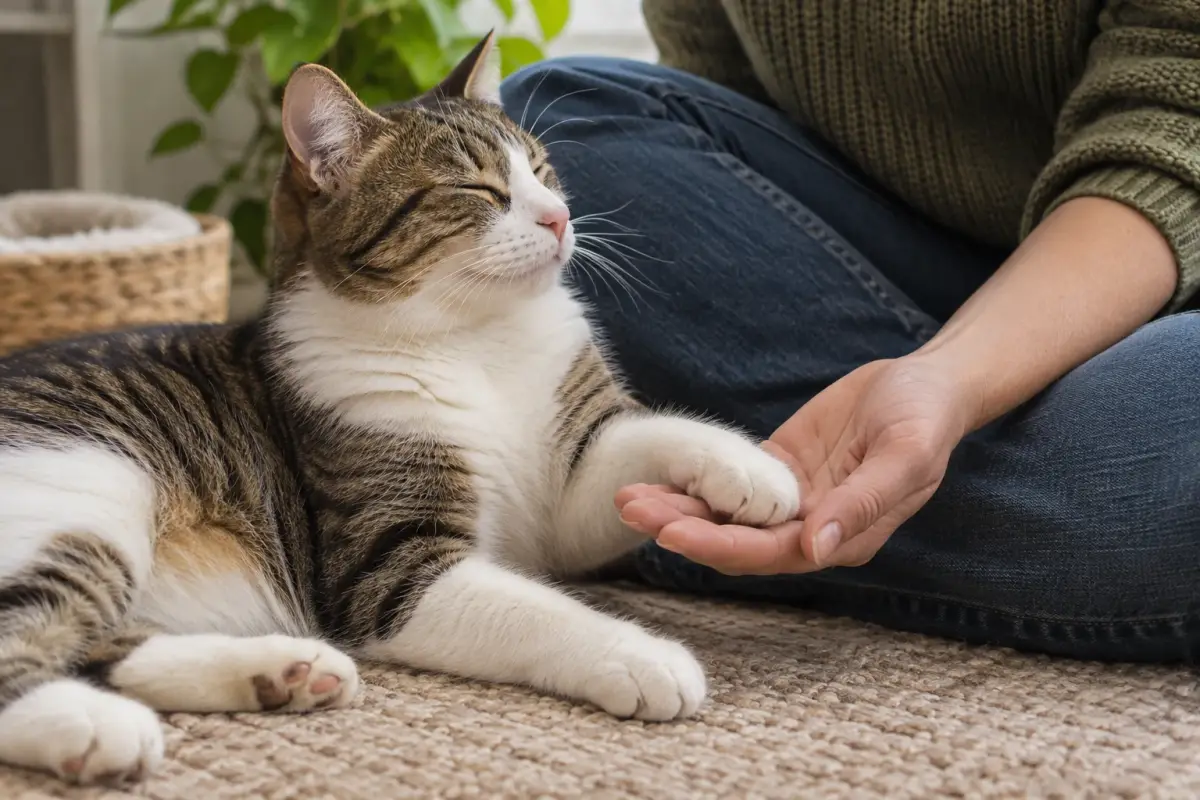
Caps are small, so a swallowed cap is the main hazard. Check the paws every few days, and when a cap loosens, remove it instead of letting your cat chew it off. If your cat swallows a cap or the glue, or you see redness, swelling, a split nail or discharge at the toe, call your vet. Keep adhesive away from the eyes, and follow the pack instructions exactly.
Always ask your vet before capping a cat that goes outdoors, has a nail or skin problem, or an injured toe. This page is general information, not veterinary advice, and it cannot replace an examination by the vet who knows your pet.
Common questions
How long do cat nail caps last?
The ASPCA says they last four to six weeks. VCA notes that nails keep growing and the caps eventually fall off, so you will need to reapply them frequently to keep your cat covered.
Do nail caps hurt cats?
VCA says most cats tolerate the quick and painless process. Watch for chewing, limping or swelling, remove a cap if your cat is bothered, and ask your vet if the paws look sore.
Do cats still need a scratching post with nail caps?
Yes. Caps blunt the claws but your cat will still want to scratch. The ASPCA suggests sturdy posts in several materials and orientations, tall enough for a full stretch.
Are nail caps better than declawing?
The ASPCA is strongly opposed to declawing, which it says has not been proven effective for behavior problems. Nail caps are temporary and reversible, and trimming plus posts are the first steps to try.
Do I need to trim my cat's nails before applying caps?
Yes. VCA says caps are glued to a clipped toenail. Regular trimming is still needed, since most cats require monthly trims, and your vet can show you how.
Sources we checked
This guide is general information, not veterinary advice. If your pet is unwell or injured, contact your veterinarian.


