Food safety
Can Dogs Eat Turkey Bacon? Not Really, Here's Why
No, turkey bacon is not a good treat for dogs. It is not toxic, and a stray slice rarely causes trouble, but it is a processed, salty and often seasoned meat. The ASPCA advises avoiding processed meats like bacon because of their salt, and fatty table foods can trigger pancreatitis. Plain cooked turkey meat is the better choice, and this page explains why, how much is too much, and what to do if your dog ate some.
By Matt GarnettUpdated November 13, 20264 min read3 sources
Why turkey bacon is still a poor choice
Turkey bacon is sold as the lighter option, but for a dog it is still a processed meat. The ASPCA says it is best to avoid processed meats like lunch meat or bacon because they can be high in salt. Turkey bacon is typically cured, flavored and smoked, so the same caution applies even though the meat is not pork.
Pet Poison Helpline lists fatty table foods such as bacon, gravy and turkey skin as foods that are not toxic but can cause stomach upset or even fatal pancreatitis. Plain turkey is different. The American Kennel Club says turkey is not inherently toxic to dogs, but that only cooked meat, with no salt, fat or seasoning, belongs in a bowl.
If your dog ate turkey bacon
One or two plain slices eaten by a healthy adult dog usually cause nothing worse than a loose stool. Take away any leftovers and grease, offer fresh water, and watch your dog over the next few days. Do not try to make your dog vomit at home unless your vet tells you to.
Call your vet the same day if a small dog ate a lot, if your dog ate the grease, if the bacon was seasoned with onion or garlic, or if your dog has had pancreatitis. If you think onion or garlic was involved, you can also call ASPCA Animal Poison Control at (888) 426-4435 or Pet Poison Helpline at (855) 764-7661, and a fee may apply.
How much is too much by dog weight
There is no amount worth aiming for, because turkey bacon is not a recommended treat. As a rough guide to how worried to be, a slice is a big salt and fat load for a dog under 20 lb, while a dog of 20 to 50 lb usually copes with a slice or two. For a dog over 50 lb, several slices or a share of the grease is a reason to call your vet.
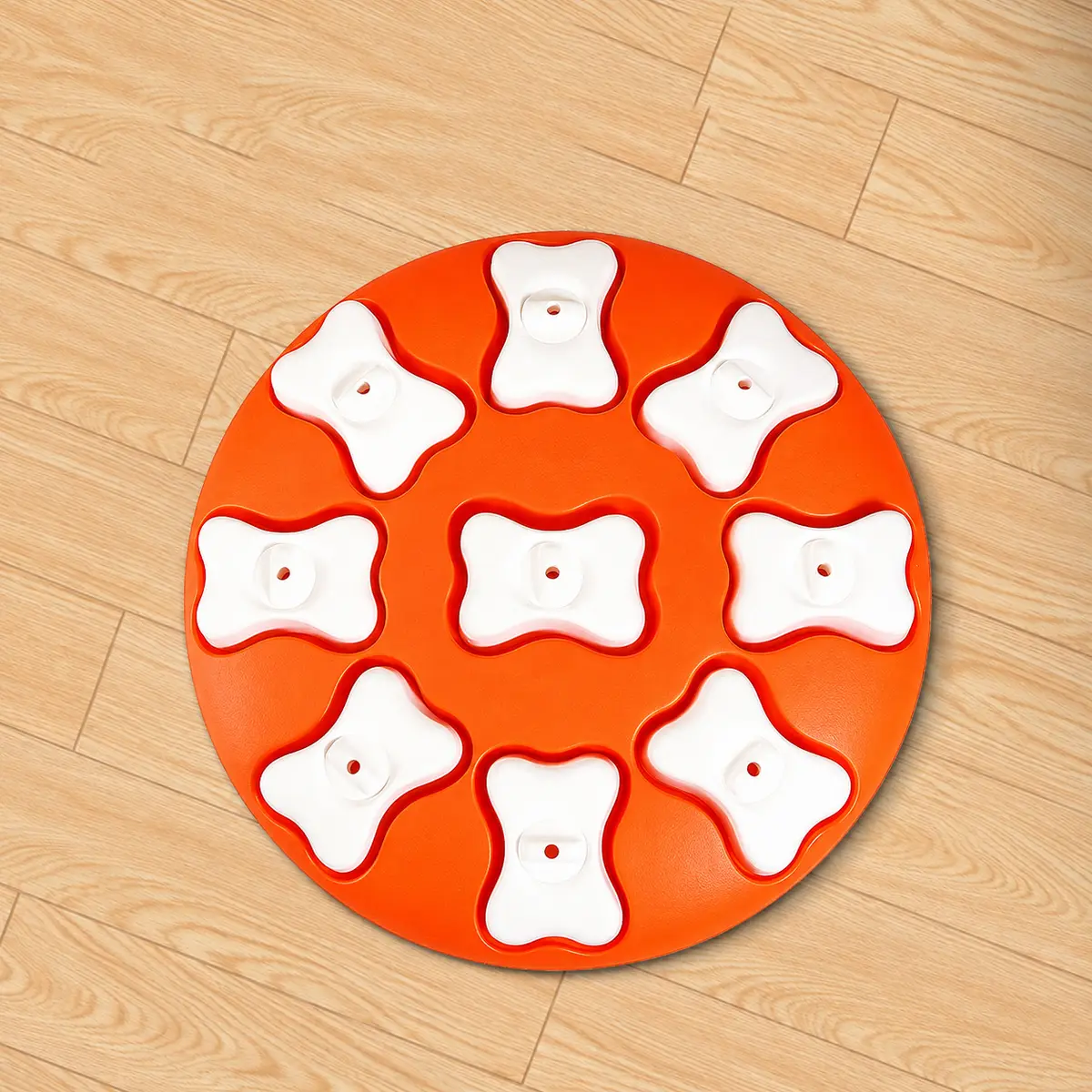
Size is only part of the picture. Pet Poison Helpline says miniature Schnauzers in particular are more likely to develop pancreatitis, so a breed like that can react to far less. If your dog wants something savory to chew on, a puzzle toy stuffed with a few safe pieces gives sniffing work without the salt.
Puppies, seniors and dogs that should skip it
Puppies have small bodies and sensitive stomachs, so even a little turkey bacon can mean vomiting or diarrhea. Older dogs, overweight dogs and dogs with diabetes are also better off without rich, salty food, and it gives them nothing they need.
A dog with a history of pancreatitis, or one on a low-fat or low-sodium diet for a heart, kidney or gut condition, should have none at all. If a guest slips your dog a slice at breakfast, mention it to your vet when your dog has any of those conditions.
Signs to watch and what to give instead
Watch for vomiting, diarrhea, loss of appetite, a hunched posture, a tender belly or unusual tiredness. Pet Poison Helpline says vomiting after a fatty meal can be delayed by one to four days, so keep watching even if your dog seems fine at first. Repeated vomiting or a dog that refuses food needs a vet visit the same day.
For a safer reward, the AKC says to feed plain cooked turkey meat, with the skin, bones and all seasoning removed, in small portions like a treat, and the ASPCA lists lean cooked turkey without bones or seasoning as acceptable. A snuffle mat turns a few of those pieces into a slower game. You can also read about bacon and plain turkey for dogs.
This page is general information, not veterinary advice, and it cannot replace an examination by the vet who knows your pet.
Common questions
Is turkey bacon better for dogs than regular bacon?
Not in any way that matters. Both are processed, salty and often seasoned, and fatty table foods can trigger pancreatitis. Plain cooked turkey meat without skin or seasoning is the safer choice.
Can dogs eat turkey bacon grease?
No. Butter, oils and meat drippings can trigger pancreatitis. If your dog drank or licked up a lot of grease, call your vet the same day and watch for vomiting over the next few days.
Can dogs eat a little turkey bacon as a treat?
A small piece is unlikely to harm a healthy adult dog, but it adds salt and fat with no benefit. Dogs prone to pancreatitis, and small dogs, are better off with none.
Can puppies eat turkey bacon?
It is best to avoid it. Puppies have small bodies and sensitive stomachs, so salty, fatty food can cause vomiting and diarrhea. Ask your vet which treats suit your puppy.
What should I do if my dog ate a whole package of turkey bacon?
Call your vet right away. A large amount means a big load of salt and fat, and the bacon may contain onion or garlic. Your vet can advise whether your dog needs to be seen.
Sources we checked
This guide is general information, not veterinary advice. If your pet is unwell or injured, contact your veterinarian.