Food safety
Can Dogs Eat Bacon? Not a Good Idea — Here's Why
No, bacon is not a good treat for dogs. It is not poisonous, and a single dropped piece rarely causes trouble, but bacon is one of the fattiest, saltiest foods in the kitchen. The ASPCA advises against processed meats like bacon because of the salt, and VCA lists fatty foods such as bacon among triggers for pancreatitis. Bacon grease is even riskier, and raw bacon adds a bacteria risk.
By Matt GarnettUpdated November 13, 20264 min read3 sources
Why bacon is a poor choice for dogs
Bacon is cured pork belly, and most of its calories come from fat. A dog's pancreas has to release digestive enzymes to deal with a sudden load of fat, and VCA notes that fatty foods like bacon and turkey skin can trigger pancreatitis, a painful inflammation that can need days of hospital care.
Bacon is also heavily salted and often smoked, sweetened with maple or brown sugar, or flavored with pepper. The ASPCA warns that excess salt causes thirst and heavy urination and, in large amounts, abnormal electrolytes. Its pet snack guide specifically recommends avoiding processed meats like bacon for that reason.
The warning: grease, raw bacon and bacon bits
Bacon grease is almost pure fat. A dog that licks the pan, drinks from a grease can or raids the trash after breakfast is at higher risk of vomiting, diarrhea and pancreatitis than one that ate a crumb of cooked bacon. Pour grease into a sealed container and put it out of reach.
Raw or undercooked bacon can carry bacteria that sicken dogs and the people who handle them, and the ASPCA lists raw meat among foods to avoid. Bacon bits, bacon-wrapped dishes and bacon-studded sides are often cooked with onion or garlic, which damage a dog's red blood cells.
If your dog ate bacon
One or two strips of cooked bacon eaten by a medium or large healthy dog usually cause nothing worse than a loose stool. Take any leftover bacon and grease away, offer fresh water, and watch your dog for the next day or two. There is no need to make your dog vomit at home.
Call your vet the same day if a small dog ate several strips, if your dog drank grease or ate a pan's worth, if the bacon was part of a dish with onion or garlic, or if your dog has had pancreatitis before. Your vet can tell you whether your dog needs to be seen.
How much is too much by dog weight
Because bacon is not a recommended treat, there is no amount to aim for. As a rough guide to how worried to be, a dog under 20 lb that eats a full strip is taking in a large fat load for its size. For a dog of 20 to 50 lb, a strip or two is unlikely to cause more than stomach upset.
For a dog over 50 lb, several strips or a share of the grease is a reason to call your vet. Size is only part of the picture: breeds prone to pancreatitis, such as Miniature Schnauzers, Yorkshire Terriers and Cocker Spaniels, can react to smaller amounts than their weight suggests.
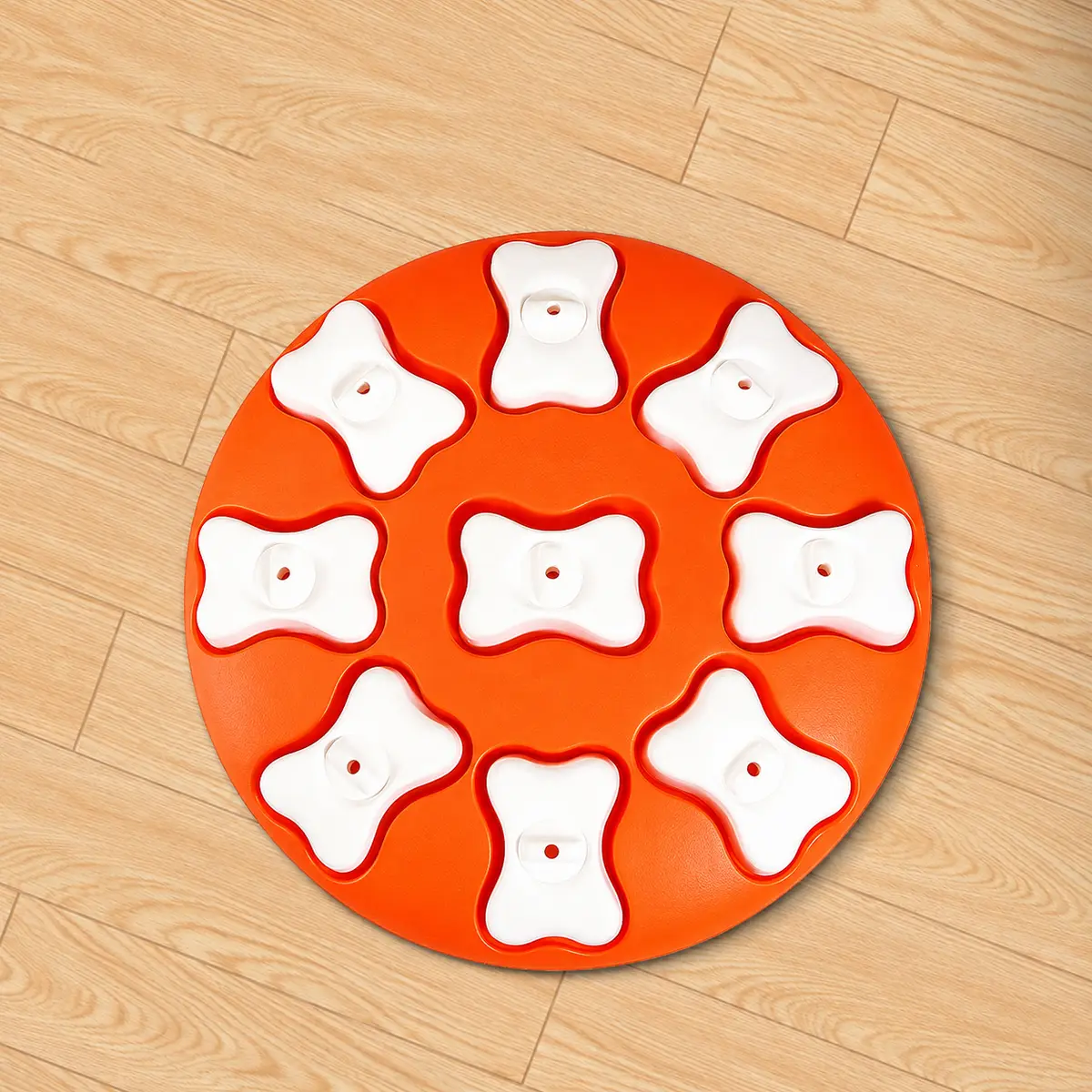
Spreading a few safe pieces across a snuffle mat or packing them into a puzzle toy turns a small treat into a few minutes of sniffing work.
Puppies, seniors and dogs that should never have bacon
Puppies have sensitive stomachs and small bodies, so even a little bacon can cause vomiting and diarrhea. Older dogs, overweight dogs and dogs with diabetes are also at higher risk from rich, fatty food. There is no benefit to giving bacon to any of them.
Dogs that have had pancreatitis before, or that are on a low-fat or low-sodium diet for heart, kidney or gut disease, should have no bacon at all. If someone at a family breakfast slips your dog a strip, mention it to your vet if your dog has any of these conditions.
Signs to watch, and what to give instead
Watch for vomiting, diarrhea, loss of appetite, a hunched back, a tight or painful belly, restlessness or lethargy. Signs of pancreatitis often appear one to four days after a fatty meal. Repeated vomiting, belly pain or a dog that refuses food means a vet visit the same day.
If your dog loves the smell of meat, a few pieces of plain, lean cooked chicken or turkey with no skin, bones or seasoning are a far safer reward. The ASPCA suggests small amounts of lean cooked meat as an acceptable snack, counted in the daily treat allowance.
This page is general information, not veterinary advice, and it cannot replace an examination by the vet who knows your pet.
Common questions
Can dogs eat turkey bacon?
Turkey bacon is lower in fat than pork bacon but is still processed, salty and often seasoned. A small piece is unlikely to harm a healthy dog, but plain cooked turkey breast is a much better choice.
Can dogs eat bacon grease?
No. Bacon grease is almost pure fat and is a common trigger for vomiting, diarrhea and pancreatitis. Never pour it over dog food. If your dog drank or licked a lot of grease, call your vet.
Can dogs eat raw bacon?
No. Raw bacon is fatty and salty and can carry bacteria that make dogs and people sick. If your dog grabbed a raw strip, watch for vomiting or diarrhea and call your vet if signs appear or your dog seems unwell.
Is a little bit of bacon OK for dogs?
A crumb of cooked bacon is unlikely to hurt a healthy adult dog. It still adds fat and salt without any benefit, so it is better not to make it a habit. Dogs with a pancreatitis history should have none.
Can dogs eat bacon-flavored dog treats?
Treats made for dogs and labeled bacon flavor are formulated for dogs and are fine within the daily treat allowance. Check the label for the calorie count, since some are high in fat.
Sources we checked
This guide is general information, not veterinary advice. If your pet is unwell or injured, contact your veterinarian.