Food safety
Can Dogs Eat Sushi? No, Raw Fish Is the Main Risk
No, sushi is not safe for dogs. Raw fish can carry parasites and bacteria, and raw or undercooked salmon can cause salmon poisoning disease, which can be fatal without treatment. Sushi also comes with salty sauces and fillings that can include garlic or onion. If your dog ate some, call your vet now and watch closely for the next week, because signs can take days to appear.
By Matt GarnettUpdated November 13, 20264 min read3 sources
Why sushi is a poor choice for dogs
The main problem is the raw fish. The American Kennel Club says raw fish is at risk of carrying harmful bacteria like salmonella and listeria, which can sicken dogs and people. It also says that raw or undercooked salmon can carry parasites and bacteria that can make dogs extremely sick, and that cooking fish fully helps reduce those risks.
The rest of a sushi roll adds to it. Rice is seasoned, soy sauce and other sauces are salty, and rolls often contain ingredients dogs should not have. The AKC says to skip food cooked with garlic, salt, sauces or seasoning, and onions and garlic can cause serious illness in dogs in raw, cooked and dehydrated forms.
The warning: salmon poisoning disease
Despite the name, salmon poisoning disease is an infection. Merck Veterinary Manual explains that dogs catch it by eating raw or undercooked fish, such as trout and salmon, that carry a fluke infected with the bacterium Neorickettsia helminthoeca. No poison is involved, but the disease is serious. Merck says it occurs in the Pacific Northwest, from northern California to Alaska.
Signs usually appear about 5 to 7 days after eating infected fish, though it can take up to 33 days. VCA Animal Hospitals lists loss of appetite, vomiting, diarrhea that may contain blood, fever, weakness and swollen lymph nodes, and says that without treatment most dogs will die within two weeks. With treatment, most dogs recover, so a vet visit matters.
If your dog ate sushi
Call your vet right away, tell them what was eaten and roughly how much, and whether the roll contained salmon, onion, garlic or avocado. If your dog lives in or recently visited the Pacific Northwest, say so, because that changes how seriously your vet takes raw salmon or trout. If you think onion or garlic was involved, you can also call ASPCA Animal Poison Control at (888) 426-4435 or Pet Poison Helpline at (855) 764-7661, and a fee may apply.
Do not wait for signs. Remove any leftovers, offer fresh water, and keep a note of the date, because the delay before illness can be long. Do not make your dog vomit at home unless your vet tells you to. Wash hands and surfaces that touched raw fish.
How much is too much by dog weight
There is no safe amount of raw sushi to aim for. A single piece of salmon roll is a larger share of the daily food for a dog under 20 lb, and sauces are saltier in proportion, but even a dog over 50 lb can pick up an infection from a small piece of infected raw fish.
That is why the advice is the same at every weight: treat any raw fish your dog ate as a reason to phone your vet. A plain piece of cooked rice or a tiny bite of fully cooked fish is a very different thing, and the AKC says plain, cooked, steamed or grilled fish is fine in moderation.
Puppies, seniors and dogs that should avoid fish rolls
Puppies, older dogs and dogs with weakened immune systems are less able to handle an infection or a bout of vomiting and diarrhea, so they should never be given sushi. Dogs with a history of pancreatitis should also avoid fatty fish rolls with mayonnaise or tempura.
Small dogs can get a high load of salt and seasoning from even a little soy sauce or spicy sauce. If your dog has a heart or kidney condition and a low-sodium diet, a salty roll is a bigger problem, and your vet should hear about it.
Signs to watch and what to give instead
Watch for vomiting, diarrhea, loss of appetite, fever, weakness, swollen glands or discharge from the eyes or nose, and watch for several weeks, not just a day. Any of these signs after eating raw fish means a vet visit the same day, since early treatment makes recovery much more likely.
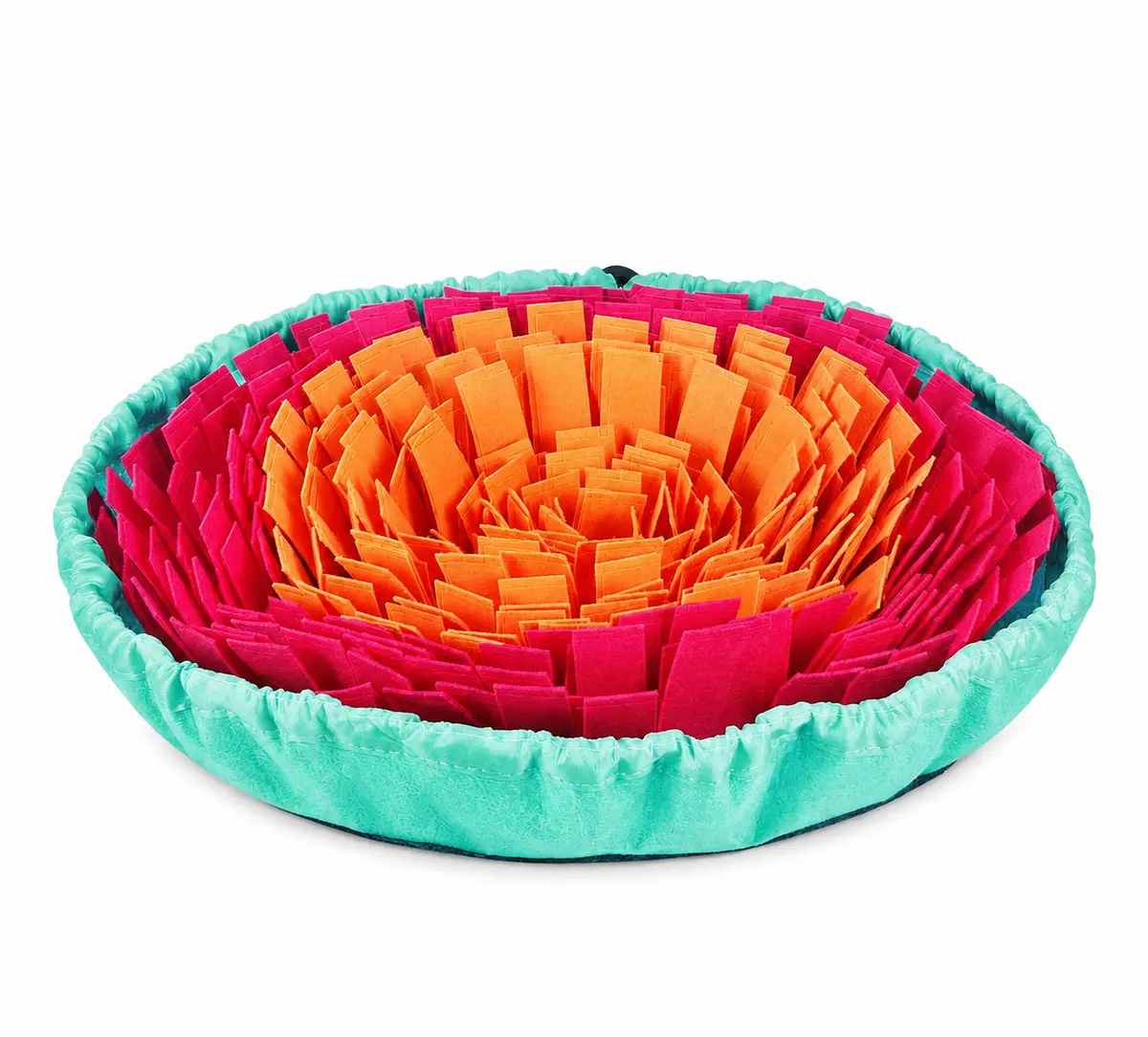
For a fish treat that is safer, the AKC says fully cooked, deboned salmon is fine in small amounts, while smoked salmon is not because of its salt. Read about cooked salmon and fish, or keep a food-lover busy with a snuffle mat or a treat ball.
This page is general information, not veterinary advice, and it cannot replace an examination by the vet who knows your pet.
Common questions
Can dogs eat sushi rice?
Plain cooked rice is usually fine in small amounts, but sushi rice is seasoned and sits with raw fish and sauces. The rice is not the main concern; the fish and salty sauces are.
Can dogs eat cooked sushi rolls?
Fully cooked fish is safer than raw, but rolls still contain seasoned rice, salty sauces and sometimes onion or garlic. It is better to give a plain piece of cooked fish instead.
Can dogs eat raw salmon?
No. Raw or undercooked salmon can carry parasites and bacteria, including the cause of salmon poisoning disease. Call your vet if your dog ate raw salmon, even if your dog seems well.
Can dogs eat seaweed from sushi?
Do not use sushi seaweed as a treat. It usually comes with seasoned rice, fish and sauce, and your vet can tell you whether any plain seaweed product suits your dog.
How long after eating raw fish do dogs get sick?
Merck says signs of salmon poisoning disease usually appear about 5 to 7 days after eating infected fish, but it can take up to 33 days. Other food-borne bacteria can cause upset much sooner.
Sources we checked
This guide is general information, not veterinary advice. If your pet is unwell or injured, contact your veterinarian.