Food safety
Can Dogs Eat Egg Whites? Yes, Cooked Only
Yes, dogs can eat egg whites when they are fully cooked and served plain. Raw egg whites are the problem: they can carry Salmonella, and they contain avidin, which can block the absorption of biotin, a B vitamin. The AKC says most veterinarians recommend cooking eggs fully. Offer cooked white as an occasional topper or training reward, in small amounts, and never as a replacement for a complete diet.
By Matt GarnettUpdated November 13, 20264 min read2 sources
Why cooked egg whites are fine
Egg white is mostly protein and water, and it is not toxic to dogs. Cooked plain, it is a lean, easy-to-chew treat. The AKC advises cooking eggs plainly, with no oil, butter, salt, seasonings or spices, and says scrambled and hard-boiled eggs are both fine as long as they are fully cooked.
That does not make egg whites a necessary part of your dog's diet. A complete and balanced dog food already supplies what a healthy dog needs, so think of a spoonful of cooked white as a small extra, counted in with the day's treats.
Why raw egg whites are a risk
Raw egg white contains avidin, a protein that can bind biotin and stop it from being absorbed. The AKC says feeding raw eggs can lead to a biotin deficiency, though it is rare in dogs, and the ASPCA notes that an enzyme in raw eggs can interfere with the absorption of certain vitamins and may lead to skin or coat problems. Cooking breaks this down.
The second concern is bacteria. The ASPCA lists raw meat and eggs as possible sources of Salmonella and E. coli, which can sicken both pets and people. Some dogs carry bacteria without showing signs, so wash bowls and hands after handling raw egg. If you want the full picture, read our page on raw eggs for dogs.
How to cook egg whites for your dog
Boil an egg until the white and yolk are fully set, cool it, peel it and chop the white into pieces small enough for your dog. Or scramble it in a dry non-stick pan with no butter or oil, and let it cool before serving. Skip salt, pepper, cheese, onion, garlic, ketchup and anything else added at the table.
Throw away eggs that are cracked, old or spoiled. The AKC notes that spoiled eggs can grow harmful bacteria. Keep cooked egg in the fridge and use it within a day or two, and do not leave it out in a bowl.
How much egg white by dog weight
There is no official dose, and the AKC says the right amount depends on a dog's size, age, activity level and health. As a cautious starting point for a healthy adult dog, a dog under 20 lb can have a spoonful or two of chopped cooked white, a dog of 20 to 50 lb about one cooked egg white, and a dog over 50 lb up to two.
Offer it only once or twice a week at first. Too many eggs can cause weight gain and push a complete diet past its calorie limit. Egg white is also fine without the yolk, but the yolk is richer, so count it as a fattier treat.
Puppies and egg whites
The AKC says puppies can have small amounts of cooked egg, with portions even more limited and introduced gradually. A teaspoon of chopped cooked white is plenty for a small puppy. Puppies' stomachs are sensitive, and treats should never crowd out their growth food.
If your puppy has an upset stomach, refuses food or seems unwell after trying egg, stop it and ask your vet before offering it again.
Signs trouble and when to call your vet
Watch your dog for several hours after a new food. The AKC says signs of salmonellosis include fever, vomiting, diarrhea and lethargy. Allergy signs after eating eggs include vomiting or diarrhea, itching or hives, swelling, or coughing and trouble breathing. Contact your vet promptly if you see any of these, and treat breathing trouble or facial swelling as an emergency.
If your dog has eaten a large amount of raw egg or a lot of eggs at once, or is unwell or has a health condition, call your vet for advice. Check with your vet before making eggs a regular part of your dog's diet.
What to give instead
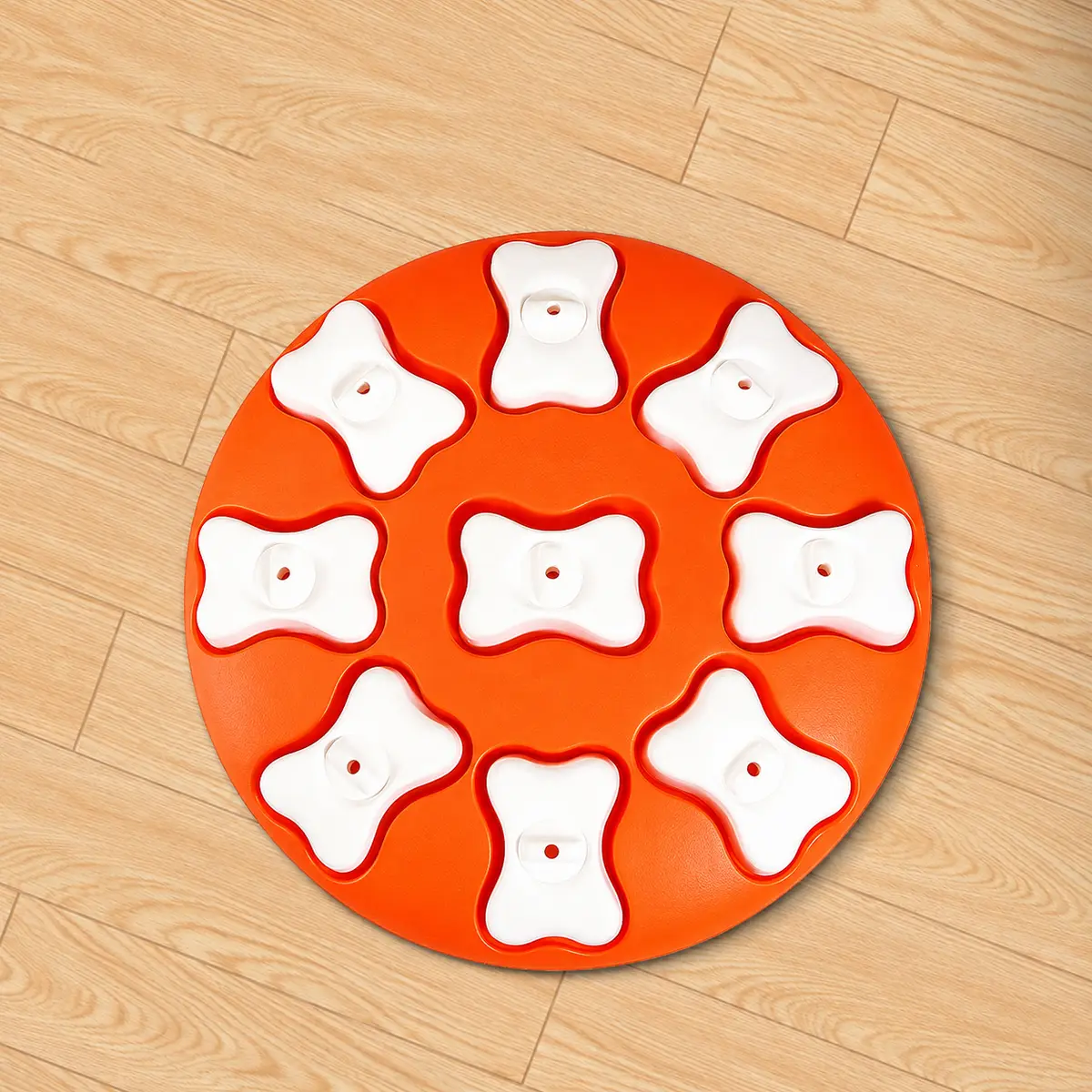
Cooked whole egg, plain cooked chicken or a few green beans make good low-calorie rewards, and our page on whether dogs can eat eggs covers yolks, shells and portion sizes. If you want to stretch a small treat, stuff it into a puzzle toy or spread it on a snuffle mat so it lasts longer.
This page is general information, not veterinary advice, and it cannot replace an examination by the vet who knows your pet.
Common questions
Can dogs eat raw egg whites?
It is best to avoid them. Raw whites contain avidin, which can block biotin absorption, and raw eggs can carry Salmonella. Most veterinarians recommend cooking eggs fully, according to the AKC.
Are egg whites better for dogs than whole eggs?
Whites are lower in fat than yolks, but a whole cooked egg is also fine for most healthy dogs. Either way, keep it to an occasional treat and count it toward your dog's daily calories.
Can dogs eat scrambled egg whites?
Yes, if they are fully cooked and made without butter, oil, salt or seasonings. Let the egg cool before serving, and keep the portion small, matched to your dog's weight.
Can dogs eat egg whites every day?
It is better to keep them an occasional treat. Eggs add calories and can push a complete diet past its limit, and the AKC says to check with your vet before making eggs a regular part of the diet.
Can dogs be allergic to egg whites?
Yes, some dogs react to eggs. The AKC lists vomiting or diarrhea, itching or hives, swelling, and coughing or trouble breathing as signs to contact your vet about.
Sources we checked
This guide is general information, not veterinary advice. If your pet is unwell or injured, contact your veterinarian.