Food safety
Can Dogs Eat Chicken Skin? Better Skip It
Chicken skin is not poisonous to dogs, but it is better to skip it. Skin is one of the fattiest parts of the bird, and veterinary sources name high-fat foods as one of the most common triggers for pancreatitis, an inflamed pancreas that can make a dog seriously ill. A stolen scrap rarely harms a healthy dog, but regular skin, or a whole plateful, is a real risk.
By Matt GarnettUpdated November 13, 20264 min read3 sources
Why chicken skin is a problem
Skin carries most of the fat in a piece of chicken. The AKC says a high-fat diet is one of the most common triggers for pancreatitis, and that in some dogs even one large serving of fatty food can bring on an episode. It lists holiday meals and table scraps among the frequent culprits.
The AKC page on plain chicken does not cover the skin specifically, but it recommends unseasoned roasted, poached, grilled or baked chicken, and VCA Hospitals suggests cooked, skinless chicken breast as a low-fat option. Taken together, the safer choice is the meat without the skin.
Dogs at higher risk
Any dog can get pancreatitis, but the AKC says risk is higher in dogs that are overweight, that raid the trash, and in certain breeds, including Miniature Schnauzers and some toy and terrier breeds. A dog that has had pancreatitis before should not be given fatty scraps at all, and your vet may recommend a low-fat diet for life.
Small dogs are also easier to overload: a handful of skin that is a snack for a large dog can be a large fatty meal for a 10 lb dog. If your dog is on a prescription diet, treats and people food count toward its fat intake, so ask your vet before offering any.
Fried, seasoned and rotisserie skin
The crisp skin from fried chicken, rotisserie chicken or restaurant wings is the worst version. It carries extra oil plus salt, spices and sometimes garlic or onion powder, which are toxic to dogs. The AKC recommends serving chicken unseasoned.
Cooked bones from the same bird are a separate danger. The AKC says cooked chicken bones splinter easily and can cause choking or puncture the digestive tract, so see our page on chicken bones for dogs if your dog got into the carcass.
If your dog already ate chicken skin
A small piece of plain skin in a healthy dog usually leads to nothing more than a possible upset stomach. Take the rest away, give fresh water and watch for the next day or so. Do not make your dog vomit or give any human medicine unless your vet tells you to.
If the skin was heavily seasoned or you think onion or garlic was involved, call your vet, the ASPCA Animal Poison Control Center at (888) 426-4435 or the Pet Poison Helpline at (855) 764-7661 straight away; a fee may apply.
Signs of pancreatitis and when to call your vet
The AKC lists a hunched back, repeated vomiting, abdominal pain or swelling, diarrhea, loss of appetite, dehydration, weakness or lethargy and fever. Pancreatitis can follow a fatty meal by a day or two.
See your vet as soon as possible if several of these signs appear together, and seek immediate care for dry gums, worsening lethargy, refusal to drink or being unable to keep water down.
Puppies and small dogs
Puppies have sensitive stomachs and tiny calorie budgets, so fatty skin does not belong in their bowls. If a puppy ate skin and has diarrhea, vomits or seems quiet, call your vet the same day.
For small adult dogs, a single thin piece is the most that is worth considering, and only if your vet has said your dog has no pancreatitis history.
Safer alternatives
Plain, boneless, skinless chicken breast is the better treat. See our page on whether dogs can eat chicken for how to cook it and how much to serve by weight. VCA says treats and toppers should stay under 10 percent of a dog's daily calories.
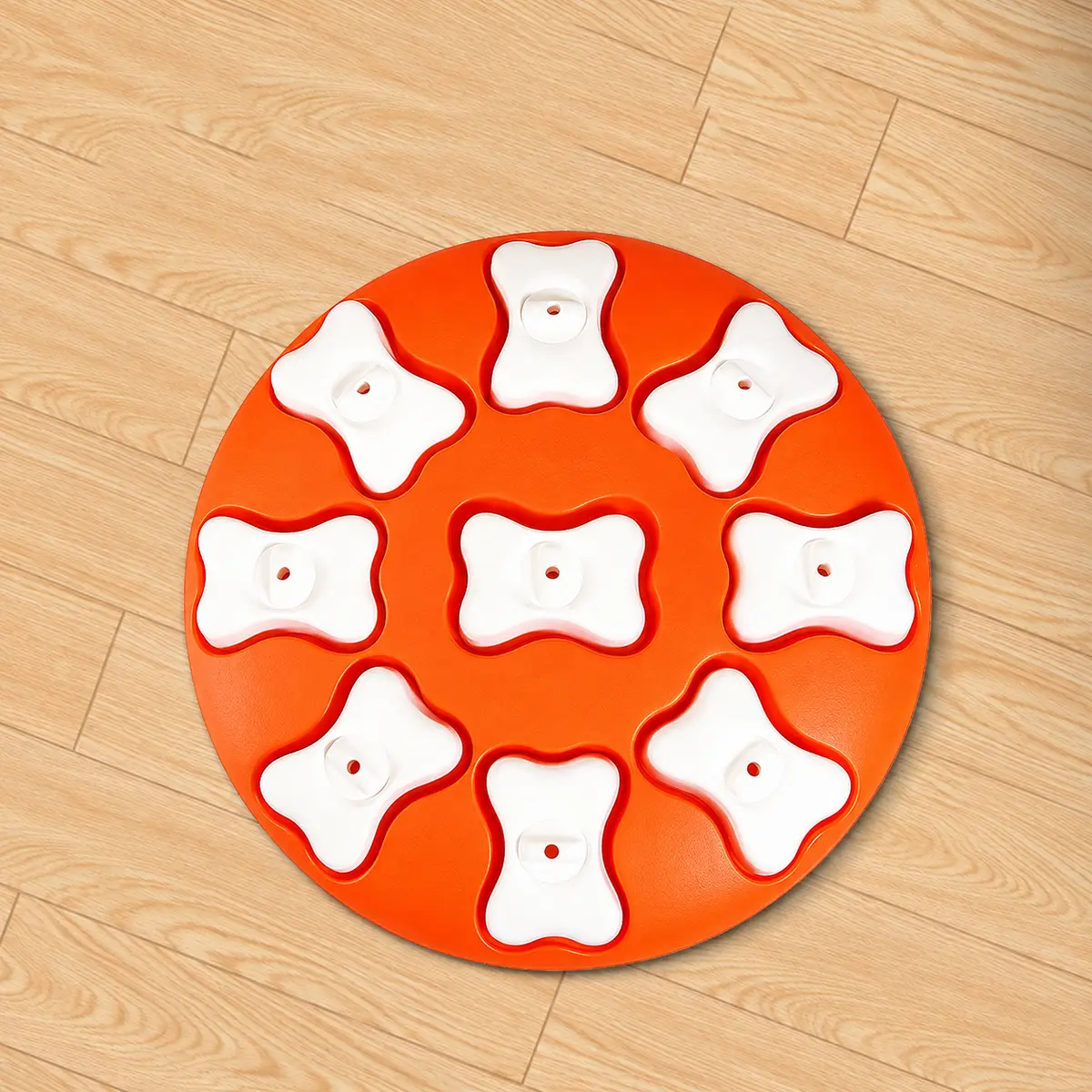
To make a small portion last, tuck cooked chicken into a puzzle toy or a snuffle mat. This page is general information, not veterinary advice, and it cannot replace an examination by the vet who knows your pet.
Common questions
Is chicken skin bad for dogs?
It is not toxic, but it is very fatty. High-fat foods are one of the most common triggers for pancreatitis, so most dogs are better off with skinless chicken, and some should never have skin.
Can dogs eat cooked chicken skin?
A small piece of plain cooked skin is unlikely to harm a healthy dog, but it is not a good treat. Seasoned, fried or rotisserie skin is worse because of the extra fat, salt and possible garlic or onion.
Can dogs eat chicken skin from a rotisserie chicken?
It is best to avoid it. It is greasy and often seasoned, sometimes with garlic or onion powder. If your dog ate a lot, call your vet, and call poison control if you suspect onion or garlic.
My dog ate chicken skin and is vomiting. What should I do?
Call your vet, especially if vomiting is repeated or comes with a hunched back, belly pain, diarrhea or lethargy. These can be signs of pancreatitis, which needs prompt veterinary care.
What can I give my dog instead of chicken skin?
Plain, boneless, skinless cooked chicken breast in small pieces is the safer choice. Keep treats under 10 percent of daily calories, as VCA advises, and ask your vet if your dog has had pancreatitis.
Sources we checked
This guide is general information, not veterinary advice. If your pet is unwell or injured, contact your veterinarian.