Food safety
Can Dogs Eat Chicken? Yes, Cooked, Plain and Off the Bone
Yes. Plain cooked chicken, taken off the bone, is one of the safest and most useful people foods you can give a dog. The American Kennel Club calls it a good source of protein and says unseasoned roasted, poached, grilled or baked chicken can be served alone, mixed into a meal or used as a treat. The risks are cooked bones, which splinter, fatty skin, garlic and onion in seasoning, and raw chicken, which can carry Salmonella.
By Matt GarnettUpdated November 13, 20264 min read3 sources
Why plain cooked chicken works for dogs
Chicken is lean animal protein, and it is already one of the most common ingredients in dog food. The AKC suggests unseasoned chicken cooked by roasting, poaching, grilling or baking, served on its own, stirred into a regular meal or cut up for training rewards.
Breast meat is the leanest cut; thigh meat is richer and still fine in small amounts. Plain chicken is not a complete diet on its own, though, because it lacks the balance of calcium, vitamins and other nutrients that a complete dog food provides. Use it as a topper or a treat, not a replacement.
Bones, skin and seasoning: what to remove
Always take cooked chicken off the bone. The AKC warns that cooked chicken bones splinter easily and can cause choking or a puncture in the digestive tract. Check breast meat for the thin rib and wishbone pieces that are easy to miss.
Remove the skin too, which is mostly fat; VCA warns that fatty foods like poultry skin can lead to pancreatitis. Rotisserie, fried, barbecued and lemon-pepper chicken usually carry salt, garlic or onion, and the ASPCA lists the onion family as harmful to dogs. If your dog ate chicken cooked with a lot of garlic or onion, call your vet, the ASPCA Animal Poison Control Center at (888) 426-4435 or Pet Poison Helpline at (855) 764-7661; a fee may apply.
Raw chicken, deli chicken and chicken nuggets
The AKC notes that most sources advise against raw chicken because of Salmonella and other bacteria, which can make dogs and the people handling the food sick. Cook chicken through until there is no pink and the juices run clear.
Deli chicken, canned chicken in brine and lunch meat are salty and processed. Breaded nuggets, tenders and wings are fried and seasoned, and wings come with small bones. A dog that steals a fast-food nugget is unlikely to be harmed, but none of these are good treats.
How to cook chicken for your dog
Put boneless, skinless chicken breast or thigh in a pan of plain water, bring it to a simmer and cook until the thickest part is white all the way through. You can also bake it with no oil, salt or seasoning. Let it cool, then shred it or cut it into small cubes.
For a dog under 20 lb, pieces the size of a pea work well as training treats. Store cooked chicken in the fridge for a few days, or freeze portions in a bag. The plain cooking water, cooled, can be poured over kibble as long as nothing was added to it.
How much chicken by dog size
As a treat for a healthy adult dog: under 20 lb, about one to two tablespoons of shredded chicken; 20 to 50 lb, up to a quarter cup; over 50 lb, up to half a cup. If you add chicken often, reduce the regular food slightly so your dog does not gain weight.
Do not switch a dog to a homemade chicken diet without your vet's help, because plain chicken alone is not balanced. If your dog has kidney disease, a known chicken allergy or eats a prescription diet, ask your vet before adding it.
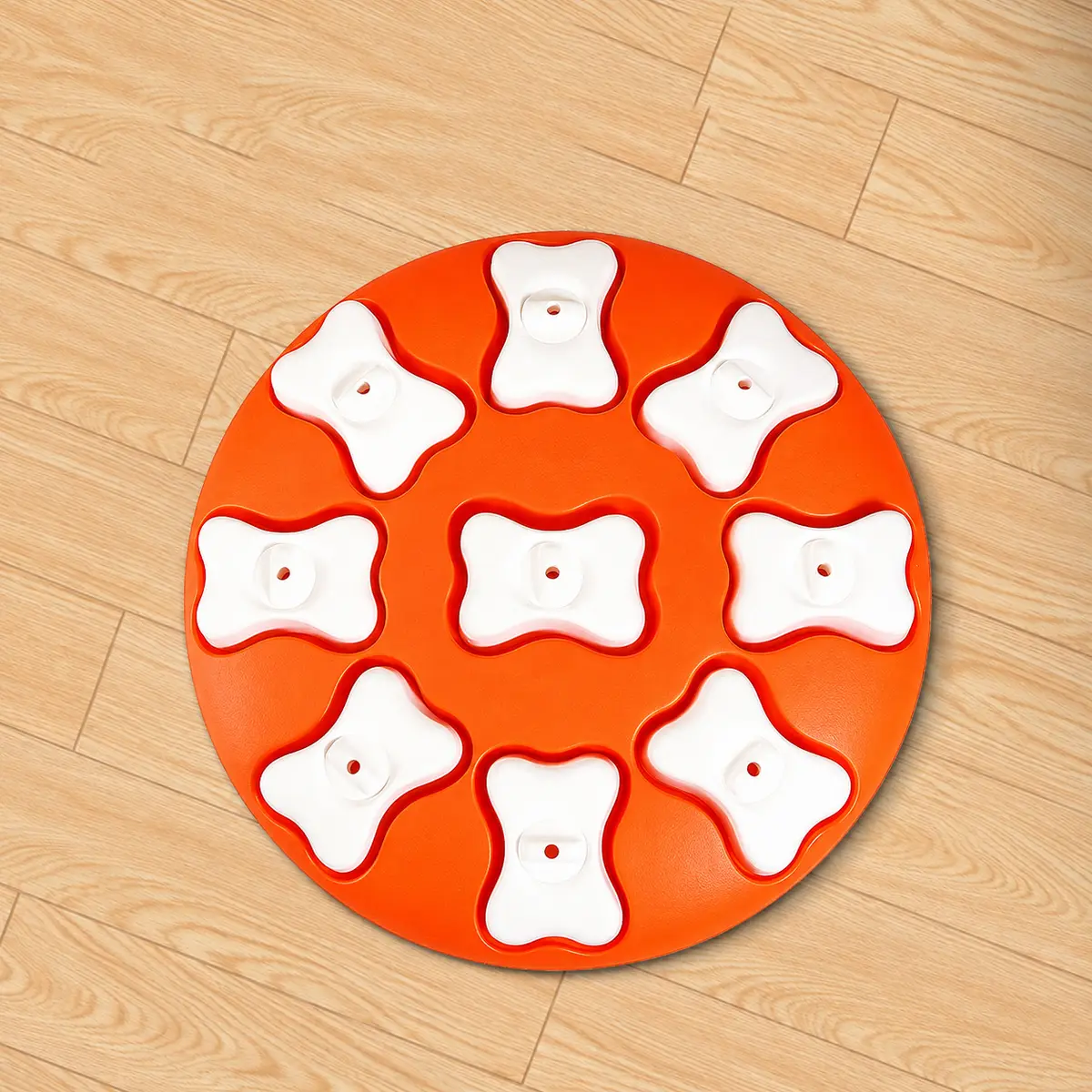
Spreading a few safe pieces across a snuffle mat or packing them into a puzzle toy turns a small treat into a few minutes of sniffing work.
Puppies and chicken
Weaned puppies can have small amounts of plain, boneless cooked chicken, and it makes an excellent high-value training treat. Shred it finely or cut it into pieces no bigger than a pea, because puppies gulp and a stringy piece can cause gagging.
Keep chicken to a small share of the day's food so a growing puppy still gets the balanced nutrition of a complete puppy food. Never give a puppy chicken bones, chicken skin or raw chicken.
Signs chicken disagreed with your dog, and when to call a vet
Most dogs handle plain chicken well. A big portion or a sudden change can cause a soft stool or one vomit, which usually settles within a day. The AKC notes that chicken is among the more common food allergens in dogs, which tends to show as itching, ear infections or recurring stomach upset, and is worth raising with your vet.
Call your vet the same day for repeated vomiting, blood in the stool, a sore belly or lethargy, especially after skin or fatty pieces. Choking, gagging, drooling or straining after your dog ate chicken bones means call straight away. If chicken does not suit your dog, try plain cooked turkey breast or green beans instead.
This page is general information, not veterinary advice, and it cannot replace an examination by the vet who knows your pet.
Common questions
Can dogs eat cooked chicken every day?
A small daily portion of plain cooked chicken is fine for most healthy dogs, as long as you cut back their regular food to keep calories steady and chicken does not replace a complete diet.
Can dogs eat rotisserie chicken?
Only plain inner meat with the skin, bones and seasoned outer layer removed. Rotisserie rubs often contain salt, garlic and onion, so plain home-cooked chicken is the safer choice.
Can dogs eat chicken skin?
It is best not to. Chicken skin is mostly fat and is often seasoned, and VCA warns that fatty foods like poultry skin can lead to pancreatitis in dogs.
Can dogs eat raw chicken?
Most sources advise against it, the AKC says, because raw chicken can carry Salmonella and other bacteria that can make dogs and people sick. Cook it through first.
Is chicken and rice good for a dog with an upset stomach?
Vets sometimes suggest plain chicken and white rice for a short time, but ask your vet first. If vomiting or diarrhea lasts more than a day or your dog is lethargic, get your dog seen.
Sources we checked
This guide is general information, not veterinary advice. If your pet is unwell or injured, contact your veterinarian.