Breeds
Keeshond: Temperament, Size, Lifespan & Care
A Keeshond is a friendly, outgoing, people-loving spitz with a plush coat, a plumed tail and the breed's famous spectacles. Kees adore their families, get along with children, strangers and other dogs, and are surprisingly easy to train. They are also alert barkers, they shed, and they want to be with you rather than left alone. Here is what to expect on size, lifespan, health, grooming and training.
By Matt GarnettUpdated November 14, 20264 min read3 sources
Keeshond temperament and personality
The AKC rates the Keeshond five out of five for affection, adaptability, playfulness, trainability and openness to strangers, and five out of five with young children and with other dogs. Kees are cheerful, sociable dogs that like being part of everything their families do.
They are also five out of five as watchdogs and four out of five for barking, so expect a Kees to announce visitors before welcoming them warmly. Historically, the AKC notes, they lived everywhere from farms to barges, and they still adapt to most homes.
How big do Keeshonden get?
The AKC lists male Keeshonden at about 18 inches tall and females at about 17 inches, with a weight of 35 to 45 pounds. They are square, sturdy spitz dogs with a foxy face, pointed ears, an abundant coat and a plumed tail carried over the back.
The spectacles, shadings and markings around the eyes that the AKC says give the impression of designer eyewear, are a breed hallmark and draw attention to an alert, intelligent expression. Under all that coat, keep your dog lean; feel for the ribs rather than judging by eye.
Keeshond lifespan and common health issues
The AKC says Keeshonden are generally a healthy, active breed that can live 12 to 15 years. The Keeshond Club of America recommends health tests before breeding, including hip and elbow x-rays, a patellar luxation exam and an eye exam, and the AKC lists patella, hip, elbow and eye evaluations as recommended tests.
VCA explains that a slipping kneecap can cause a skip in the step or a few strides on three legs, and that hip dysplasia is genetic but influenced by diet and growth. Ask breeders for parent results, and see your vet about any limp, stiffness or change in the eyes.
Exercise needs
The AKC says Keeshonden need regular exercise and love being with their families. A free run or a nice daily walk benefits them physically and mentally, after which they are happy to climb onto the sofa with you. Adjust the routine for age and health: puppies, seniors and overweight dogs need gentler, shorter sessions, and your vet can help set the right level.
Kees enjoy obedience, agility, trick training and therapy work. In warm weather, exercise early or late and keep plenty of water and shade available, as a thick double coat holds heat.
Keeshond grooming and shedding
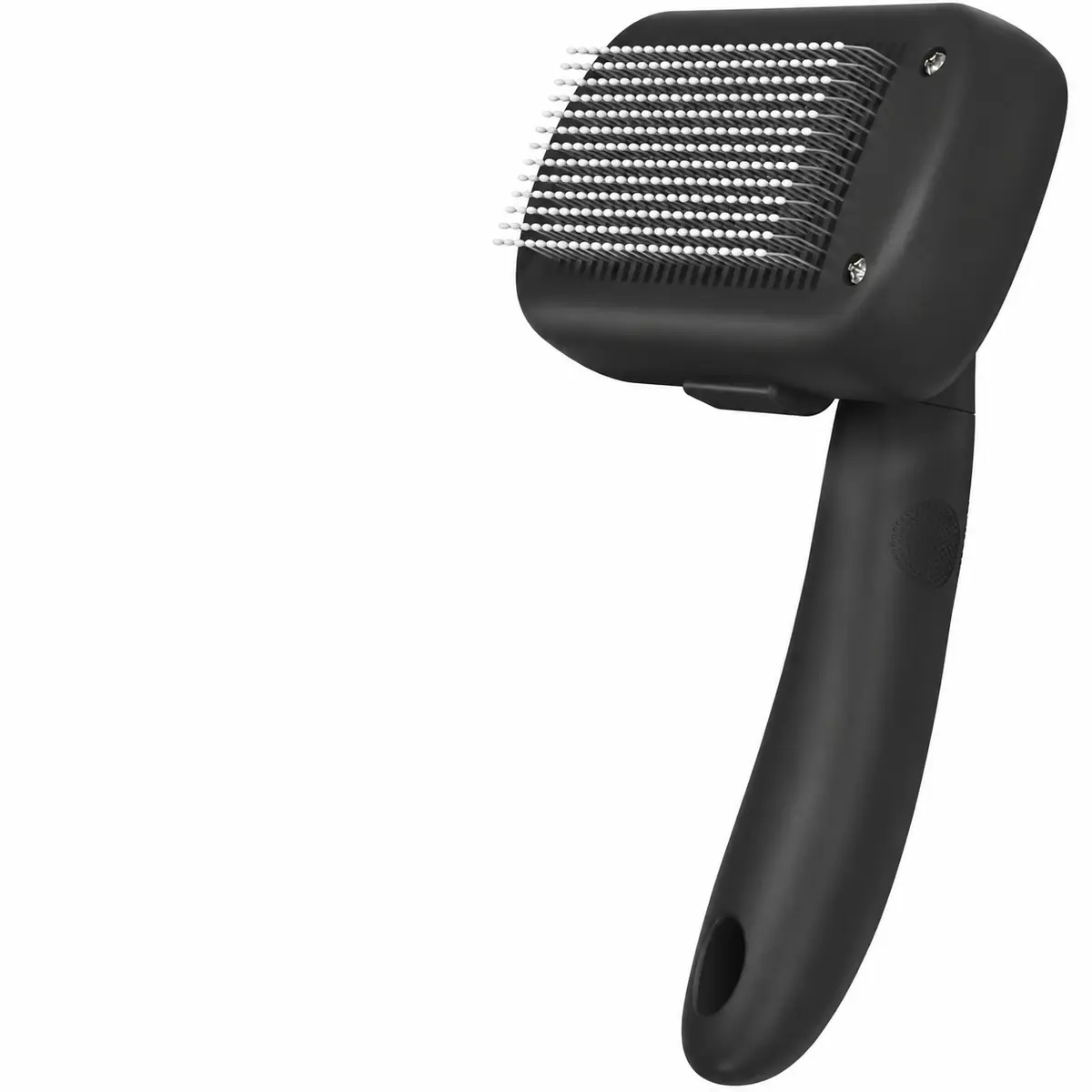
The AKC says Keeshonden do need regular grooming, but going through the coat once a week with a pin brush usually does the job and keeps shedding to a minimum. The only trimming needed is tidying around the feet, pads and hocks.
Shedding is three out of five on the AKC scale, heavier when the undercoat sheds. The AKC notes many pet owners brush at home weekly and book a groomer for a bath and blow-dry every four to six weeks, or do it themselves. Trim nails, check ears and brush the teeth regularly.
Training a Keeshond
The AKC calls it a well-kept secret that Kees are very smart and highly trainable. They excel at obedience and agility, learn quickly and are motivated to please their trainers, and many distinguish themselves in therapy work.
The AKC adds that the trainer has to keep up with them, as they can become bored, and suggests starting with a puppy between 10 and 14 weeks old. Keep training positive and varied. Teach a quiet cue early to manage the alert bark, and practice short periods alone so a people-loving dog learns to settle.
Are Keeshonden good with kids and other pets?
Yes, very often. The AKC rates the Keeshond five out of five with young children and with other dogs, and their sturdy build and cheerful nature make them good family companions. Whatever the breed, never leave a dog and a young child alone together, and always give the dog a quiet place to retreat.
Teach children to brush gently and not to pull the thick coat or plumed tail. Most Kees live happily with cats and other pets when introduced calmly, and many enjoy a canine friend at home.
What a Keeshond needs at home
Useful kit includes a pin brush, slicker brush and undercoat rake, small scissors for tidying feet, nail clippers, a dog toothbrush, a harness and leash, a crate and a cool bed. Puzzle and trick toys keep a bright mind busy.
Book a vet visit soon after bringing your Keeshond home and ask about hip, knee and eye checks and a grooming routine.
This page is general information, not veterinary advice, and it cannot replace an examination by the vet who knows your pet.
Common questions
How long do Keeshonden live?
The AKC says Keeshonden can live 12 to 15 years. Regular exercise, a lean weight, weekly grooming and routine vet checks help a Kees stay healthy and active into its teens.
How big does a Keeshond get?
The AKC lists males at about 18 inches and females at about 17 inches, weighing 35 to 45 pounds. They are sturdy, medium-sized spitz dogs.
What is a Keeshond's temperament like?
Friendly, outgoing, affectionate and smart. The AKC rates Kees top marks with children, strangers and other dogs, though they are alert barkers and love company.
Do Keeshonden shed a lot?
Moderately, with heavier sheds of the undercoat. A weekly session with a pin brush, as the AKC suggests, usually keeps shedding under control. Individual dogs vary, so meeting the parents, or the adult dog itself, is the best guide.
Sources we checked
This guide is general information, not veterinary advice. If your pet is unwell or injured, contact your veterinarian.