Health & vet care
Why Is My Cat Pooping Outside the Litter Box?
A cat that poops outside the litter box is usually telling you something is wrong with the box or with its body. The most common reasons are a box that is dirty, too small, in a bad spot or full of a litter the cat dislikes, followed by diarrhea, constipation, pain from arthritis and stress. Because medical causes are common and easy to miss, a vet check is the right first step.
By Matt GarnettUpdated November 14, 20265 min read4 sources
What it usually means
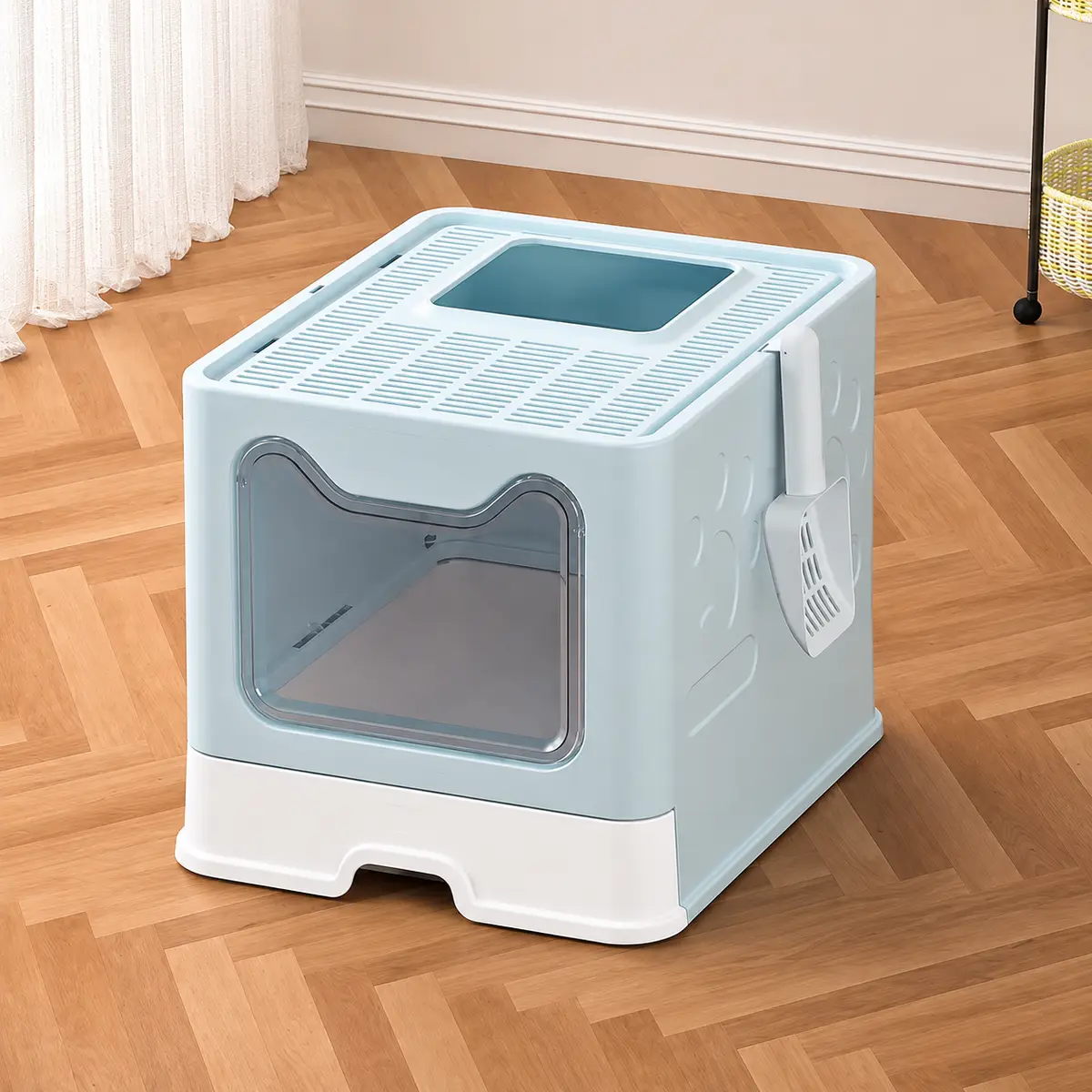
Litter box set-up is the most common cause. Cornell Feline Health Center and the ASPCA both list dirty boxes, too few boxes, boxes that are too small or covered, scented litter, a sudden change of litter and boxes in noisy or high-traffic places among the reasons cats go elsewhere. Some cats like to urinate in one box and pass stool in another, so a home with one box for one cat may see stool next to it. The Merck Veterinary Manual adds litter preference, unpleasant experiences at the box, difficulty getting in, fear and conflict between cats.
Digestive problems come next. Cornell notes that problems making defecation painful or urgent, or reducing control, can lead to accidents. A cat with diarrhea may simply not reach the box in time, while a constipated cat may connect the box with pain and start avoiding it. Pain elsewhere matters too: older cats with arthritis often find it hard to climb into a high-sided box or to squat comfortably, and Cornell notes that age-related changes in mobility or awareness can mean the box is not reached in time.
Stress is the other big group. A new pet, a new baby, building work, moving furniture, a change of routine, outdoor cats at the window or one cat guarding the box from another can all trigger accidents. Cornell is clear that cats do not soil out of revenge, so treat it as a symptom rather than misbehavior.
When to call your vet today
Call your vet the same day if your cat strains in the box or outside it with little or nothing produced, cries while passing stool, has diarrhea for more than a day, has blood or mucus in the stool, has passed no stool for two days or more, is vomiting, has stopped eating, or seems lethargic or hunched. Cornell notes that cats with medical problems behind house soiling may not look sick, so even a cat that seems fine deserves a visit if accidents keep happening.
Also call if a previously reliable cat suddenly starts going outside the box, if accidents come with weight loss, or if your cat is older and showing stiffness, reluctance to jump or other changes. Merck notes that vets first rule out medical problems because many conditions can cause a cat to urinate or defecate outside the box.
When it's an emergency
Go to your vet or the nearest emergency vet immediately if your cat is straining repeatedly and producing nothing, especially a male cat. Straining can look the same whether a cat is constipated or has a blocked bladder, and a urinary blockage is life-threatening within hours. Do not wait to find out which it is.
Other emergencies include repeated vomiting with a swollen or painful belly, collapse, very pale gums, severe bloody diarrhea, or string, ribbon or thread visible from the mouth or rear. Never pull on string you can see. Cornell warns that severe constipation that does not respond can progress to serious complications, so a cat that has not passed stool for several days needs prompt attention.
What you can safely do at home
While you arrange a vet visit, review the box. Scoop at least daily and replace all the litter weekly, as the ASPCA recommends. Provide one box per cat plus one extra, in different quiet spots on each floor, away from food and loud appliances. Use large, uncovered boxes with unscented, fine clumping litter about one to two inches deep. For an older or stiff cat, use a box with one very low side or a cut-down storage tote.
Clean accidents thoroughly with an enzymatic pet-odor cleaner, and avoid ammonia and vinegar, which Cornell and the ASPCA say can draw a cat back to the spot. Put food bowls or a bed on the soiled area, or place a box there temporarily. Never punish, shout or rub your cat's nose in it; Cornell and Merck both say punishment increases anxiety and can make soiling worse. Do not give any human or pet medicines, laxatives or supplements unless your vet tells you to.
What the vet will likely check
Expect questions about when the accidents started, where they happen, how many boxes you have, where they are, how often you clean them and what litter you use. Merck lists these as the details vets gather. Bring a photo of the box set-up and, if you can, a fresh stool sample in a sealed bag.
The exam usually includes feeling the belly for hard stool, checking joints and spine for pain, and checking weight and hydration. Your vet may suggest a fecal test for parasites, blood and urine tests, and sometimes X-rays to look for constipation or other problems. Once medical causes are ruled out or treated, your vet can help with a behavior plan, which may include anti-anxiety support where stress is a major factor.
Prevention
Keep the box clean, plentiful and easy to reach, and change one thing at a time when you do make changes, introducing a new litter gradually by mixing it with the old. Keep your cat well hydrated, since dry, hard stool is harder to pass; wet food, extra water bowls and a fountain for cats that like one all help, and Cornell lists good hydration and fiber among the ways vets manage constipation. Ask your vet before changing the diet.
Regular brushing reduces swallowed hair, which can contribute to hard stool, and keeping your cat at a healthy weight makes squatting and grooming easier. In multi-cat homes, spread boxes and resources out so no cat can guard them. Daily play reduces stress, and Cornell lists boredom among the triggers for soiling.
This page is general information, not veterinary advice, and it cannot replace an examination by the vet who knows your pet.
Common questions
Why does my cat pee in the litter box but poop on the floor?
Some cats prefer separate places for urine and stool, so a single box can lead to stool beside it. Discomfort when passing stool, such as constipation or arthritis, can also make the box feel unpleasant. Add a second box and see your vet.
Can stress make a cat poop outside the litter box?
Yes. Changes at home, new pets, visitors, outdoor cats or conflict between cats can all trigger accidents. Rule out medical causes with your vet first, then reduce stress and keep the boxes clean and easy to reach.
Why is my older cat pooping outside the litter box?
Arthritis, constipation, kidney or thyroid disease and age-related changes in awareness are common in older cats. A box with a very low entry on every floor helps, but your older cat should be checked by your vet.
Should I punish my cat for pooping on the floor?
No. Punishment increases fear and anxiety and usually makes the problem worse. Clean the spot with an enzymatic cleaner, improve the litter box set-up and have your vet look for a medical cause.
Sources we checked
This guide is general information, not veterinary advice. If your pet is unwell or injured, contact your veterinarian.