Food safety
Can Puppies Eat Grapes? No — Grapes Are Toxic to Puppies
No. Grapes, raisins and currants are toxic to puppies and can damage the kidneys, so if your puppy ate any, call your vet, the ASPCA Animal Poison Control Center at (888) 426-4435 or Pet Poison Helpline at (855) 764-7661 now; a fee may apply. The American Kennel Club says grapes and raisins are highly toxic and that even a few can cause problems. A puppy's small body makes each grape a bigger dose, and puppies find dropped fruit faster than anyone.
By Matt GarnettUpdated November 13, 20264 min read4 sources
What to do right now if your puppy ate a grape
Pick up any grapes or raisins still on the floor and count what is missing if you can. Note the time, whether they were grapes, raisins or something containing them, and your puppy's weight. Then call your vet or a poison line straight away, even if your puppy seems fine.
Do not wait for signs, and do not make your puppy vomit at home unless a vet tells you to. Pet Poison Helpline advises calling them or seeking immediate veterinary treatment, and early treatment gives a puppy the best chance.
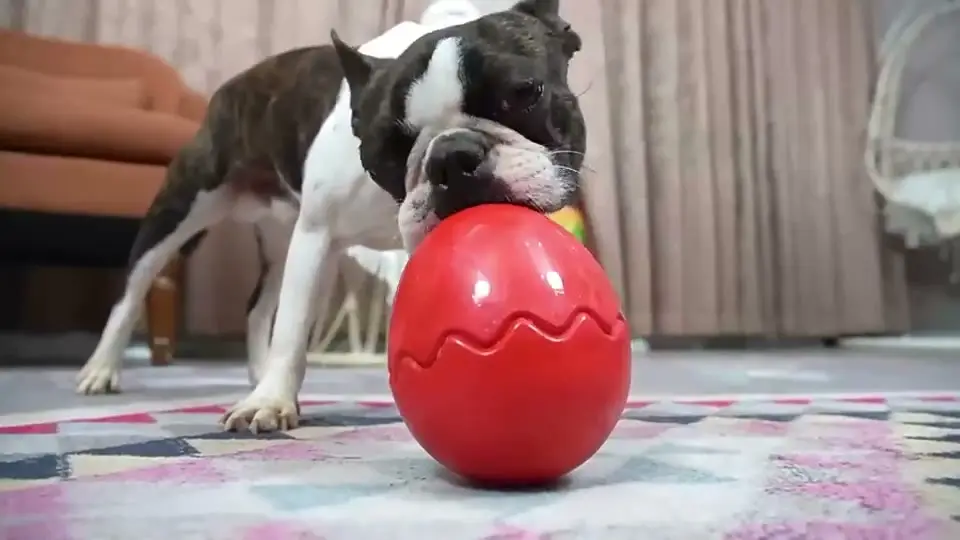
If you like to share small snacks, a lick mat or a treat ball makes a little go further and slows a fast eater down.
Why grapes are dangerous
The ASPCA says tartaric acid is thought to be the toxic component in grapes and raisins, and that because dogs cannot process it, eating grapes or raisins can lead to kidney damage. Pet Poison Helpline lists grapes, raisins, sultanas and currants among the fruits toxic to dogs.
No safe amount has been established, and how a dog reacts depends on the amount eaten and the dog's size. That is why vets treat any grape or raisin eaten by a puppy as something to act on, rather than something to watch.
Why puppies are at higher risk
Size is the main reason. A grape or two in a 70 lb adult is a small dose for that body; the same grapes in an 8 lb puppy are close to ten times as much for its weight. Raisins are concentrated grapes, so a small box from a lunch bag holds a lot for a puppy.
Behavior is the other. Puppies explore with their mouths and eat whatever drops at child height: grapes rolling under a high chair, raisins from a snack box, trail mix on a coffee table. A puppy will swallow a grape whole, and a whole grape is also a choking risk in a toy-breed puppy.
Where puppies find grapes and raisins
Keep fruit bowls and lunch boxes off low tables and out of backpacks left on the floor. Check the ingredients of breakfast cereal, granola bars, oatmeal cookies, bagels, fruit cake and hot cross buns, all of which can contain raisins or currants. The AKC also warns about raisin bread.
Grapevines in a backyard drop fruit in late summer and fall. Keep a puppy away from vines, and pick up fallen fruit before letting your puppy out.
Signs of grape poisoning, and when to call a vet
Pet Poison Helpline says signs start with gastrointestinal upset, such as vomiting or diarrhea, followed closely by kidney injury. Vomiting in the hours after eating grapes, sometimes with pieces of grape in it, is a common first sign.
Go to a vet immediately if your puppy vomits, has diarrhea, stops eating, seems weak or very tired, has a painful belly, drinks and urinates much more or much less than usual, or stops urinating. Do not wait for these signs if you know your puppy ate grapes.
How vets usually treat it
Treatment depends on how much your puppy ate and how long ago. VCA says treatment includes decontamination, intravenous (IV) fluids and bloodwork monitoring, with the aim of stopping the toxin being absorbed and limiting kidney damage.
VCA notes that vomiting or diarrhea usually starts within 12 to 24 hours, and that more severe signs tend to appear 24 to 48 hours after eating, often once kidney damage has begun. A dog treated promptly, before signs appear, generally has a good outlook, which is why calling straight away matters. Follow their plan for rechecks even if your puppy seems back to normal.
Safe fruit for puppies instead
Once your puppy is settled on puppy food, a few safe fruits can be offered in tiny pieces: blueberries cut in half, a fingertip of mashed ripe banana, or a small cube of peeled, cored apple. Introduce one at a time and keep treats to a small share of the day's food.
Teach the whole household, including children and visitors, that grapes and raisins are never shared with the puppy, and keep them in the fridge or a closed cupboard.
This page is general information, not veterinary advice, and it cannot replace an examination by the vet who knows your pet.
Common questions
How many grapes are toxic to a puppy?
No safe amount has been established, and the AKC says even a few can cause problems. Call your vet or a poison line about any grape or raisin your puppy ate.
My puppy ate one grape. What should I do?
Call your vet or a poison helpline now. One grape is a bigger dose for a small puppy, and treatment works best before any signs appear.
Are raisins worse than grapes for puppies?
Raisins are dried grapes, so they pack the same fruit into a smaller piece and a puppy can eat many quickly. Both are toxic and both need a call to your vet.
Can puppies eat grape jelly?
It is best not to. Grape jelly is made from grapes and is mostly sugar. If your puppy ate some, call your vet or a poison line for advice.
How long after eating grapes does a puppy get sick?
Vomiting can start within hours, and Pet Poison Helpline says kidney injury follows the stomach upset. Call your vet immediately rather than waiting for signs.
Sources we checked
This guide is general information, not veterinary advice. If your pet is unwell or injured, contact your veterinarian.