Food safety
Can Puppies Eat Carrots? Prepare Small Plain Pieces
Yes, a weaned puppy may have plain carrot as an occasional extra when the preparation suits its size and feeding ability. AKC permits raw or cooked carrots but emphasizes cutting them into bite-size pieces to prevent choking. A whole carrot is not automatically an appropriate puppy chew. Keep complete food for growth as the main diet, supervise any snack, and ask your veterinarian about texture or feeding-stage concerns.
By Matt GarnettUpdated November 13, 20264 min read4 sources
A vegetable snack follows the puppy’s feeding stage
VCA’s birth-to-weaning guidance describes the transition from nursing to puppy food. Carrot advice concerns a puppy already eating an appropriate growth diet, not an unweaned animal needing milk support. If nursing or the transition to normal food is not going well, contact the veterinarian rather than trying a vegetable as a substitute.
Explain the puppy’s age, usual food, appetite, and activity when asking for advice. Do not assume that chewing something found in the kitchen establishes readiness for a new diet. A puppy refusing normal food needs its feeding situation assessed, rather than repeated attempts to tempt it with different human snacks.
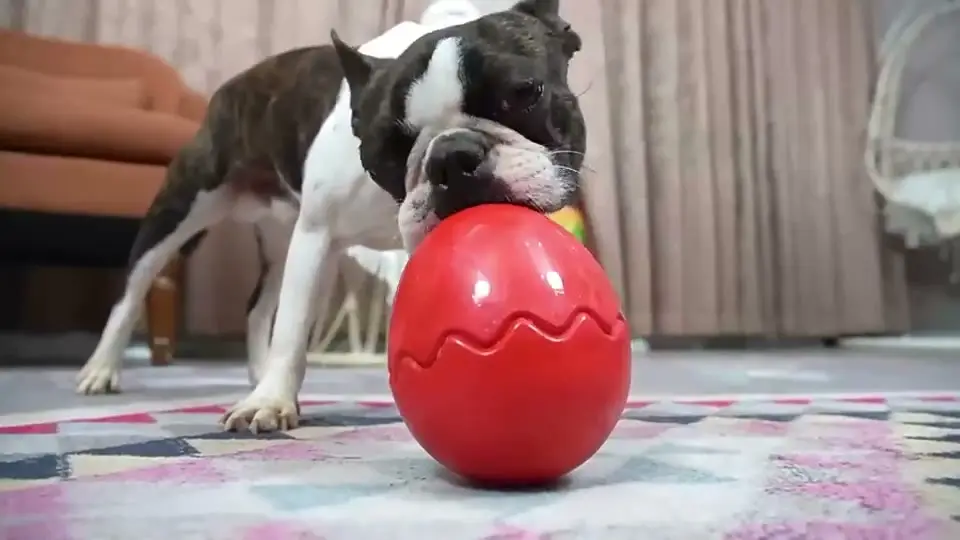
If you like to share small snacks, a lick mat or a treat ball makes a little go further and slows a fast eater down.
Wash and cut before the puppy reaches the food
AKC recommends thoroughly washing or peeling carrots and cutting whole carrots and carrot sticks into manageable bite-size pieces. The physical preparation matters even though the vegetable itself is suitable. Do not hand over an unprepared stick and rely on the puppy to choose pieces appropriate for its own mouth.
Set aside the intended portion before a training session or the family meal. Keep the cutting area and discarded material out of reach while preparing it. Stay nearby as the puppy eats, stop if it coughs or struggles, and seek emergency veterinary help for choking or breathing difficulty rather than continuing the snack.
Choose a texture around the individual puppy
AKC describes raw and cooked carrots as acceptable options and advises asking the veterinarian about individual feeding concerns. Cooking can provide a different texture, but an approved food still needs appropriate sizing. Prepare a plain portion and allow cooked pieces to cool before offering them under supervision.
Ask before using a large or very hard carrot as a teething object. The question of a small food reward is different from choosing something for prolonged chewing. Report mouth pain, bleeding, difficulty eating, or a suspected tooth problem directly to the clinic instead of assuming a vegetable can manage the concern.
Protect the growth diet while using rewards
VCA’s general feeding guidance emphasizes complete nutrition appropriate for life stage. Carrots do not supply the full balance a growing puppy needs, and a safe vegetable list is not a recipe for homemade puppy meals. Keep the selected growth food as the foundation rather than replacing part of it without veterinary advice.
AKC’s treat guidance explains that rewards add calories alongside meals. Count all extras given during training and by other household members, not just the portion you personally offered. If you are uncertain about the total or the puppy’s growth, bring the normal food and treat details to the veterinarian instead of copying another dog’s routine.
Keep the recipe plain and the response easy to describe
A carrot in a prepared side dish, soup, cake, or seasoned meal is different from an identifiable plain piece. Check the entire recipe rather than applying advice about the vegetable to everything named after it. Save a plain portion before finishing the human meal or choose a familiar permitted reward.
Introduce an approved extra modestly without several unfamiliar foods at once. Stop and contact the veterinarian about vomiting, diarrhea, appetite changes, unusual tiredness, or another concerning change. Record what was offered and when. Do not diagnose an allergy at home or repeatedly offer carrot as a test of whether it caused the signs.
Do not insist on carrot when it does not fit
A puppy does not need to enjoy this optional snack. Put it away if the puppy ignores it, struggles with the texture, or has a restriction discussed with the veterinarian. Part of the usual food, play, or attention may suit the reward instead. Seek prompt advice when a young puppy cannot eat or drink normally, and do not force food or give human medication.
This page is general information, not veterinary advice, and it cannot replace an examination by the vet who knows your pet.
Common questions
Can an unweaned puppy have carrot instead of milk?
No. Ask the veterinarian about nursing or feeding-stage concerns rather than substituting a vegetable. This optional-snack advice concerns a puppy already eating an appropriate complete growth diet.
Can I give my puppy a whole carrot to chew?
Do not assume a whole carrot suits the individual puppy. AKC emphasizes cutting carrots to prevent choking. Ask the veterinarian about an appropriate texture or chewing option and supervise any permitted snack.
Should a puppy’s carrot be raw or cooked?
AKC permits both preparations, but sizing and individual feeding ability still matter. Keep it plain, let cooked pieces cool, and ask the veterinarian about texture if the puppy has difficulty chewing or swallowing.
What if my puppy does not want carrot?
Put it away. The vegetable is optional and cannot replace appropriate complete growth food. Use another suitable reward, and contact the veterinarian if the puppy is also refusing its normal meals or seems unwell.
Sources we checked
This guide is general information, not veterinary advice. If your pet is unwell or injured, contact your veterinarian.