






Care & how-to
Why Do Dogs Like Balls So Much?
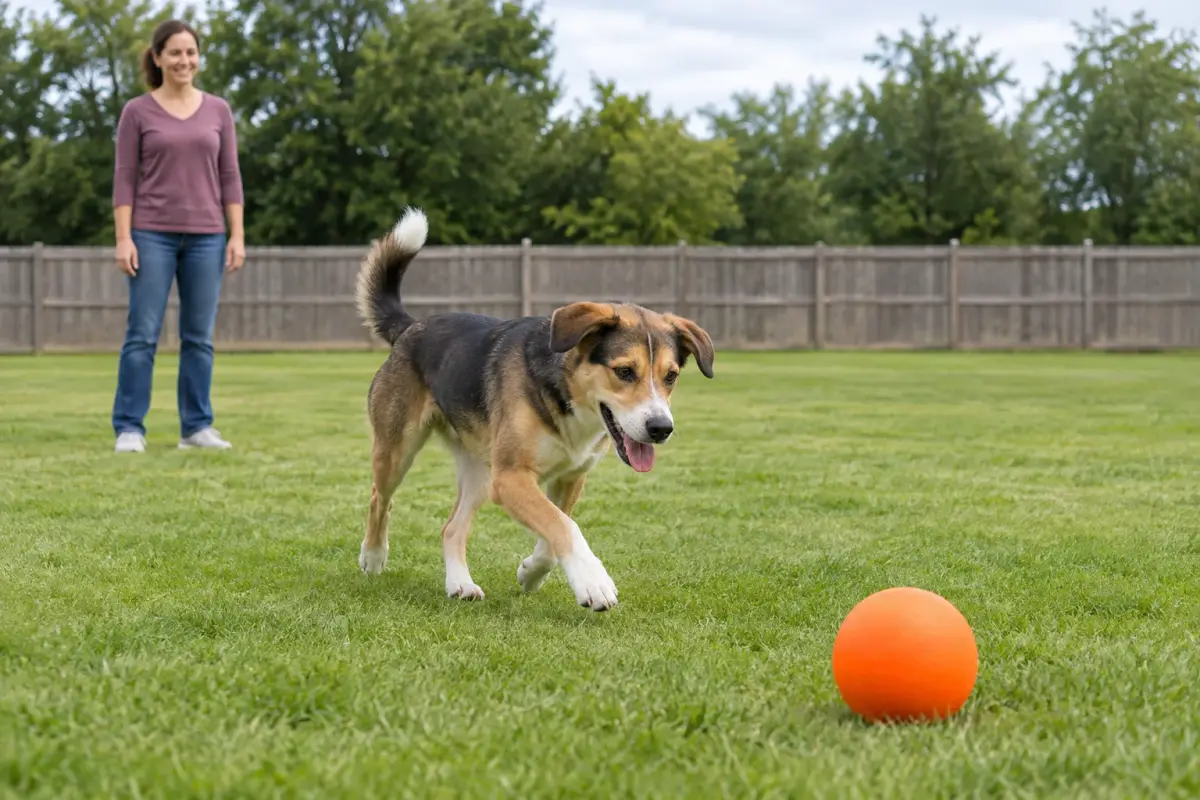
Dogs love balls because a rolling, bouncing ball sets off one of the strongest instincts they have: the urge to chase. The AKC explains that dogs still carry some of their wolf ancestors' predatory drive, and that chasing is a highly self-rewarding behavior. Fetch turns that instinct into a game you share. Retrievers, herding breeds and sighthounds often love balls most, because they were bred for jobs built on chasing, gathering or retrieving.
By Matt GarnettUpdated November 14, 20264 min read3 sources
The chase instinct
Wolves are predators that chase other animals to survive, and the AKC points out that dogs, despite centuries of breeding for different purposes, still keep some of that heritage. A ball that zips away and bounces unpredictably looks a lot like fleeing prey, which is why even a dog who ignores most toys may come alive when one of our dog balls rolls past.
The AKC describes chasing as a highly self-rewarding behavior: the run itself feels good, so dogs want to do it again and again. That is why many dogs drop the ball at your feet the moment they get back. The AKC also notes many dogs enjoy the chase more than the return, which you can use in training by making the next throw the reward for bringing it back.
Why some breeds are ball-crazy
Retrievers such as Labradors and Golden Retrievers were bred to fetch and carry game, so picking something up and bringing it back is deeply rewarding for them. Herding breeds such as Border Collies and Australian Shepherds have strong chasing and gathering urges, which the AKC links to their work with livestock.
Sighthounds such as Whippets and Greyhounds were bred to chase fast-moving prey by sight, though many prefer chasing to retrieving. Terriers may want to catch and shake the ball. Knowing your dog's background helps you choose the right game, whether that is fetch, a flirt pole, tug or a herding ball.
Why the ball itself matters
Dogs tend to prefer toys that act like prey, the AKC notes, and balls are perfect: they move fast, change direction and bounce. A squeak, a fun texture (a cotton rope ball, say) or a bit of give in the mouth can make one ball far more exciting than another. Novelty helps too, so a new or rotated ball often wins.
Your involvement matters most of all. The AKC says many dogs are far more excited about toys when their person joins in, which is why a ball lying in the yard gets ignored while the same ball in your hand gets full attention. Fetch is social play as much as it is chasing.
When ball love becomes an obsession
Some dogs fixate on balls to the point that they cannot settle, stare at the ball for hours, guard it or chew it constantly. Signs it has tipped too far include not being able to relax unless the game continues, ignoring water and rest in hot weather, and frantic behavior when the ball is put away.
To keep it healthy, set a clear start and end to ball games, mix in other activities such as sniff walks, puzzle toys and treat-dispensing balls such as the food-leaking ball, and put the ball away out of sight afterward. The AKC suggests switching to a different toy if your dog chomps on balls obsessively. A trainer can help if your dog cannot switch off.
Playing fetch safely
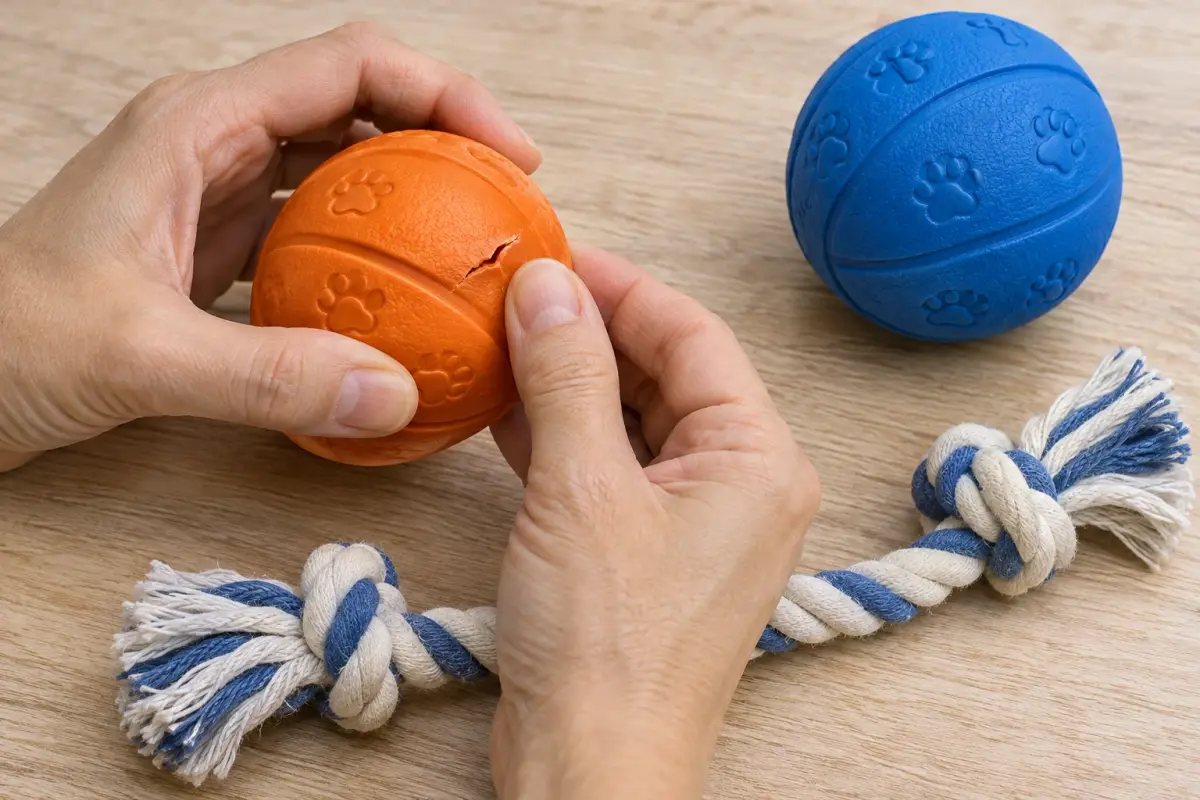
Choose a ball too big to slip down your dog's throat. The AKC warns that tennis balls can be broken by strong chewers and half a ball can block the airway, and that the fuzz wears teeth down if chewed constantly, so a solid rubber ball suits heavy chewers better; browse dog balls and toys for aggressive chewers with that in mind. Let your dog carry only one ball at a time.
Throw on grass rather than hard ground, keep throws low for young dogs to avoid repeated high jumps, and stop before your dog is exhausted, especially in warm weather. Fetch with a puppy should be short and at the puppy's own pace.
When to talk to your vet
If your dog suddenly loses interest in a game they always loved, limps after playing, seems stiff the next morning or struggles to catch, mention it to your vet, because pain or vision changes can show up first in play. Call straight away if your dog chokes or swallows part of a ball.
This page is general information, not veterinary advice, and it cannot replace an examination by the vet who knows your pet.
Common questions
Why do dogs chase balls?
Chasing comes from the predatory drive dogs inherited from wolves, and the AKC calls it highly self-rewarding. A bouncing ball moves like prey, so chasing it feels good and dogs want to repeat it.
Why does my dog bring the ball back but not let go?
Many dogs enjoy the chase more than giving up the prize. Teach a drop cue by trading the ball for a treat or a second ball, and use the next throw as the reward for letting go.
Is it bad if my dog is obsessed with balls?
It can be if your dog cannot settle, ignores rest and water or guards the ball. Set clear limits, put the ball away after games and add other activities. A trainer can help with true obsession.
Sources we checked
This guide is general information, not veterinary advice. If your pet is unwell or injured, contact your veterinarian.


