Care & how-to
When Can Puppies Go Outside?
Puppies can go outside into your own yard for potty breaks from the day they come home. What they should avoid until their vaccine series is complete, usually around 16 weeks, is ground used by unknown dogs: dog parks, pet store floors, rest stops and busy sidewalks. In the meantime, carry them to new places and arrange play with healthy, vaccinated dogs you know.
By Matt GarnettUpdated November 13, 20263 min read3 sources
Why timing matters: parvo and other diseases
Young puppies are vulnerable to parvovirus, distemper and leptospirosis, which can be spread through other dogs' feces, urine or direct contact. Parvovirus in particular survives in the environment for a long time and can be carried in on shoes. A puppy is not fully protected until it has had the whole vaccine series, usually finishing at or after 16 weeks.
One shot is not enough. Puppies need two to three or more doses because their mother's antibodies interfere with early vaccines, and nobody can tell exactly when an individual puppy's protection takes hold. That is why vets advise caution about public dog areas until the series is finished.
What is safe before vaccines are complete
Your own yard is generally fine for potty breaks and play, as long as unknown or unvaccinated dogs have not been using it. Friends' homes and yards are fine too, if their dogs are healthy, vaccinated and friendly. Short car rides, sitting on a bench while people pass, and visiting a friend's porch are all safe ways to start socialization.
Carry your puppy, or use a wagon or stroller, when you want to show them busier places like a farmers market or a store parking lot, so their paws stay off ground that other dogs have used. Many puppy classes accept puppies after the first round of shots if they require vaccine records and keep the space clean.
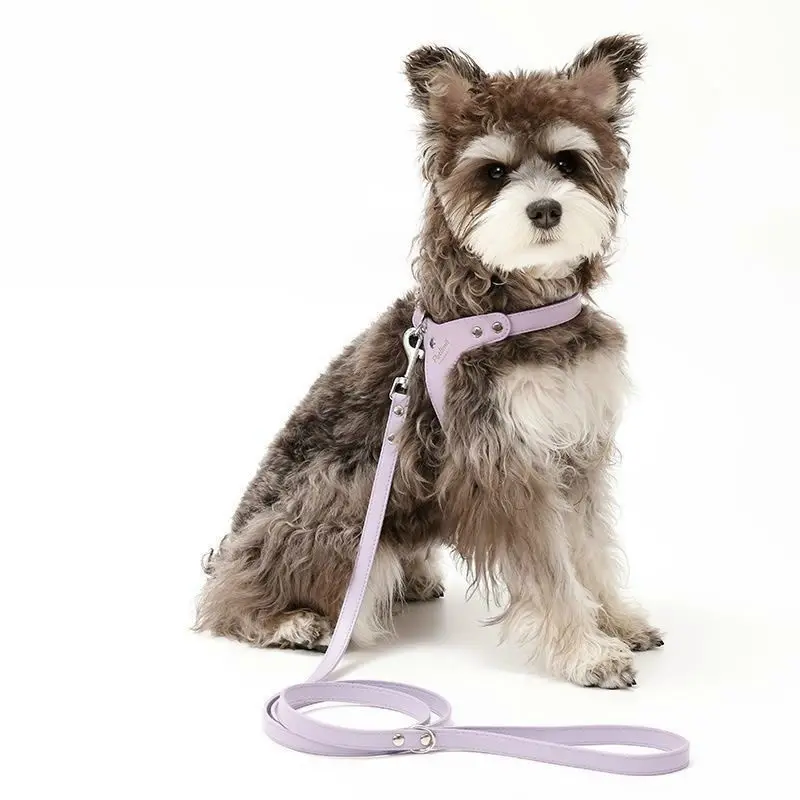
Prepare for the walks your vet clears with puppy harnesses and puppy leashes, checking fit before the first outing.
What to avoid until your vet gives the all-clear
Hold off on dog parks, pet store floors, boarding kennels, grooming salons that are not cleaned between dogs, highway rest stops and popular dog-walking trails. These places have heavy traffic from dogs whose vaccine status nobody knows.
Also keep your puppy away from wildlife and wildlife droppings. Wild animals such as raccoons, skunks and foxes can carry distemper and other infections that unvaccinated puppies are vulnerable to. Pick up after your own puppy promptly as well.
Walks, trails and dog parks: a rough timeline
Once your vet confirms the final puppy shots are done, usually around 16 weeks, you can start short walks in public areas. Some vets like to wait about one to two weeks after the last booster so the immune response can build. The AKC suggests waiting 7 to 10 days after the full series before trying a dog park.
Even then, start slowly. Keep early walks short and let your puppy sniff and explore; growing joints do not need long hikes. At the dog park, choose quiet times, keep your puppy leashed or in a small-dog area at first, and leave if other dogs are rough or bullying.
Common questions
Can my puppy go in my backyard before vaccinations?
Usually yes, especially if no unknown or unvaccinated dogs have used the yard. It is the safest place for potty breaks. Ask your vet if a previous dog in the home had parvovirus.
When can I walk my puppy on the sidewalk?
Most vets suggest waiting until the vaccine series is complete, usually around 16 weeks, and sometimes a week or two longer. Until then, carry your puppy on outings.
Can puppies go outside in winter?
Yes, for short potty breaks and play, but young and small puppies lose heat quickly. Keep trips brief in cold weather, dry them off afterward, and watch for shivering.
Can my puppy go to puppy class before all its shots?
Many reputable classes accept puppies after the first round of vaccines, with records checked for every puppy. Ask your vet about local disease risk before signing up.
Sources we checked
This guide is general information, not veterinary advice. If your pet is unwell or injured, contact your veterinarian.