Care & how-to
Medium-Sized Dog Breeds: Which One Fits Your Life?
Medium-sized dog breeds generally weigh about 25 to 60 pounds and include the Beagle, Cocker Spaniel, Border Collie, Australian Shepherd, Bulldog and English Springer Spaniel. Most live 12 to 15 years. They are big enough for hiking and rough play yet small enough for most homes and cars, but medium covers huge differences in energy, so this guide groups the popular breeds by what they need from you.
By Matt GarnettUpdated November 9, 20265 min read4 sources
What counts as a medium-sized dog?
There is no official definition, since the AKC groups breeds by function rather than size. Most people mean an adult dog of roughly 25 to 60 pounds that stands about 15 to 23 inches at the shoulder. That covers dogs from a 13-inch Beagle at the bottom to an Australian Shepherd at the top, and it is the range this guide uses.
Medium is often described as the sweet spot. These dogs are sturdy enough to play safely with older children and keep up on long walks, but most can still be lifted into a car, fit in an apartment if exercised, and eat a moderate amount. They also tend to live longer than large breeds, with many AKC life expectancies of 12 to 15 years.
Easygoing medium breeds
The Cocker Spaniel stands 13.5 to 15.5 inches, weighs 20 to 30 pounds and lives 10 to 14 years. It scores 5 out of 5 with young children, but its long, silky coat needs frequent grooming with a slicker brush. The Bulldog is 14 to 15 inches and 40 to 50 pounds, with a short coat and a calm, sturdy nature, though its life expectancy is only 8 to 10 years and its flat face makes heat dangerous.
The Basset Hound, up to 15 inches and 40 to 65 pounds, is rated just 2 out of 5 for energy and lives 12 to 13 years, though it bays loudly and drools. The Whippet, 18 to 22 inches and 25 to 40 pounds, is a quiet, gentle sighthound that scores 1 for barking. It needs a daily run in a fenced area, and is usually quiet indoors.
High-energy sporting and herding breeds
The Border Collie (30 to 55 pounds, 12 to 15 years) and Australian Shepherd (40 to 65 pounds, 12 to 15 years) both score 5 out of 5 for energy, trainability and mental stimulation needs. VCA warns that without enough activity both are likely to develop behavior problems. Australian Shepherds can also carry the MDR1 gene variant, which causes serious reactions to some medications, so ask your vet about a genetic test.
The English Springer Spaniel, 19 to 20 inches and 40 to 50 pounds, lives 12 to 14 years and scores 5 for trainability. The Brittany, 30 to 40 pounds, scores 5 for energy and trainability, and the Australian Cattle Dog, 35 to 50 pounds, lives 12 to 16 years. These are wonderful dogs for runners, hikers and dog sports, and a hard fit for anyone with little time.
Hounds and independent thinkers
The Beagle comes in two sizes: under 13 inches and under 20 pounds, or 13 to 15 inches and 20 to 30 pounds, with a life expectancy of 10 to 15 years. VCA describes it as friendly and social but scent-driven, vocal when bored and prone to escaping, so it needs a secure fence and a leash outdoors. Beagles also gain weight easily, so portion control matters, and a slow-feeder bowl can help pace meals for a dog that gulps.
The Basenji, 22 to 24 pounds and 13 to 14 years, is famous for barely barking, scoring 1 out of 5, but it is rated 2 for trainability. The Shiba Inu, 17 to 23 pounds and 13 to 16 years, is clean, alert and protective, also scoring 2 for trainability. Both reward patient, reward-based training and are rarely reliable off leash.
Low-shedding medium breeds
If hair on the furniture is a deal breaker, look at the Standard Schnauzer (30 to 50 pounds, 13 to 16 years), the Soft Coated Wheaten Terrier (30 to 40 pounds, 12 to 14 years), the Kerry Blue Terrier (up to 40 pounds) and the Lagotto Romagnolo (24 to 35 pounds, 15 to 17 years). The AKC gives all four its lowest shedding score of 1 out of 5.
The Portuguese Water Dog, 35 to 60 pounds, scores 2 for shedding and 5 for energy and trainability. All of these coats keep growing and need a dog brush several times a week plus regular clipping, which is a real cost. Low shedding also does not make a dog allergen-free, so anyone with allergies should spend time with the dog before committing.
Caring for a medium-sized dog
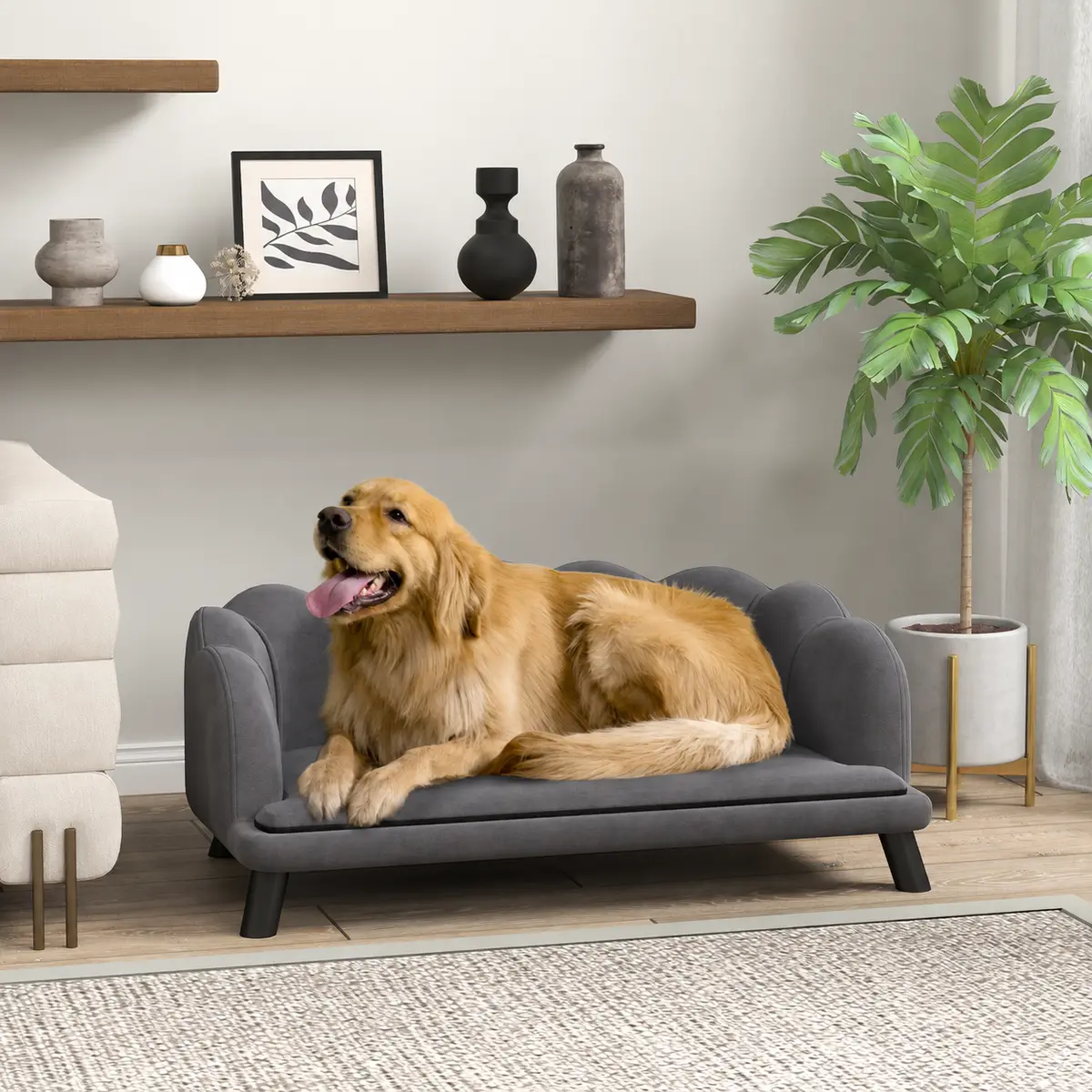
Match exercise to the breed, not the size. A Basset Hound may be content with two gentle walks a day, while a Border Collie needs hours of running and training. Feed by your dog's body condition rather than the bag alone, since several medium breeds, including the Beagle, Cocker Spaniel and Bulldog, gain weight easily, and extra pounds strain the joints and back. Most medium dogs also settle well in a bed sized for medium dogs, and a crate sized for medium dogs suits families who crate train.
Ask your vet at the first visit which health issues to watch for in your breed, such as ear infections in long-eared spaniels and hounds, breathing problems in flat-faced dogs, and hip or eye screening in herding breeds. Regular checkups, dental care and a lean body are the most reliable ways to help a medium dog reach the top of its life expectancy.
This page is general information, not veterinary advice, and it cannot replace an examination by the vet who knows your pet.
Common questions
What is the best medium-sized dog for a family?
The Cocker Spaniel, English Springer Spaniel, Beagle and Australian Shepherd are popular family choices; the AKC rates the Cocker, Beagle and Aussie 5 out of 5 with young children. Match the breed's energy to how active your family really is.
What medium-sized dog doesn't shed?
The Standard Schnauzer, Soft Coated Wheaten Terrier, Kerry Blue Terrier and Lagotto Romagnolo all score 1 out of 5 for shedding on the AKC scale. Their coats need regular brushing and clipping, and none of them is allergen-free.
What is the calmest medium-sized dog breed?
The Basset Hound is rated 2 out of 5 for energy on the AKC scale, and the Bulldog 3. The Whippet is also very quiet indoors once it has had a daily run, though it is an athletic dog at heart.
How long do medium-sized dogs live?
Most medium breeds have AKC life expectancies of about 12 to 15 years, longer than most large breeds. Exceptions include the Bulldog at 8 to 10 years and the Lagotto Romagnolo, which reaches 15 to 17.
Sources we checked
This guide is general information, not veterinary advice. If your pet is unwell or injured, contact your veterinarian.