Training & behavior
How to Train Your Dog to Be a Service Dog or Therapy Dog
To train your dog to be a service dog under the ADA, it must be individually trained to perform specific tasks directly related to a person's disability, and be calm and well-behaved in public. You may train it yourself or with a professional, and no official certificate or registry is required. A therapy dog is different: it comforts others on visits, needs certification from a therapy dog organization, and does not have public access rights.
By Matt GarnettUpdated November 14, 20263 min read2 sources
Service dog, therapy dog or emotional support animal?
Under the Americans with Disabilities Act, a service animal is a dog individually trained to do work or perform tasks for a person with a disability, such as guiding a person who is blind, alerting a person who is deaf, or calming a person with PTSD during an anxiety attack. Service dogs can accompany their handler in most public places.
A dog whose only role is to provide comfort or emotional support is not a service animal under the ADA, though other laws on housing and air travel have their own definitions. Therapy dogs visit hospitals, schools and care homes to comfort many people, and do not have public access rights.
Does a service dog need certification?
No. The ADA does not require a service dog to be professionally trained, certified or registered, and businesses cannot require ID cards or training documents. Online registries and certificates are not recognized by the ADA.
When it is not obvious what a dog does, staff may ask only two questions: is the dog a service animal required because of a disability, and what work or task has it been trained to perform. They cannot ask about the disability, ask for medical documentation, or ask the dog to demonstrate its task. A dog that is out of control or not house-trained can be asked to leave.
Is your dog suited to service work?
Not every dog can do it, however well trained. Good candidates are calm, confident, friendly but not overly social, unbothered by crowds and noise, and able to recover quickly from surprises. They need to be healthy, comfortable working for long periods, and the right size for their tasks.
Ask your vet to check your dog's health and joints before intensive training. Many programs evaluate a dog's temperament before starting, and some owner-trainers work with a professional to assess whether their dog is likely to cope with public work.
How owner training works
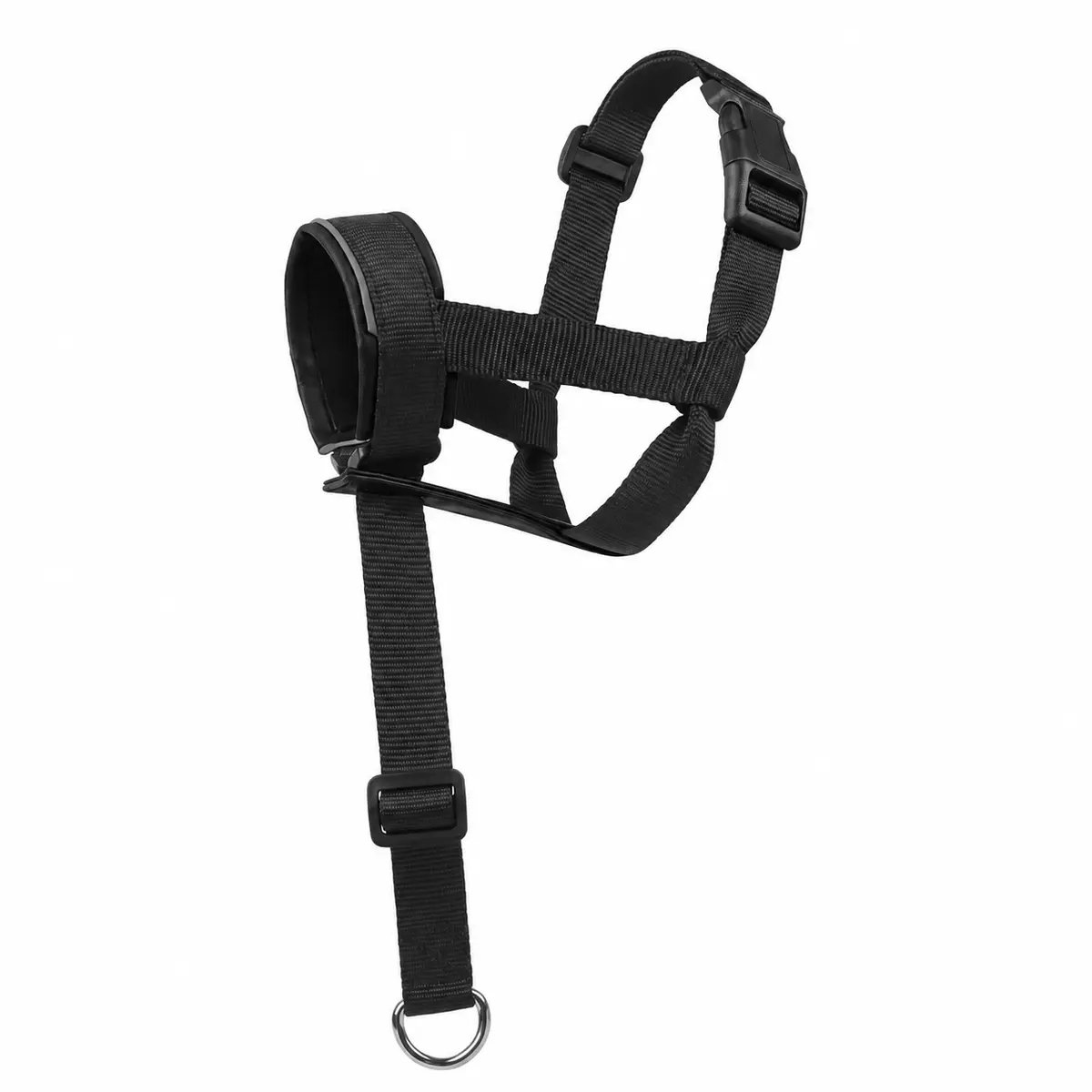
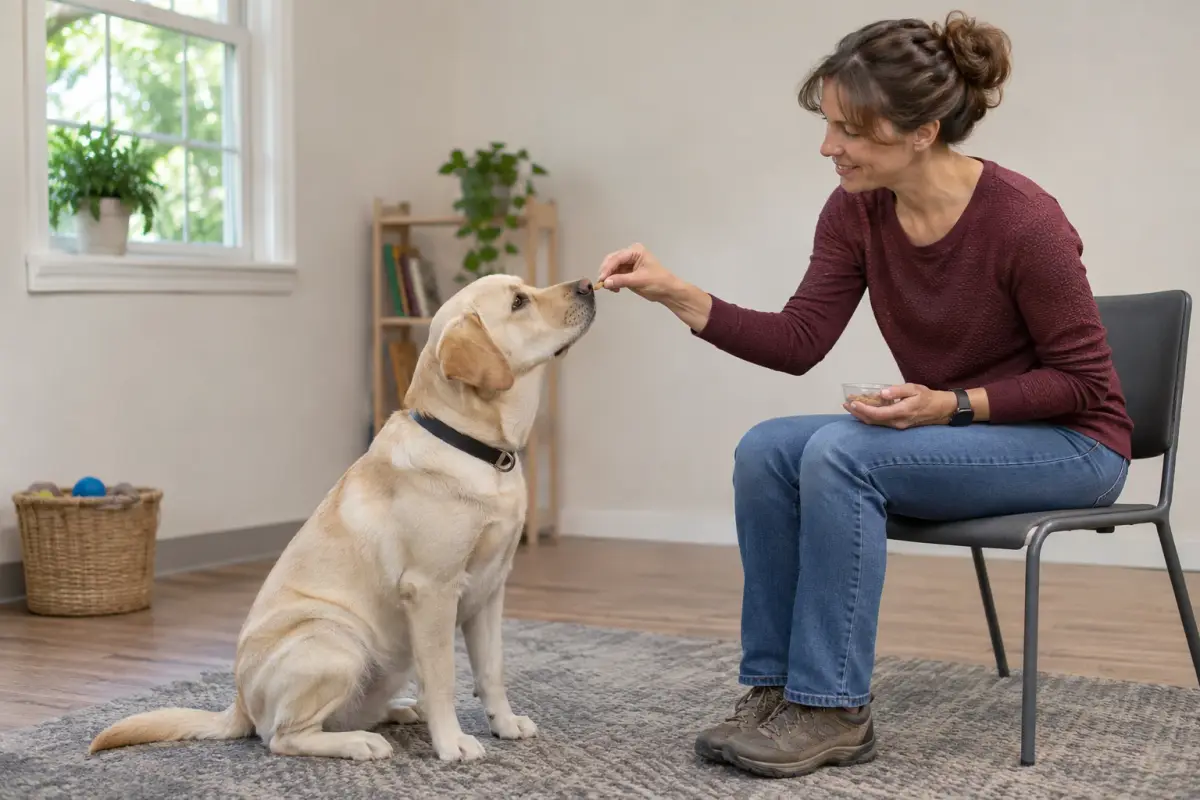
Start with a solid foundation using reward-based training with dog training treats: loose-leash walking, sit, down, stay, come, 'leave it', settling quietly under a table, and ignoring food on the floor. Then practice in increasingly busy public places that allow pet dogs, perhaps with an anti-pull head halter while leash manners are still developing, building calm focus around distractions.
Next comes task training, the part that makes a dog a service dog. Tasks must relate directly to the handler's disability, such as retrieving items, providing deep pressure during panic, interrupting harmful behaviors or alerting to sounds. A professional trainer experienced in service work can help design and teach tasks. Training usually takes many months to a couple of years.
How to get your dog certified as a therapy dog
Therapy dog certification is done by therapy dog organizations, not by the government. Most require an adult dog, often at least one year old, a friendly and calm temperament, comfort being touched by strangers, and a passing grade on an evaluation. Many ask for the AKC Canine Good Citizen test or their own similar test.
Build toward it with socialization, Canine Good Citizen training (see our dog training range), and a therapy dog preparation class. Once registered with a recognized organization, you can begin visits. The AKC also awards therapy dog titles based on the number of documented visits.
This page is general information, not veterinary advice, and it cannot replace an examination by the vet who knows your pet.
Common questions
Can I train my own service dog for anxiety?
Yes. The ADA allows owners to train their own service dogs. The dog must be trained to perform specific tasks related to the disability, such as deep pressure therapy, not just provide comfort by being present.
How long does it take to train a service dog?
Usually many months to a couple of years, depending on the dog, the tasks and the training approach. Public access manners take time and practice in many environments.
What is a psychiatric service dog?
A service dog trained to perform tasks for a person with a mental health disability, such as interrupting panic attacks, reminding the handler to take medication, or creating space in crowds.
Are online service dog registrations real?
They are not required or recognized under the ADA. A dog is a service dog because of its training to perform disability-related tasks, not because of a certificate or vest.
Sources we checked
This guide is general information, not veterinary advice. If your pet is unwell or injured, contact your veterinarian.