Care & how-to
How to Get Your Dog to Drink More Water
To get your dog to drink more water, start with the basics: a freshly washed bowl, fresh cool water several times a day, and bowls in more than one spot. Then try adding water or wet food to meals, a little low-sodium broth, ice cubes, or a pet fountain. If your dog suddenly stops drinking, or shows signs of dehydration, call your vet.
By Matt GarnettUpdated November 9, 20264 min read4 sources
Why a dog may not be drinking
Before trying tricks, think about why your dog is drinking less. Common, harmless reasons include cool weather, less exercise, a switch to wet food, a stale or slimy bowl, a bowl moved to a busy or noisy spot, or a new bowl that clatters or reflects light oddly. Some dogs dislike the taste of a new water source when traveling.
Less harmless reasons include nausea, dental pain, a sore mouth, fever, and illnesses that make dogs feel unwell. A dog that suddenly stops drinking, drinks far less for more than a day, or is also off its food, vomiting, lethargic or showing dry, sticky gums needs a vet check rather than tips. Dehydration can develop quickly, especially in puppies, seniors and small dogs.
Tips 1 to 4: make the water itself appealing
Tip 1: Wash the bowl every day. The AKC points out that drool, food bits and debris collect in water bowls, and a slimy film puts many dogs off. Tip 2: Refill with fresh, cool water several times a day rather than topping up an old bowl. Dogs tend to prefer cool water, so a few ice cubes on warm days can help.
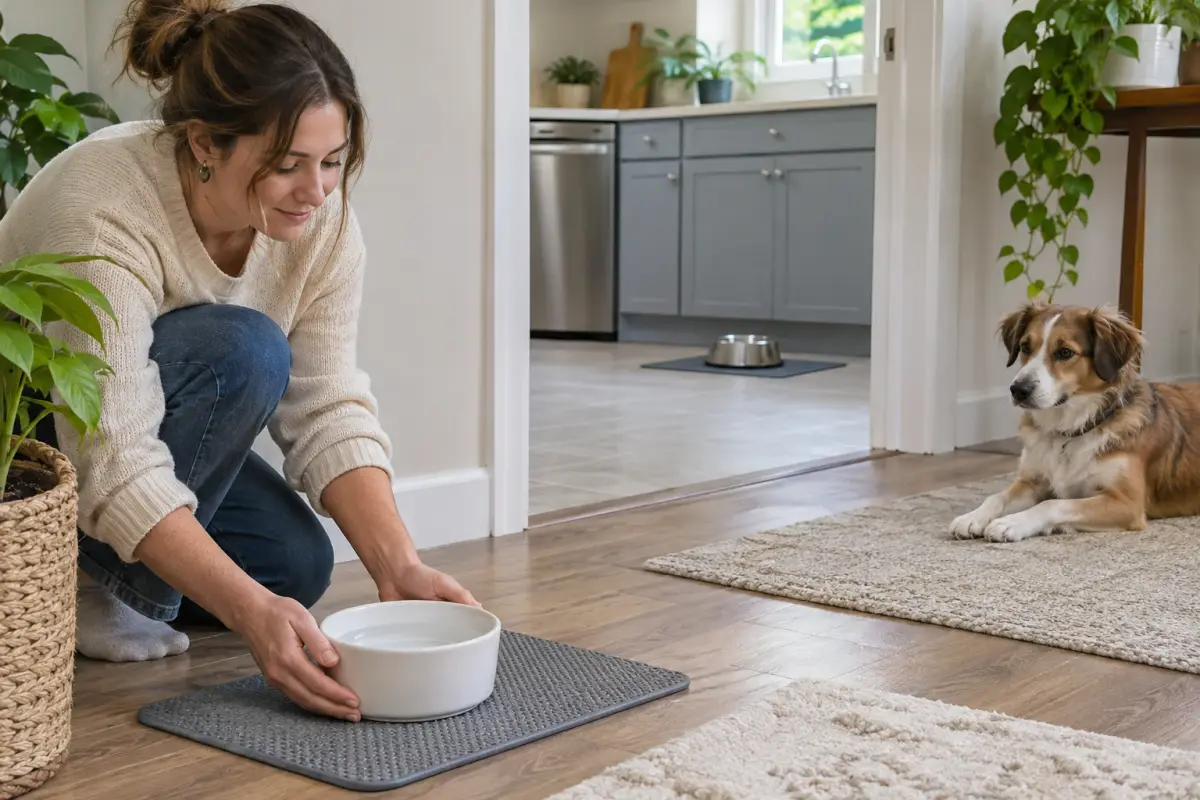
Tip 3: Try a different bowl. Stainless steel and ceramic dog water bowls are easy to clean and do not hold odors like scratched plastic. A wider, shallower bowl suits dogs that dislike their whiskers touching the sides, and a heavier bowl stops a nervous dog being startled by sliding. Tip 4: Put bowls in several quiet places, including near the bed and food, so water is always close.
Tips 5 to 8: add water to the day
Tip 5: Add water to meals. Pour some warm water over kibble, or mix in wet food, which is mostly water. Tip 6: Offer a little low-sodium chicken or beef broth in the water bowl; check the label carefully and avoid any broth containing onion or garlic, which are toxic to dogs. Tip 7: Freeze broth or water in ice cube trays as a treat to lick on hot days.
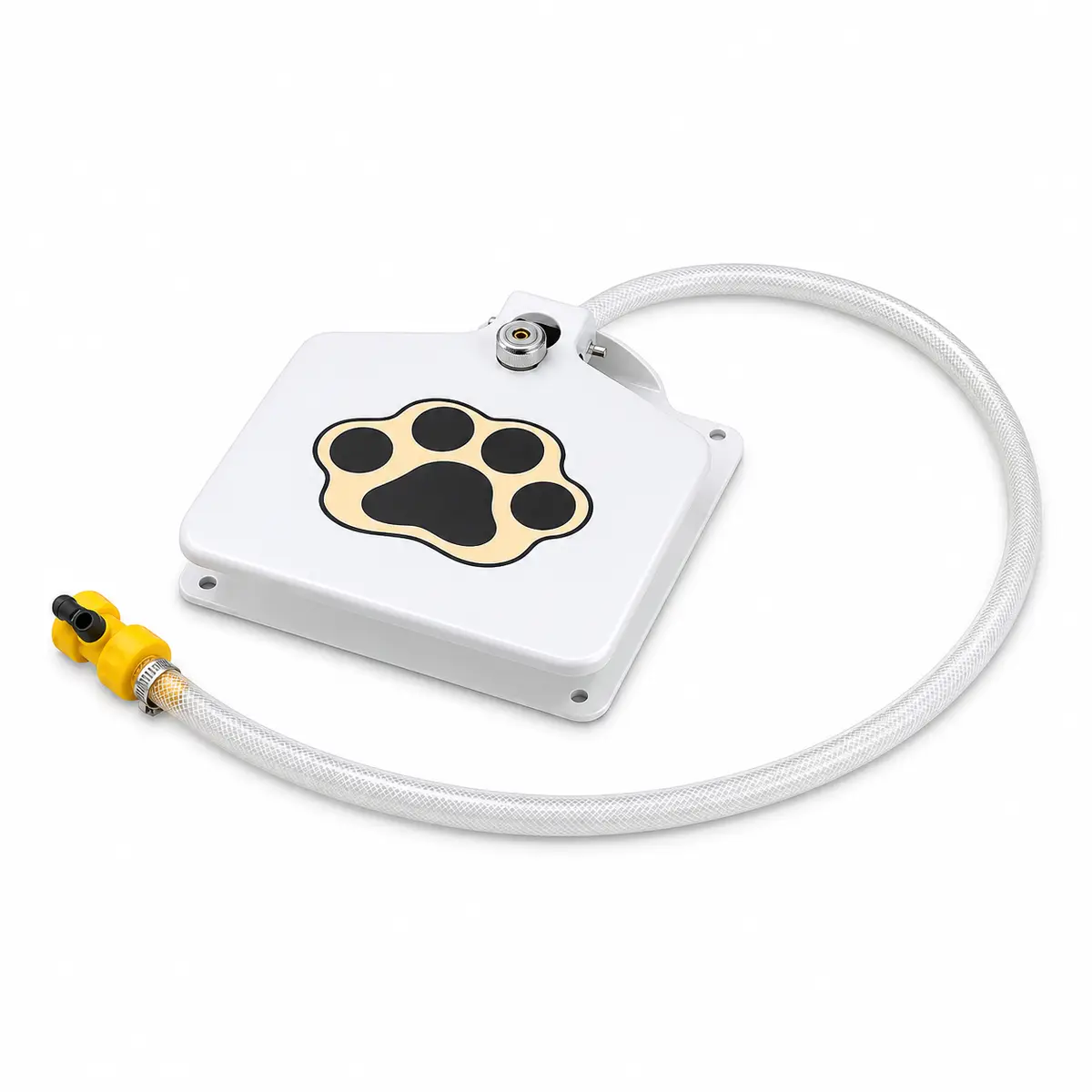
Tip 8: Try a pet water fountain, for example a wired automatic fountain. The AKC notes that dogs that like drinking from a hose or faucet may be drawn to moving water, although not every dog cares. Keep the old bowl out as a backup in case of a power cut or a dog that is wary of the pump noise. Praising your dog or giving a small treat after drinking can also encourage it.
On walks, trips and hot days
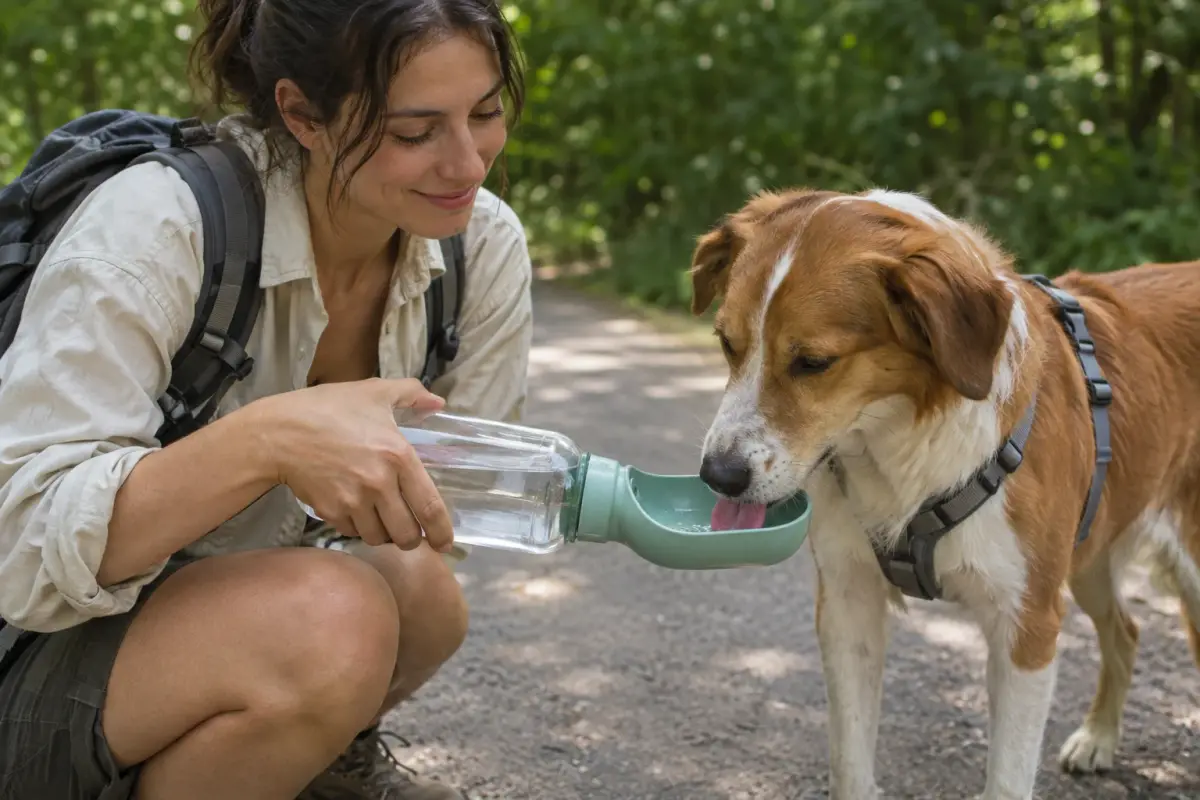
Carry water and a collapsible travel bowl on walks, hikes and car trips and offer it often, rather than waiting until your dog is panting. Some dogs will not drink in a new place, so offering water from home on trips can help. In hot weather, exercise early or late, rest in the shade and give water breaks every 15 to 20 minutes during activity.
After hard exercise, let your dog cool down and drink in smaller amounts over a few minutes rather than draining a bowl at once, which can cause vomiting and, in large breeds, is a bloat risk factor. Never leave your dog in a parked car, even with the windows cracked.
When to call your vet
Call your vet if your dog has not drunk for most of a day, has dry or sticky gums, sunken eyes or skin that is slow to fall back when gently lifted, or seems tired and off its food. Contact your vet the same day if low drinking comes with vomiting or diarrhea, and go immediately if your dog is weak, collapsing or has been overheated.
Also tell your vet about the opposite problem. A dog that suddenly drinks much more than usual may have diabetes, kidney disease or a hormonal condition, so both extremes are worth reporting. Your vet may ask you to measure how much your dog drinks over 24 hours.
This page is general information, not veterinary advice, and it cannot replace an examination by the vet who knows your pet.
Common questions
Why is my dog not drinking water but eating?
It may be getting enough moisture from wet food, or the weather is cool. If it eats well but drinks almost nothing for a full day, or shows signs of dehydration, call your vet to rule out mouth pain or illness.
Can I flavor my dog's water?
A small amount of low-sodium, onion-free and garlic-free broth is a common trick. Avoid anything with added salt, sweeteners such as xylitol or seasonings, and keep a plain bowl available too.
Do water fountains make dogs drink more?
They can for dogs that prefer moving water, but there is no guarantee. Try a dog water fountain alongside a regular bowl and see which your dog chooses, and clean the fountain and change filters regularly.
Sources we checked
This guide is general information, not veterinary advice. If your pet is unwell or injured, contact your veterinarian.