Breeds
Dutch Shepherd vs German Shepherd
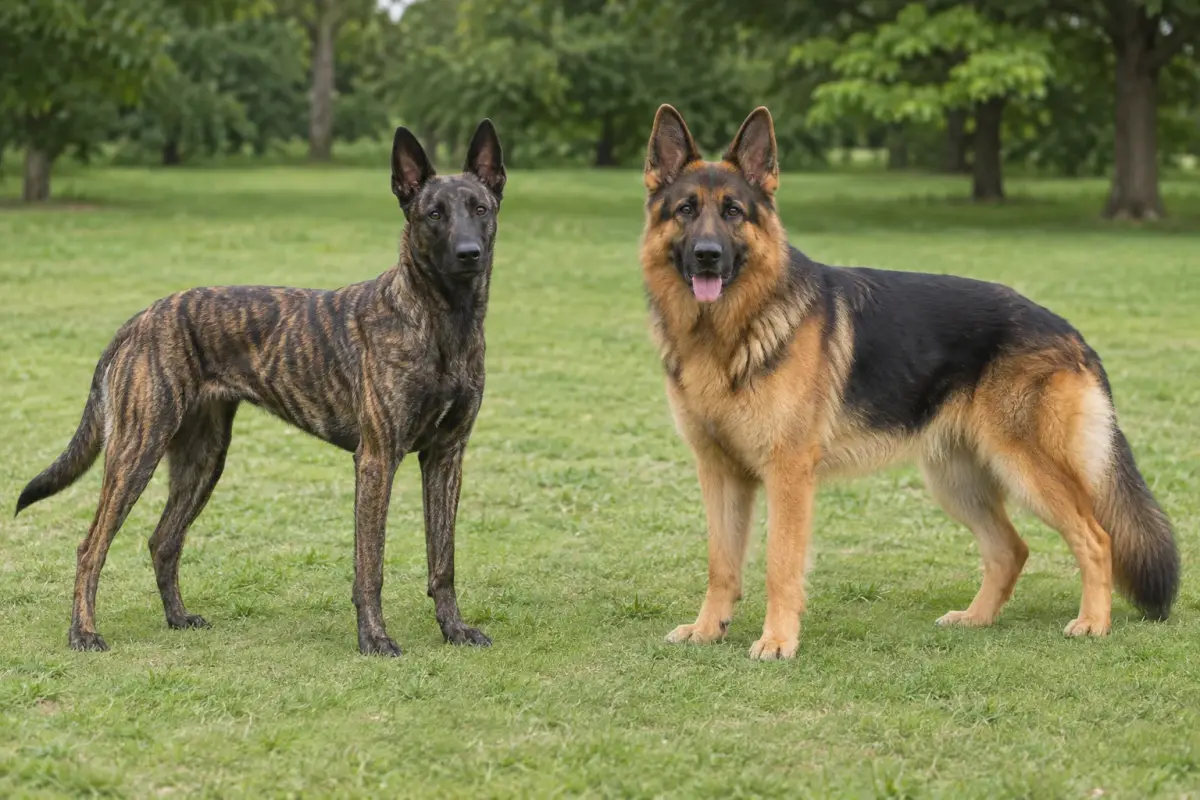
The Dutch Shepherd is often lighter and comes in three coat varieties, while the German Shepherd is generally larger with a substantial shedding coat. Both are intelligent working dogs that need active involvement and training. Choose by the actual dog’s behavior, coat, and care needs rather than assuming a less familiar breed will be an easier version of a German Shepherd.
By Matt GarnettUpdated November 13, 20263 min read4 sources
Size, lifespan, and care at a glance
AKC gives Dutch Shepherds a 42–75-pound weight guide and 11–14-year lifespan guide. VCA gives German Shepherds 50–90 pounds and 12–14 years. Those ranges overlap and are not predictions for an individual. Look at the actual adult’s build and discuss a puppy’s development when planning handling and transportation.
Both need activity, mental engagement, and humane teaching. Coat care depends on the Dutch Shepherd’s short, long, or rough variety, while German Shepherds bring a shedding double coat. Best fit depends on the kind of working relationship you enjoy and the routine you can sustain. Neither label establishes a universal level of trainability or suitability for children.
Consider the partnership behind the working reputation
AKC describes the Dutch Shepherd as athletic, alert, and independently minded, with a herding background. It describes the German Shepherd as a versatile, intelligent worker. Those are reasons to ask what you will do together, not to expect either dog to create its own suitable daily routine.
Think about the ordinary activities you genuinely enjoy: walks, teaching, play, or structured tasks. Ask the caregiver what the individual prefers and how it settles afterward. A dog’s reputation in demanding work does not tell you how comfortably it will share your home. Assess the relationship you can support rather than choosing by stories about another dog’s accomplishments.
Compare learning styles through actual examples
AKC notes that Dutch Shepherds often benefit from short, engaging training sessions rather than excessive repetition. VCA describes German Shepherds as highly trainable but needing consistent guidance and mental engagement. Ask what the actual dog knows and which situations still need support.
Use humane, reward-based instruction with expectations everyone can follow. Review the dog’s response to handling, visitors, and everyday distractions before deciding. An adult’s history may offer useful information, but a new home still involves adjustment. Neither breed’s intelligence eliminates the need for patient teaching or qualified help when a situation is difficult to manage.
Identify the coat variety and maintenance routine
AKC describes different grooming needs for Dutch Shepherd coat varieties: the short coat needs more attention during shedding, the long coat needs regular grooming, and the rough coat may involve hand-stripping. Ask which variety you are considering and request a demonstration of its current care.
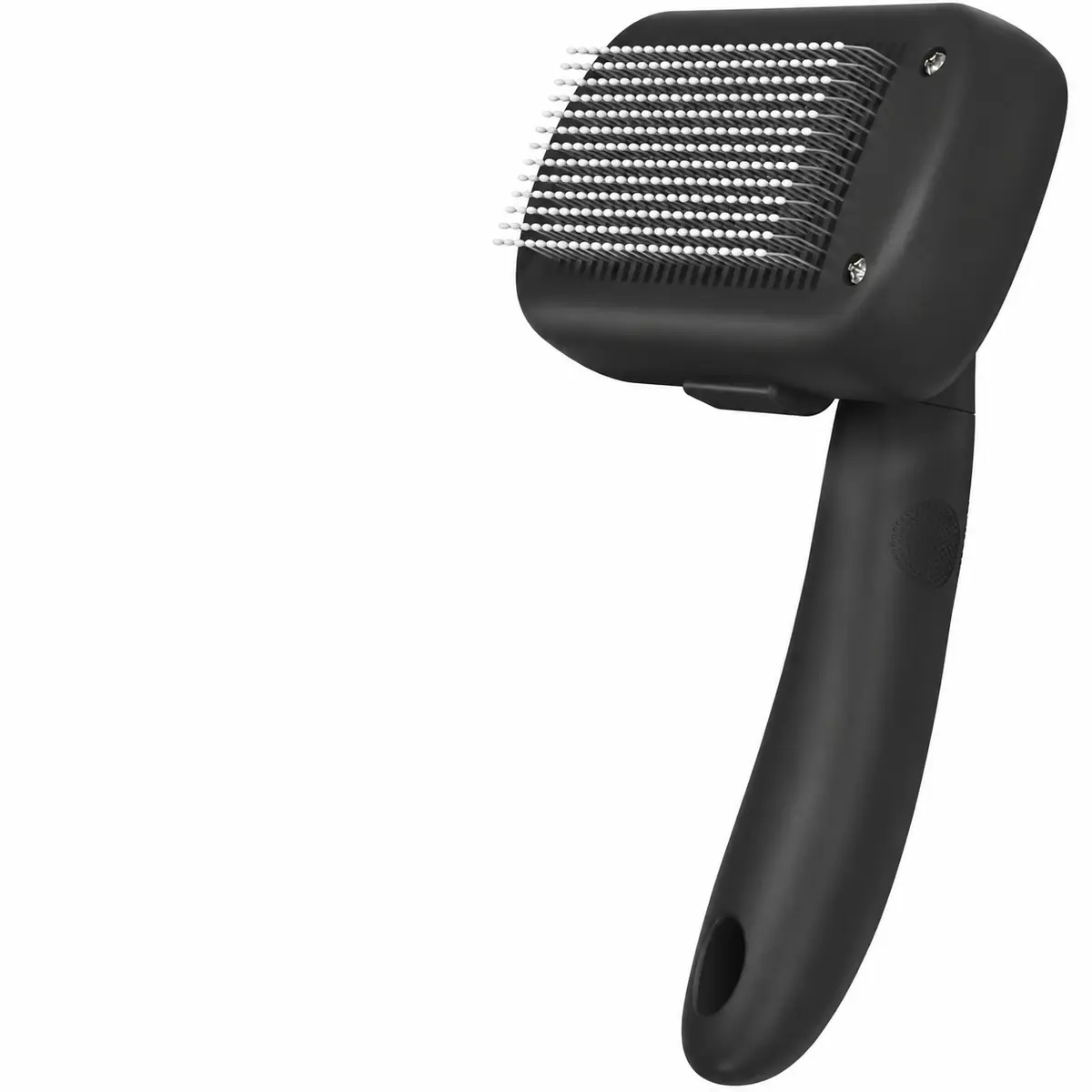
A German Shepherd’s loose undercoat also requires a routine you can maintain, such as regular sessions with a deshedding brush. Think about where grooming will happen, whether the dog accepts it comfortably, and what assistance you need. A brindle pattern or a familiar black-and-tan appearance does not answer those practical questions. Choose a care commitment you can sustain without turning handling into a regular conflict.
Review the whole household and long-term care
VCA’s selection guidance emphasizes matching a pet to the actual household, including time, activity, grooming, and veterinary care. Apply that to either Shepherd. Ask about existing animals, visitors, children, and time alone rather than treating a working label as proof of compatibility or a guarantee of safe protection.
Review available medical and behavior records with your veterinarian and the caregiver. Discuss appropriate activity for the individual’s age and health, and seek advice about unexplained changes in appetite, movement, comfort, or behavior. A Dutch or German Shepherd may be a strong match when its observed needs fit your support, experience, and long-term commitment.
This page is general information, not veterinary advice, and it cannot replace an examination by the vet who knows your pet.
Common questions
Is the Dutch Shepherd usually smaller?
The cited guides place Dutch Shepherds at 42–75 pounds and German Shepherds at 50–90 pounds. The ranges overlap, so compare the actual adult’s build rather than assuming a name guarantees a size.
Do all Dutch Shepherds have the same grooming needs?
No. AKC describes short, long, and rough coat varieties with different maintenance. Ask which variety the individual has and what home grooming or specialized care its routine requires.
Does a working background mean either dog is easy to train?
Working ability does not remove the need for teaching. Ask about the individual’s skills, distractions, handling, and support needs, and choose humane training suited to the dog and your household.
Sources we checked
This guide is general information, not veterinary advice. If your pet is unwell or injured, contact your veterinarian.