Care & how-to
Dog Zoomies: Why Dogs Suddenly Run Around Like Crazy
The zoomies are sudden bursts of high-speed running, spinning, and play, usually lasting a minute or two. Behavior experts call them frenetic random activity periods, or FRAPs. They are a normal way for dogs, especially puppies and young dogs, to release pent-up energy or excitement, and they are not a sign of a problem as long as your dog is otherwise healthy and the space is safe. Daily play with interactive dog toys gives that energy somewhere to go.
By Matt GarnettUpdated November 9, 20264 min read3 sources
What the zoomies look like
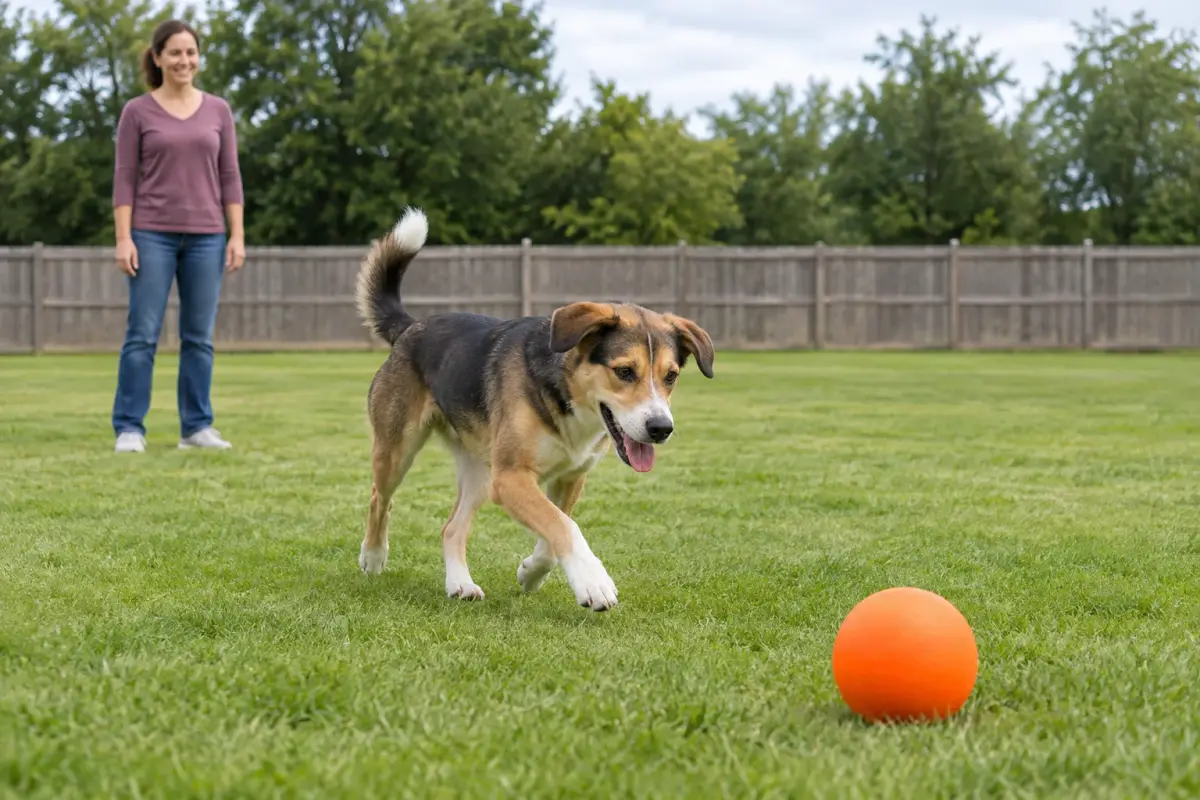
A dog with the zoomies often starts with a play bow, front end down and rear end up, then tears around the room or yard in wide loops, tucking the rear end under and spinning on the turns. Ears may be back, the mouth open in a relaxed pant, and the dog may run right past you, daring you to chase.
The episode usually stops as suddenly as it started, and the dog flops down, panting and content. Some dogs zoom alone, while others pull a housemate dog into a chase. All of this is play behavior and, for most dogs, a sign of a happy, healthy animal.
Why dogs get the zoomies
The most common trigger is stored-up energy. A dog who has been resting, crated, or confined for a while may burst into motion as soon as they are free. Excitement is another: the arrival of a favorite person, the start of a game, or the evening wind-down can all set it off.
Some dogs zoom to release tension after something mildly stressful, such as a bath, a nail trim, or a vet visit, as if shaking off the experience. Puppies and young adult dogs have zoomies most often, but many dogs keep doing it well into old age.
Common times for zoomies
Many owners notice zoomies at the same times every day: in the evening, after a meal, after a bath, after pooping, or first thing in the morning. After-bath zoomies are especially common, perhaps a mix of relief, drying off, and the strange feeling of a wet coat.
Post-poop zoomies are also normal. Some dogs seem to celebrate, while others may be leaving scent with their paws as they run. Knowing your dog's usual zoomie times helps you plan to be in a safe space when they come.
Keeping zoomies safe
Zoomies themselves are harmless, but the setting can make them risky. Slippery hardwood or tile floors can cause falls and injuries, so put down rugs or move your dog to the yard or a carpeted room if you can. Clear away fragile objects and keep small children out of the path.
Never let a dog zoom near a road or in an unfenced area, because they are not paying attention to traffic. Avoid chasing your dog during zoomies indoors, which tends to escalate the game. If you need it to stop, stand still or call your dog to you and reward them for coming.
Are frequent zoomies a sign of a problem?
Occasional zoomies in a healthy dog are normal. Very frequent zoomies, or zoomies that seem frantic rather than playful, may mean your dog is not getting enough exercise or mental stimulation. More walks, sniffing time, training games, and puzzle toys usually help.
Talk to your vet if your dog's running or spinning seems compulsive, if they cannot be interrupted, if they seem distressed, or if repeated tail chasing or spinning is part of it. Also mention any limping or stiffness after zoomies, which could point to an injury or joint problem.
How to help a dog who gets the zoomies a lot
Give your dog a daily outlet for energy that matches their age and breed, with a mix of physical exercise and brain work, such as interactive dog toys like a treat launcher or a food catapult feeder; our interactive dog toy guide explains the types. Working and herding breeds in particular need jobs to do. A long, sniffy walk can tire a dog as much as a short run.
Build calm into the day, too. Reward your dog for settling on a mat, offer a chew after exciting events, and keep greetings low-key. The goal is not to stop zoomies altogether but to make sure they are a fun release, not a sign of boredom.
This page is general information, not veterinary advice, and it cannot replace an examination by the vet who knows your pet.
Common questions
Are zoomies a sign of a happy dog?
Usually, yes. Zoomies are a form of play and energy release, and most dogs look relaxed and joyful while they do them. Very frequent or frantic zoomies may mean your dog needs more exercise.
Why does my dog get the zoomies after a bath?
After-bath zoomies are very common. They may help dogs dry off, shake off the stress of the bath, or release energy after being held still. Keep them in a safe, non-slippery spot.
At what age do dogs stop getting the zoomies?
There is no set age. Puppies and young dogs zoom most, and the frequency usually drops with age, but many dogs keep having short bursts of zoomies throughout their lives.
Sources we checked
This guide is general information, not veterinary advice. If your pet is unwell or injured, contact your veterinarian.