Buying guides
Best Light-Up Dog Collars: What Actually Matters
The best light-up dog collar is bright enough to be seen from a distance, fits snugly with a proper two-finger gap, is comfortable for all-day wear and has a power source you can easily recharge or replace. It supplements, never replaces, reflective gear, a leash and an ID tag. See our light-up dog collars once you know which features you want.
By Matt GarnettUpdated November 13, 20264 min read2 sources
What matters most: being seen
The point of a light-up collar is to make your dog visible to drivers, cyclists and other walkers. VCA's advice for early and late walks is that both you and your dog should be visible to drivers, and it points out that reflective gear only works if a vehicle's headlights hit you. A lit collar does not depend on headlights, which is why VCA recommends having a light of some kind for both you and your dog.
Look for a light you can see from the side and from behind, with a steady mode and a flashing mode. Flashing is easier to spot from a distance, while a steady glow is easier on the dog and on other pets. An LED strip that runs the full circumference of the collar is visible from more angles than a single bulb on one side, so a dog that turns away from traffic is still seen. A glowing dog collar and an LED safety collar are two designs to compare.
The main types compared
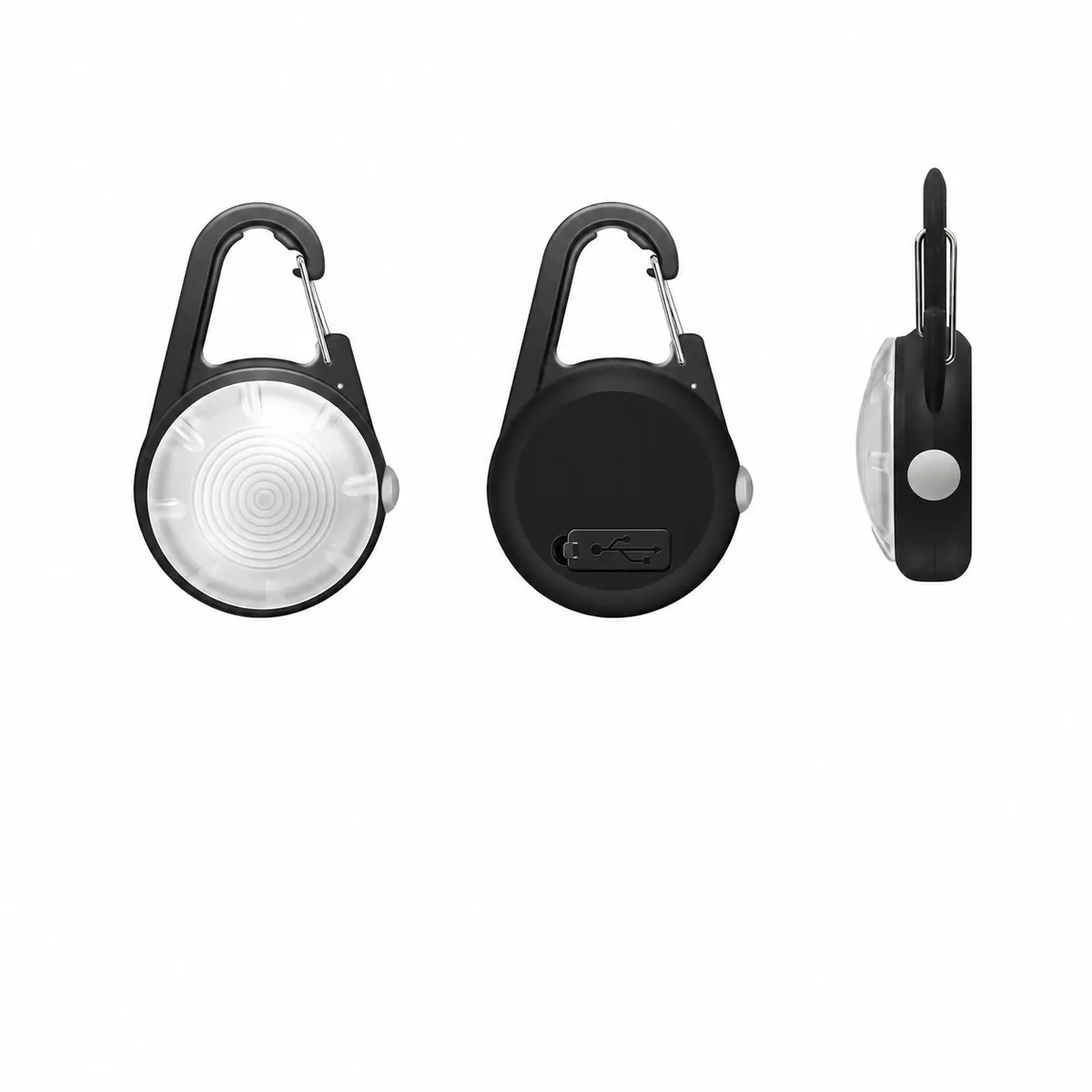
Light-up collars fall into three groups. Lit nylon collars have LEDs or fiber optics built into the strap and look like a normal collar by day. Clip-on lights hang from your dog's existing collar or harness and are easy to move between dogs. Light-up leash or harness options light the line or body instead, which helps where a collar sits under long fur.
Built-in strap collars are convenient but you may need to replace the whole collar when the battery or light fails. Clip-ons are cheaper to replace but can snag or fall off. A light-up LED collar is the built-in type. If your dog pulls, VCA points to a properly fitted collar or harness, so consider pairing a clip-on light with a harness instead of pulling on a thin lit strap.
Fit, comfort and durability
Fit comes first. The AKC says to measure with a soft tape and use the two-finger check: you should be able to slide two fingers under the collar, and if you cannot, it is too tight, while more fingers means too loose. A collar that is too loose can slip over the head, and one that is too tight can rub the skin. Check the neck where the battery pack sits, since a hard pack against the throat is uncomfortable.
Look for a flat, smooth strap, padding if your dog has short fur or sensitive skin, and a secure buckle. The AKC advises choosing a collar that is safe first and stylish second, because studs and decorations can irritate skin or snag in play. Check for water resistance if you walk in rain, and inspect the strap and wiring often for cracks or exposed parts.
Power, charging and switches
The light is only useful when it is charged. Check how the collar is powered, how long a charge or battery lasts and whether you can tell the power level at a glance. A USB-rechargeable collar that you plug in after each walk is easy to remember, while replaceable coin cells are easy to swap at the door but easy to forget.
Pick a switch your dog cannot press with a paw and that you can work with cold fingers in gloves. Keep spares if your collar uses batteries. Never leave a charging collar unattended, and keep batteries away from dogs that chew, because swallowed batteries are a medical emergency; call your vet or an emergency clinic immediately if that happens.
What a light-up collar cannot do
A light does not control your dog. VCA recommends a sturdy leash of 4 to 6 feet attached to a properly fitting collar or harness, and says retractable leashes are not the best restraint for exercising. A short leash is always a safe bet, and a flat, bright or reflective leash is easier to see near roads than a thin cord.
A light also does not identify your dog. VCA says to put an ID tag with your dog's name and your phone number on the collar, and that a microchip is a more permanent means of identification because collars and tags can be lost. Stick to well-lit routes where you can, and consider the rest of our dog collars if your dog needs a tag-friendly everyday collar.
This page is general information, not veterinary advice, and it cannot replace an examination by the vet who knows your pet.
Lighting locations and replaceable components
| Format | Where the light sits | What to verify |
|---|---|---|
| Lit strap collar | Light built into the collar body | Electrical model,battery and strap fit |
| Clip-on light | A separate light attaches to existing gear | Clip attachment and replacement method |
| Light-up leash | Light along the line | Actual lighting and leash specifications |
| Light-up harness | Light on a torso-worn item | Body fit,lighting components and controls |
Common questions
Do light-up dog collars really help at night?
They make your dog easier to see from a distance, which helps around traffic. VCA notes that reflective gear only works when headlights hit it, so a light adds visibility. It does not replace a leash, an ID tag or a well-lit route.
How tight should a light-up dog collar be?
The AKC suggests the two-finger check: you should be able to slide two fingers under the collar. If you cannot, it is too tight, and if you can fit more, it is too loose. Check the battery pack does not press on the throat.
Is it safe for a dog to wear a light-up collar all day?
Many people use them only for walks. Check the strap and electronics for wear, make sure the fit is right, and take it off if your dog chews it or the skin looks irritated. Keep batteries away from chewers.
Should I use a light-up collar or a clip-on light?
A built-in collar is convenient and looks like a normal collar. A clip-on light is easy to move between collars and harnesses. Choose the one that fits your dog and that you will remember to charge.
Sources we checked
This guide is general information, not veterinary advice. If your pet is unwell or injured, contact your veterinarian.