






Buying guides
Best Food for Pomeranians: What to Look For
The best food for a Pomeranian is a complete and balanced diet for its life stage, in tiny kibble or soft pieces a very small mouth can manage, portioned precisely for a dog that weighs only 3 to 7 pounds. At that size, a few extra treats are a large share of the day. Look for an AAFCO adequacy statement and calories per cup, and let your vet set your Pom's target weight.
By Matt GarnettUpdated November 10, 20264 min read3 sources
What matters most for a Pomeranian
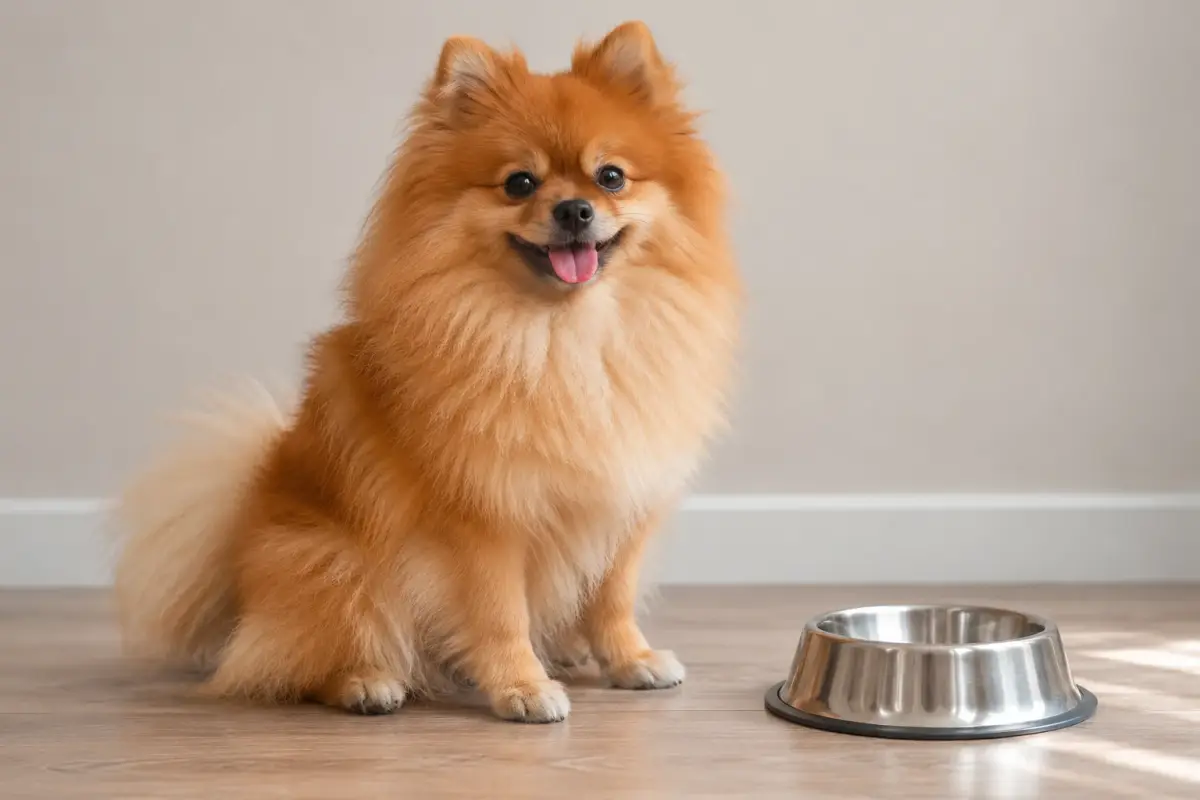
The AKC lists the Pomeranian at 6 to 7 inches tall and 3 to 7 pounds, with a life expectancy of 12 to 16 years, and calls it generally healthy. Its health notes mention that, like other toy dogs, Poms can have trouble with the kneecaps of the hind legs, and advise discouraging jumps from heights such as the couch. Keeping a toy dog light protects those small joints.
For food, that means three priorities. The diet must be complete and balanced for growth or adult maintenance. The kibble must be small enough for a tiny jaw. And portions must be precise, which means using the calorie figure and a kitchen scale rather than a scoop, because the difference between enough and too much is a few pieces. A slow feeder for small dogs can also make a Pom's small portion last longer.
How to read the label
Look for the AAFCO nutritional adequacy statement saying the food is complete and balanced for growth, adult maintenance or all life stages. The WSAVA guidelines on selecting pet foods advise that products for intermittent or supplemental feeding should only be a small part of the diet, and that unregulated words such as premium tell you little.
Find the calories per cup, which US labels must list, and use it with your vet's target weight. The WSAVA also suggests asking makers whether they employ a qualified nutritionist and what quality control they run. Those answers say more about a food than the breed or picture on the front of the bag.
Kibble size, meals and puppies
Toy-breed kibble is made in small pieces that a Pomeranian can pick up and chew; adult kibble for larger dogs can be hard to manage. Soft or canned complete foods are another option, especially for older Poms with dental problems, which are common in small breeds with crowded teeth.
Very small puppies have small energy reserves, so vets often advise several meals a day for toy-breed puppies. Follow your vet's schedule, and call them promptly if a tiny puppy is weak, wobbly or will not eat, because toy puppies can become unwell quickly when they miss meals.
Best format for each Pomeranian
For a Pom puppy, choose a toy- or small-breed growth food, or one for all life stages, in small pieces, fed in several measured meals. For an adult, a complete toy-breed adult food or a soft food works well. For a Pom that gains weight easily, a lower-calorie adult food makes portions look less meager, and the cartoon pizza slow-feed bowl is one small-dog option for stretching a meal over more minutes.
For a senior or a Pom with missing teeth, a soft complete food is kinder. For a fussy eater, a spoon of complete wet food mixed into dry can help, counted in the daily total. Ask your vet before switching to a senior formula, since these vary widely in calories.
What to avoid
Avoid free-feeding and large treats; a single large treat can be a big share of a Pom's daily calories, so break treats into crumbs and keep them in a dog treat pouch so you can count them. Avoid table scraps and fatty foods. Avoid choosing a food only because it is grain-free; the FDA has investigated a possible link between certain such diets and heart disease.
Change foods gradually over about a week. If your Pom vomits, has diarrhea for more than a day, stops eating or seems weak, call your vet, since small dogs can dehydrate quickly. Bad breath or dropping food can mean dental pain, also worth a vet check.
Keeping a Pomeranian at a healthy weight
A Pom's fluffy coat hides its shape completely, so feel rather than look. You should feel the ribs easily under a light layer of fat and feel a waist behind them. Weigh your Pom monthly on a kitchen or baby scale; a change of half a pound is significant at this size.
Daily walks and indoor play keep a Pom fit, and ramps or steps onto furniture protect its knees. Your vet can give you a target weight and daily calories at checkups, which matter far more than the feeding chart on any bag.
This page is general information, not veterinary advice, and it cannot replace an examination by the vet who knows your pet.
Common questions
What kibble size is best for a Pomeranian?
Toy-breed kibble with very small pieces, or a soft complete food. Large kibble can be hard for a tiny mouth to manage, especially with crowded or missing teeth.
How much should a Pomeranian eat?
It depends on the food's calories and your dog's target weight, usually in the 3 to 7 pound range. Weigh food on a kitchen scale and ask your vet for a daily calorie figure.
How often should a Pomeranian puppy eat?
Toy-breed puppies usually need several small meals a day, as your vet advises, because they have small energy reserves. Call your vet if a puppy is weak or refuses food.
Is wet or dry food better for a Pomeranian?
Either works if complete and balanced. Dry food is easy to portion; wet food suits Poms with dental problems or fussy appetites. Many owners mix both, counting each in the daily total.
Sources we checked
This guide is general information, not veterinary advice. If your pet is unwell or injured, contact your veterinarian.


