






Buying guides
Best Food for Miniature Schnauzers: What to Look For
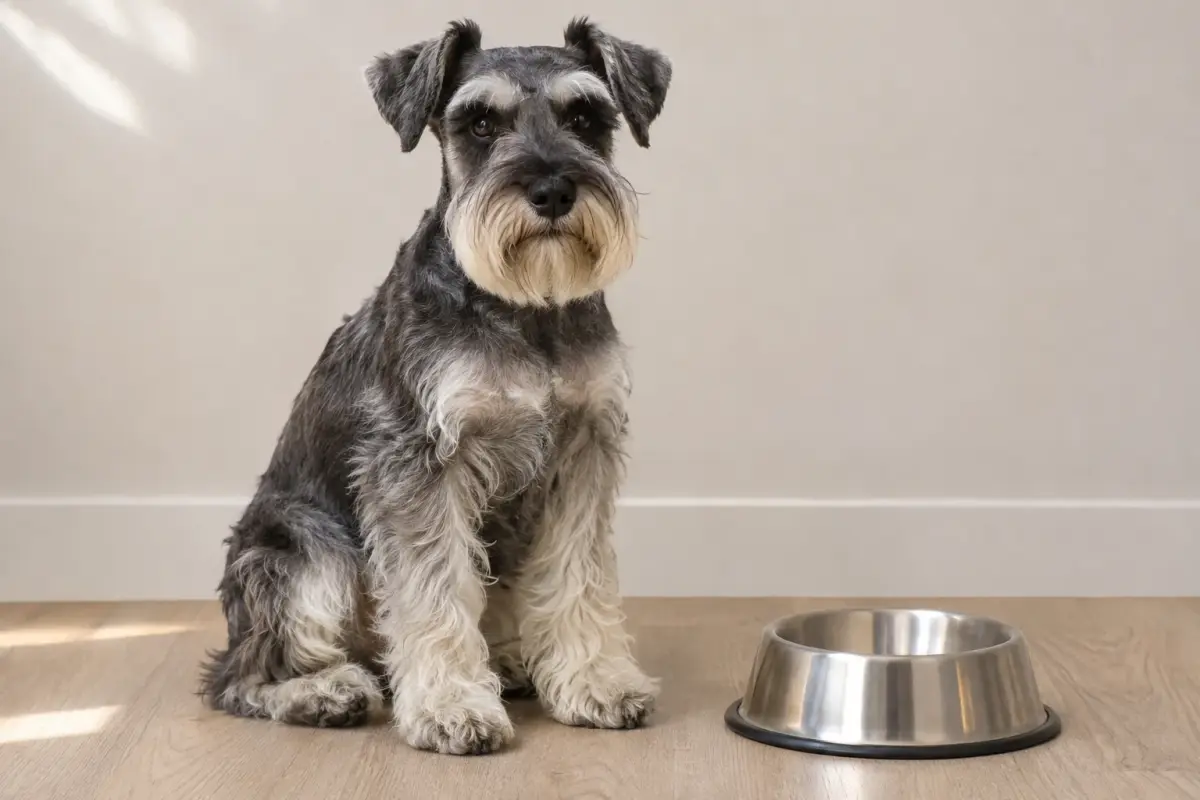
The best food for a Miniature Schnauzer is a complete and balanced AAFCO diet with moderate rather than high fat, fed in measured portions. The AKC notes Miniature Schnauzers are commonly affected by pancreatitis, and fatty food is a frequent trigger, so the fat line on the label, the treats you give and the table scraps you refuse matter more for this breed than most.
By Matt GarnettUpdated November 9, 20263 min read3 sources
Why fat content matters for this breed
The AKC lists Miniature Schnauzers among the breeds commonly affected by pancreatitis, along with some toy and terrier breeds and breeds prone to high blood fat levels. It also names a high-fat diet as one of the most common triggers, noting that a single large serving of fatty food, a holiday meal or a raid on the trash can set off an episode in a susceptible dog.
That does not mean every Schnauzer needs a special diet; a healthy dog can eat an ordinary complete food. It means choosing a food with moderate fat rather than a rich, high-fat formula, and being strict about extras, which a dog treat pouch helps with when you load it each morning with a counted, low-fat allowance. If your dog has had pancreatitis or high blood lipids, your vet may prescribe a specific low-fat diet, and that prescription replaces any general advice here.
What to look for on the label
Start with the AAFCO statement: complete and balanced for growth or all life stages for a puppy, adult maintenance for an adult. Then read the guaranteed analysis for crude fat, and compare foods on a calories-per-cup basis, because richer foods usually carry more fat. Small-breed formulas offer smaller kibble but are often more calorie-dense, so portions shrink.
VCA lists adult Miniature Schnauzers at about 13 to 15 pounds and notes they tend to stay at a healthy weight or run slightly heavy. Keeping the dog lean is protective in its own right, because overweight dogs carry more risk across many conditions. Weigh food rather than scooping, and a slow-feeder bowl can stretch a small measured meal for a Schnauzer that gulps.
Treats and table food
For this breed the treat jar deserves as much attention as the food bowl. Fatty treats, cheese, bacon, sausage, poultry skin and meat trimmings are exactly the foods the AKC describes as triggers. Use small, low-fat treats, pieces of your dog's own kibble, or plain vegetables your vet agrees with.
Holidays are the high-risk days. Keep plates out of reach, warn guests not to share food, and secure the trash. Signs that need a vet as soon as possible include repeated vomiting, a hunched back or praying posture, a painful or swollen belly, diarrhea, lethargy and refusing food.
Puppies and senior Schnauzers
Puppies need a food labeled complete and balanced for growth, offered three or four times a day while young, then twice a day. The AKC suggests small breeds move to adult food at around 7 to 9 months. Resist the urge to tempt a picky puppy with rich toppings, which builds exactly the habit you want to avoid.
Miniature Schnauzers are long-lived, and seniors often need fewer calories. A drop in appetite, weight loss or increased thirst in an older dog is a reason for a vet visit and blood tests, not a reason to switch foods on your own.
What to avoid
Avoid high-fat performance or puppy formulas for adults, rich toppers, fatty treats and free feeding; a weighed meal in a slow feeder for small dogs is the better habit. Avoid frequent food rotation, which makes it hard to tell what upsets your dog. Avoid relying on buzzwords such as holistic, natural or premium, which say nothing about fat content.
The WSAVA Global Nutrition Committee suggests asking any maker whether it employs a qualified nutritionist, who formulates its diets and what quality control it runs. Ask your vet before trying grain-free, raw or home-made diets.
This page is general information, not veterinary advice, and it cannot replace an examination by the vet who knows your pet.
Common questions
What is the best food for a Miniature Schnauzer?
A complete and balanced AAFCO diet with moderate fat, fed in measured portions. Because the breed is commonly affected by pancreatitis, limit fatty treats and table scraps. Your vet may advise a low-fat diet.
Do Miniature Schnauzers need a low-fat diet?
Not every Schnauzer does, but moderate fat and strict treat rules are sensible. Dogs that have had pancreatitis or high blood fats may need a prescribed low-fat diet from their vet.
What treats are safe for a Miniature Schnauzer?
Small, low-fat treats, pieces of the dog's regular kibble, and plain vegetables your vet approves. Avoid cheese, bacon, sausage, poultry skin and fatty meat trimmings.
How much should a Miniature Schnauzer eat?
Adults weigh about 13 to 15 pounds, so portions are small. Use the bag guide for the ideal weight, weigh food, and adjust so ribs are easy to feel.
Sources we checked
This guide is general information, not veterinary advice. If your pet is unwell or injured, contact your veterinarian.


