






Buying guides
Best Food for Chihuahuas: What to Look For
The best food for a Chihuahua is a complete and balanced AAFCO diet with kibble small enough for a tiny mouth, fed in carefully measured portions. Puppies need frequent small meals to keep their blood sugar steady, adults need protection from the extra calories that a few treats add, and dental care matters as much as the food itself.
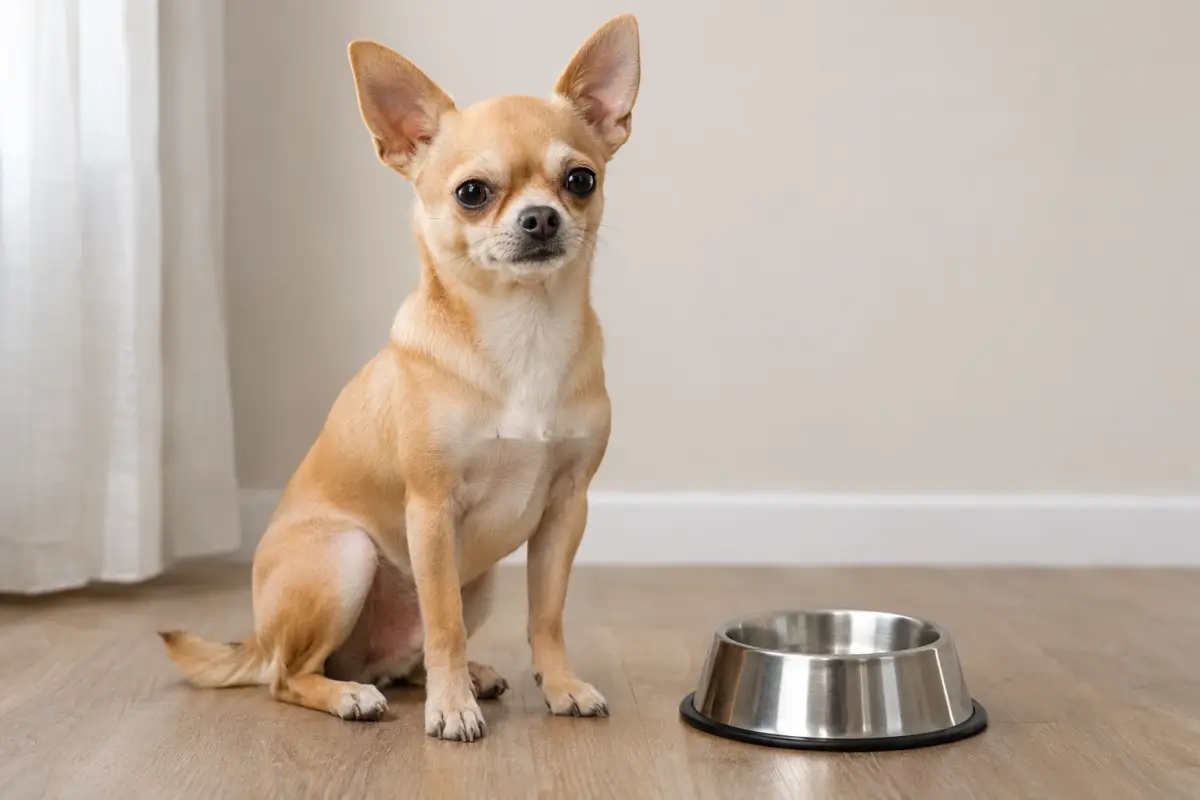
By Matt GarnettUpdated November 13, 20264 min read3 sources
What matters most for a Chihuahua
Portion size is the biggest issue, because the numbers are so small. VCA Animal Hospitals lists the Chihuahua at around 6 pounds and notes the breed tends to become obese, with extra weight easily hidden under a long coat. A few pieces of cheese or a bite of toast can be a meaningful share of a tiny dog's daily calories.
The label still matters most for quality: look for an AAFCO statement that the food is complete and balanced for your dog's life stage. Small-breed formulas usually offer smaller kibble and higher calorie density, which suits dogs that can only eat a little at a time, but a standard adult food in a small kibble size can work equally well. Because the portions are so small, a shallow slow feeder bowl for small dogs such as this single slow-feed bowl can make a few spoonfuls last longer.
Feeding a Chihuahua puppy
Very small puppies are prone to hypoglycemia, a dangerous drop in blood sugar. VCA advises frequent small meals of a food rich in protein, fat and complex carbohydrates to help prevent it. In practice that means a growth-labeled puppy food offered four times a day at first, and never skipping meals in young puppies.
Know the warning signs: a puppy that becomes weak, wobbly, trembling, unusually sleepy or unresponsive needs a vet urgently, the same day. The AKC suggests small breeds usually move to adult food at around 7 to 9 months; ask your vet before switching a very small puppy.
Kibble size, wet food and dental health
Chihuahuas are prone to periodontal disease, which VCA notes regular tooth brushing can largely prevent. Small, crunchy kibble does not clean teeth on its own, so plan for brushing whatever food you choose. Tiny mouths also crowd teeth, which traps food, so wet-only diets make home dental care even more important.
Kibble should be small enough to crunch rather than swallow whole. Wet food suits seniors with missing teeth and picky eaters, but it is easy to overfeed, so measure it. Mixing a spoonful of wet food into dry is a common approach; subtract its calories from the dry portion. A low raised feeding stand for small dogs can also keep a tiny dog's bowl at a comfortable height.
Senior Chihuahuas and picky eaters
Chihuahuas often live 14 to 18 years, per VCA, so many spend a third of their lives as seniors. Older dogs may need fewer calories, softer textures if teeth have been removed, and closer monitoring of weight in both directions. A sudden loss of appetite in a small dog is worth a call to your vet within a day.
Picky eating is common in toy breeds and is often learned: offering a new topping every time a meal is refused teaches the dog to wait for something better. Offer the meal for 15 to 20 minutes, then pick it up until the next scheduled meal, unless your vet advises otherwise for a puppy or a dog with health problems.
What to avoid
Avoid free feeding, large dog treats and generous human food. If a dog bolts its meals, try a slow feeder bowl for small dogs before cutting portions, and keep training treats in a treat pouch such as this training snack bag so you can count them out. Avoid kibble that is too big to crunch, and hard chews that can fracture small teeth. Do not buy on buzzwords such as holistic or premium, which have no nutritional definition.
The WSAVA Global Nutrition Committee suggests asking any maker whether it employs a qualified nutritionist, who formulates the diet and what quality control it runs. If you are considering a grain-free, raw or home-made diet, discuss it with your vet first.
This page is general information, not veterinary advice, and it cannot replace an examination by the vet who knows your pet.
Common questions
What is the best food for a Chihuahua?
A complete and balanced AAFCO diet for your dog's life stage, in a small kibble size, fed in measured portions. Pair it with regular tooth brushing, because Chihuahuas are prone to dental disease.
How often should a Chihuahua puppy eat?
Small puppies need frequent meals, typically four a day at first, to avoid low blood sugar. Weakness, trembling or unusual sleepiness in a tiny puppy needs a vet the same day.
Is wet or dry food better for a Chihuahua?
Either can be complete and balanced. Dry food is easier to portion; wet food suits seniors with few teeth. Whatever you feed, brush the teeth, because food alone does not keep them clean.
How do I know if my Chihuahua is overweight?
You should feel the ribs easily and see a waist from above. A long coat hides weight, so feel with your hands and ask your vet to weigh your dog at each visit.
Sources we checked
This guide is general information, not veterinary advice. If your pet is unwell or injured, contact your veterinarian.


