Buying guides
Best Food for Cavalier King Charles Spaniels: What to Look For
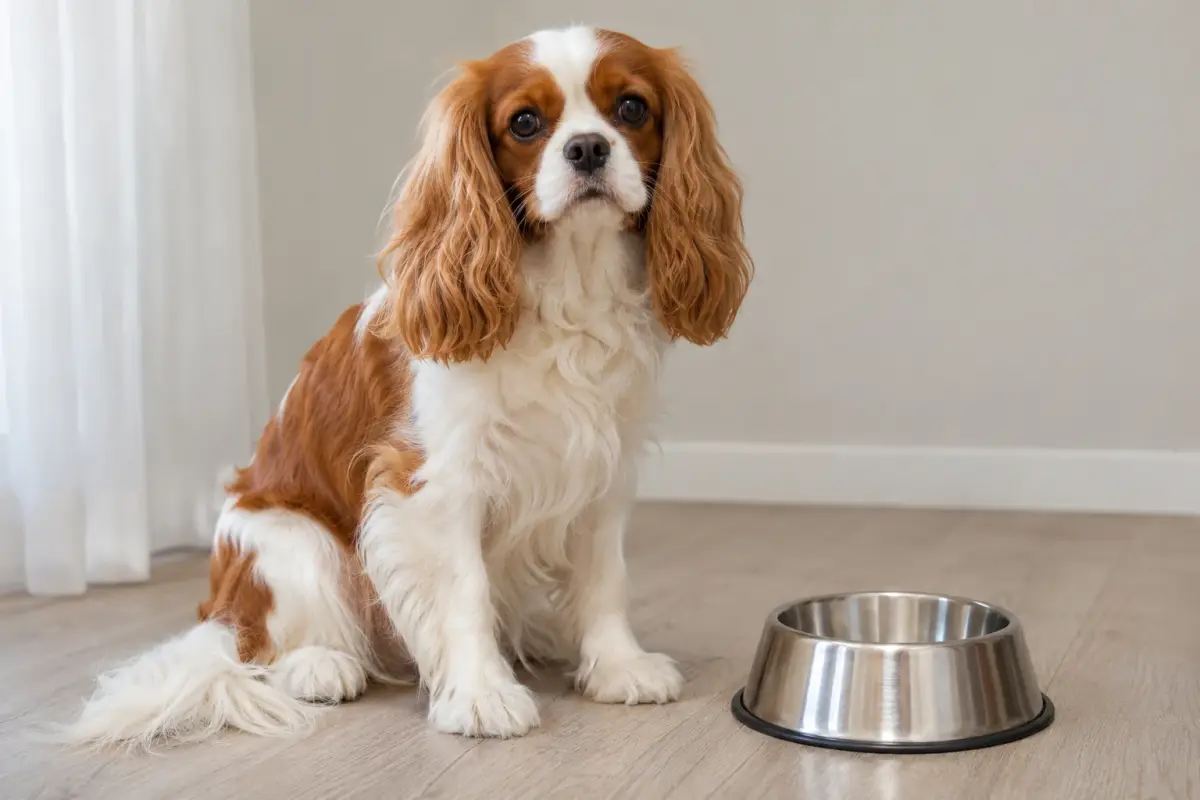
The best food for a Cavalier King Charles spaniel is a complete and balanced diet with an AAFCO statement for its life stage, fed in measured portions that keep this food-loving breed lean. Cavaliers typically weigh 13 to 18 lb, so a few extra treats add up fast. Because heart disease is common in the breed, involve your vet in diet choices rather than following grain-free or boutique trends.
By Matt GarnettUpdated November 14, 20263 min read3 sources
What matters most for a Cavalier
Completeness and quality first. Look for an AAFCO nutritional adequacy statement saying the food is complete and balanced for your dog's life stage. The WSAVA's guidance suggests choosing manufacturers that employ qualified nutritionists and can explain how they formulate and test their foods, because the ingredient list alone says little about quality.
Portion control second. Cavaliers are small, sociable dogs that are very good at getting extra food, and VCA lists higher risks of heart disease, arthritis and diabetes in overweight dogs. For a breed already prone to heart problems, staying lean matters. At mealtimes, a bowl made for long-eared dogs keeps those ears out of the food.
Kibble size and food type
A small-breed or small-bites kibble suits a Cavalier's mouth, though many do fine on standard kibble. Small-breed formulas are usually more calorie dense per cup, so smaller portions go further. Wet food adds moisture and flavor and can be mixed with dry; count its calories too.
Fresh cooked diets can be fine if formulated by a qualified nutritionist and labeled complete and balanced. Raw diets carry bacterial risks for the household, and the WSAVA flags raw and homemade diets as harder to get right.
Heart health and diet trends
Mitral valve disease is very common in Cavaliers, and most develop a heart murmur as they age. No food prevents it, and no diet should be chosen as a heart treatment without your vet. Regular heart checks, including listening for a murmur at every visit, matter more than any label claim.
Be cautious with grain-free and pulse-heavy diets. The FDA has investigated a possible link between some diets, many grain-free with peas, lentils or potatoes high in the ingredient list, and dilated cardiomyopathy; it says causation is not established. For a breed already at heart risk, discuss any diet change with your vet.
Puppies and seniors
Cavalier puppies need a complete puppy food until about 9 to 12 months, as small breeds mature faster than large ones. Feed three or four small meals a day at first, moving to two meals as an adult. Your vet can confirm timing.
Senior Cavaliers often need fewer calories as activity drops. If your vet diagnoses heart disease, they may recommend specific diet changes, such as sodium control; follow their plan rather than switching on your own.
Treats and weight checks
Keep treats to about 10 percent of daily calories, as VCA advises for weight control, and use small pieces of the dog's own kibble for training. Avoid table scraps, which are often salty and fatty.
Check your Cavalier's ribs often: VCA describes ideal as ribs that feel like the back of your hand. The coat can hide weight, so feel rather than look, and weigh your dog every month or two. Browse spaniel dog bowls and dog treat pouches for feeding and training gear, or toys for Cavalier King Charles Spaniels as non-food rewards.
Changing food and when to call your vet
Switch foods over about a week, gradually mixing in the new food. Keep a note of what your dog eats if your vet is managing heart or digestive problems.
Call your vet for coughing, faster breathing at rest, tiring easily, fainting, a swollen belly, vomiting or a change in appetite. In a Cavalier, breathing changes at rest can be an early sign of heart trouble and should never wait.
This page is general information, not veterinary advice, and it cannot replace an examination by the vet who knows your pet.
Common questions
What is the best food for a Cavalier King Charles spaniel?
A complete and balanced food with an AAFCO statement for its life stage, from a maker with qualified nutritionists, fed in measured portions. Your vet can tailor the choice, especially if heart disease is present.
How much should a Cavalier eat?
It depends on weight, age, activity and the food's calories. Start from the bag guideline for your dog's ideal weight, measure every meal and adjust so the ribs are easy to feel.
Is grain-free food good for Cavaliers?
There is no proven benefit without a diagnosed grain allergy, and the FDA has investigated a possible link between some grain-free diets and heart disease. Given the breed's heart risk, ask your vet first.
Can diet prevent heart disease in Cavaliers?
No diet is proven to prevent mitral valve disease, which is common in the breed. Keeping a healthy weight helps overall health, and regular vet checks catch heart changes early.
Sources we checked
This guide is general information, not veterinary advice. If your pet is unwell or injured, contact your veterinarian.