Food safety
Can Dogs Eat Yogurt? Yes, if Plain and Xylitol-Free
Yes, in moderation, most dogs can eat yogurt, as long as it is plain, unsweetened and free of xylitol. Yogurt is not toxic, and a spoonful makes a cool topper or a filling for a frozen chew toy. Some dogs do not digest lactose well, though, and flavored yogurts carry sugar and sometimes sweeteners that are dangerous for dogs. Here is how to pick the right tub and how much to give by weight.
By Matt GarnettUpdated November 13, 20264 min read3 sources
Why plain yogurt is usually fine
The AKC says yes, dogs can eat yogurt, while noting it is not always a good idea for every dog. Yogurt is not toxic, and plain, unsweetened yogurt is a reasonable snack for dogs that tolerate dairy. Fermentation lowers the lactose compared with milk, and strained Greek-style yogurt is lower still.
The limit is lactose. Dogs make only small amounts of the enzyme that digests it, so some dogs react to yogurt with gas or diarrhea even though others handle it easily. Yogurt is also a source of fat and calories, so it is a treat, not a food group.
Yogurts that are not safe for dogs
Always read the label. Light, sugar-free and some high-protein yogurts are sweetened with xylitol, which can cause a sudden drop in blood sugar and liver damage in dogs. If your dog ate yogurt containing xylitol, call your vet, ASPCA Animal Poison Control at (888) 426-4435 or Pet Poison Helpline at (855) 764-7661 right away; a fee may apply.
Also skip fruit-on-the-bottom, vanilla and other flavored yogurts with added sugar, chocolate or coffee yogurt, yogurt-covered raisins and pretzels, and frozen yogurt from the shop. The AKC's human food guide recommends checking yogurt labels for added sugar, cocoa and xylitol.
How to choose and serve yogurt
Choose plain, unsweetened yogurt, ideally Greek-style with live cultures, which the AKC notes is lower in lactose. Nonfat or low-fat is better for most dogs, especially those watching their weight. The ingredients should read milk and cultures and little else.
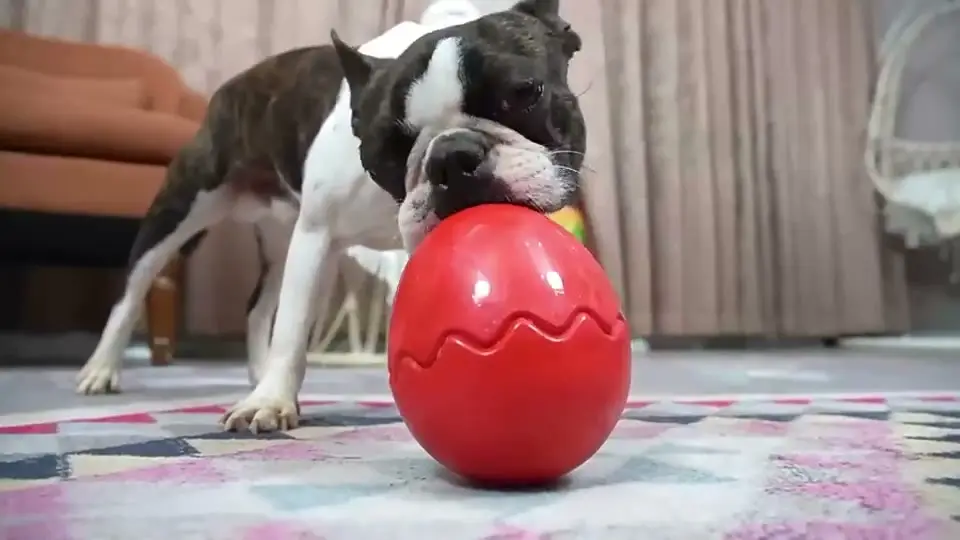
Serve a spoonful on top of your dog's food, or spoon it into a hollow rubber toy and freeze it overnight for a long-lasting treat on a hot day. Mixing in a few plain blueberries or a spoonful of plain canned pumpkin adds variety without risk.
If you like to share small snacks, a lick mat or a treat ball makes a little go further and slows a fast eater down.
How much yogurt by dog weight
Start small and keep yogurt within the 10 percent treat allowance. A dog under 20 lb can have about a teaspoon, a dog of 20 to 50 lb about a tablespoon, and a dog over 50 lb up to two tablespoons, a few times a week rather than every day.
For the first serving, offer half of that and see how your dog's stomach responds over the next day. If your dog is overweight, has had pancreatitis, or is on a prescription diet, ask your vet before adding yogurt.
Puppies and yogurt
Puppies can try a tiny amount of plain yogurt once weaned, but their digestion is easily upset by new foods. Offer a quarter teaspoon the first time and watch for loose stool over the next day.
A puppy's calories need to come mainly from a complete puppy food, so yogurt should stay a lick-sized occasional extra. Never give a puppy flavored or sweetened yogurt, and keep cups and spoons out of reach.
Signs yogurt disagreed with your dog
Lactose intolerance usually shows within a few hours to a day: gas, a gurgling belly, loose stool or diarrhea, and sometimes vomiting. If that happens, stop the yogurt; the signs normally settle within a day.
Call your vet the same day for repeated vomiting, bloody diarrhea, refusal to eat or lethargy. Weakness, wobbliness, vomiting or seizures after eating a sugar-free yogurt can mean xylitol poisoning and need an emergency clinic now.
This page is general information, not veterinary advice, and it cannot replace an examination by the vet who knows your pet.
Common questions
Can dogs eat Greek yogurt?
Yes. Plain, unsweetened Greek yogurt is often the best choice because straining lowers the lactose. Check that it has no xylitol or added sugar, and start with a small spoonful to see how your dog tolerates it.
Can dogs eat vanilla yogurt?
It is best not to. Vanilla yogurt usually contains added sugar, and some light versions use xylitol, which is dangerous for dogs. Plain, unsweetened yogurt is the safer option.
Can dogs eat strawberry yogurt?
Fruit yogurts carry added sugar and sometimes artificial sweeteners, so they are not recommended. Mix a little plain yogurt with a few pieces of fresh strawberry instead if you want to share the flavor.
Can dogs eat frozen yogurt?
Store-bought frozen yogurt is high in sugar and may contain xylitol or chocolate. Freeze plain, unsweetened yogurt in a chew toy or ice cube tray at home instead for a safer cool treat.
Can dogs eat yogurt every day?
A small daily spoonful of plain yogurt is fine for many dogs that tolerate dairy, as long as it fits the treat allowance. If you notice gas or soft stool, cut back to a few times a week or stop.
Sources we checked
This guide is general information, not veterinary advice. If your pet is unwell or injured, contact your veterinarian.