Food safety
Can Dogs Eat Tuna? Only Occasionally, Because of Mercury
Yes, but only occasionally and in small amounts. Tuna is not poisonous to dogs, but it is a large, long-lived fish that builds up mercury, and the AKC warns that feeding it regularly is the real risk. If you share it, choose canned light or skipjack tuna packed in water with no added salt, and keep it to a forkful now and then. Tuna in oil, seasoned tuna salad and raw tuna are best avoided.
By Matt GarnettUpdated November 13, 20264 min read3 sources
Why tuna is a treat, not a staple
Tuna offers protein and omega-3 fats, and plain cooked fish is something most dogs love. The problem is mercury. Big predatory fish like tuna and swordfish accumulate it over their lifetimes, and the American Kennel Club notes that dogs are sensitive to mercury, so small amounts eaten often matter more than a one-off.
That makes tuna very different from shorter-lived fish such as salmon, whitefish or flounder, which carry much less. An occasional spoonful of tuna is unlikely to cause harm, but a daily habit, or a homemade diet built around canned tuna, is a bad idea.
Which tuna to choose, and which to avoid
Choose canned chunk light or skipjack tuna packed in water, labeled no salt added. Light tuna comes from smaller species and is lower in mercury than albacore, which is sold as solid white tuna. Drain the can well before serving.
Avoid tuna packed in oil, which adds fat that can upset the stomach, and flavored pouches with lemon pepper, garlic or chili. Tuna salad usually contains mayonnaise, onion and celery, and sushi or poke brings raw fish, soy sauce, avocado and seasoning. Raw tuna can carry parasites and bacteria, so do not share it.
How to serve tuna
Drain a can of light tuna in water, flake it with a fork and check for any bones or hard pieces. Stir a small amount into your dog's regular food, or use a few flakes as a high-value training reward. Fresh tuna should be cooked plain, without oil or seasoning, then cooled and flaked.
Put the opened can in the refrigerator and use it within a couple of days. Rinse cans before recycling, since a dog licking the sharp edge of an empty tuna can is a common cause of cut tongues.
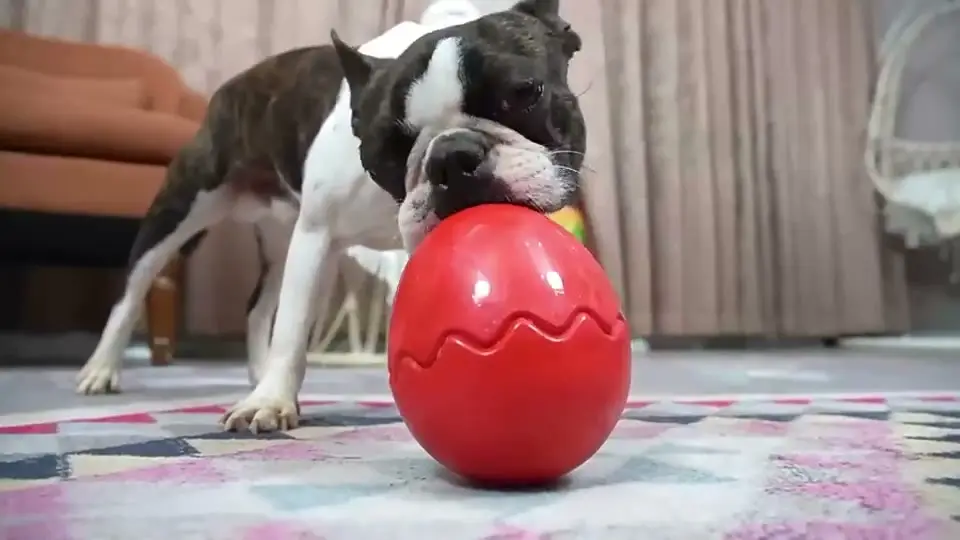
If you like to share small snacks, a lick mat or a treat ball makes a little go further and slows a fast eater down.
How much tuna by dog size
Under 20 lb: about a teaspoon. Between 20 and 50 lb: about a tablespoon. Over 50 lb: up to two tablespoons. Keep it to once a week or less, and count it within the 10 percent of daily calories that treats should make up.
If you want to add fish to your dog's routine more often, choose lower-mercury fish such as cooked salmon, or a commercial food or treat made with fish. Dogs with kidney disease or on a low-sodium diet should only have fish their vet has approved.
Puppies, pregnant dogs and small breeds
Puppies and pregnant or nursing dogs are the ones to protect most from mercury, since a developing nervous system is the most vulnerable. Skip tuna for them and use other proteins for training rewards, such as small pieces of plain cooked chicken.
Toy breeds get a larger dose for their size from the same forkful. A few flakes is the most a dog under 10 lb should have, and not every week.
Signs of trouble and when to call the vet
Too much tuna, especially oil-packed or salty, can cause vomiting, diarrhea or increased thirst within a day. Offer fresh water and skip treats.
Signs that suggest mercury buildup from long-term feeding include loss of coordination, tremors, unusual anxiety, vision changes and hair loss. If your dog has eaten tuna regularly and shows any of these, see your vet promptly. If your dog ate tuna salad with onion, or swallowed fish bones and is retching, call your vet the same day.
This page is general information, not veterinary advice, and it cannot replace an examination by the vet who knows your pet.
Common questions
Can dogs eat canned tuna?
Yes, occasionally. Pick light or skipjack tuna packed in water with no added salt, drain it, and give a small amount. Avoid albacore, oil-packed and flavored tuna, and do not feed it regularly.
Can dogs eat tuna every day?
No. Tuna builds up mercury, and daily feeding raises the risk of mercury toxicity in dogs. Keep it to an occasional small treat and use lower-mercury fish if you want to feed fish more often.
Can dogs eat raw tuna or sushi?
It is best avoided. Raw tuna can carry parasites and bacteria and has the same mercury concern. Sushi also brings soy sauce, rice, wasabi and seasonings that can upset a dog's stomach.
Can dogs eat tuna in olive oil?
Oil-packed tuna is not toxic, but the extra fat can cause vomiting and diarrhea and adds calories. If your dog ate some, offer water and watch them. Choose tuna packed in water next time.
Is cat food with tuna safe for dogs?
A few bites of cat food will not hurt a healthy dog, but cat food is richer in fat and protein than dogs need. Regular snacking can cause stomach upset and weight gain.
Sources we checked
This guide is general information, not veterinary advice. If your pet is unwell or injured, contact your veterinarian.