Food safety
Can Dogs Eat Sweet Potato Skin? Best Peeled — Here's Why
It is best to peel it. Sweet potato skin is not toxic to dogs, and a small piece of soft, cooked skin is unlikely to cause harm, but the American Kennel Club recommends removing the skin because it is harder for dogs to digest. Tough, chewy skin from a baked sweet potato can upset the stomach or, in a dog that gulps, be a choking risk. Raw sweet potato, skin or flesh, should never be fed. Here is how to serve it.
By Matt GarnettUpdated November 13, 20264 min read2 sources
Is sweet potato skin safe for dogs?
The skin of a sweet potato is not poisonous to dogs. It contains fiber and some of the same nutrients as the flesh. The AKC's advice, though, is to cook sweet potato and remove the skin before feeding, because the skin is harder for a dog to digest than the soft orange flesh.
In practice, a few soft pieces of cooked skin mixed into a portion of mashed sweet potato will not cause most dogs any problem. A dog that eats a whole pile of baked skins, or tough, leathery skin from the oven, is more likely to have an upset stomach.
Raw sweet potato and blockages
Never give a dog raw sweet potato, with or without the skin. The AKC warns that raw sweet potato is hard to chew, can upset the stomach and can cause an intestinal blockage. Raw chunks are dense and slippery, and a dog that swallows one whole can choke.
Cooking makes sweet potato soft enough to mash, which is what removes the choking risk. The AKC suggests making sure it is soft, especially for dogs that gulp their food. If you have dropped a raw sweet potato on the floor, pick it up before your dog treats it as a ball to chew.
How to prepare sweet potato for a dog
Scrub the sweet potato, then bake, boil or steam it until a fork slides through easily. Let it cool, peel away the skin and mash or dice the flesh. If you want to include a little skin, chop it finely and mix it into the mash, rather than serving strips of skin on their own.
Add nothing: no butter, salt, brown sugar, marshmallows, maple syrup or spices. Commercial dehydrated sweet potato chews are made for dogs and are fine for many, but choose a size your dog cannot swallow whole, and supervise chewing.
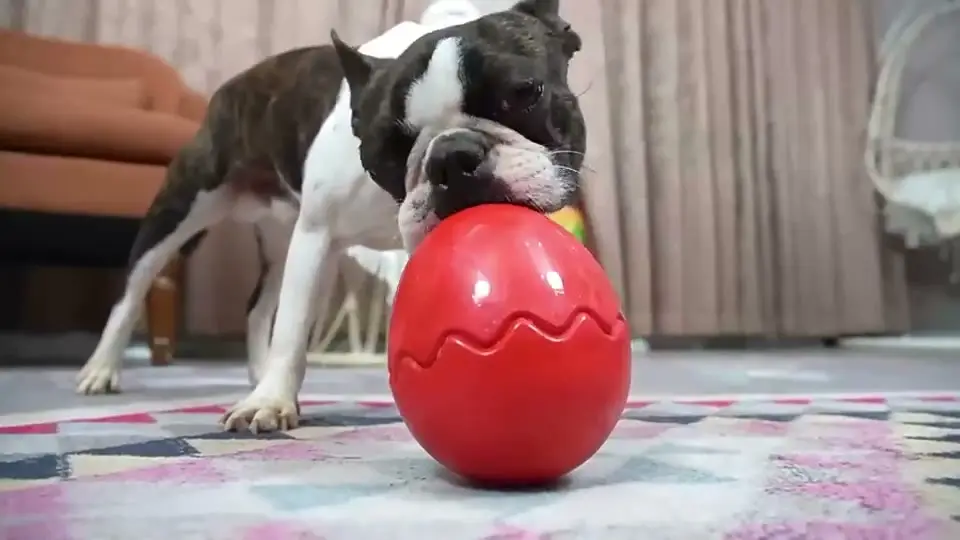
If you like to share small snacks, a lick mat or a treat ball makes a little go further and slows a fast eater down.
How much sweet potato by weight
The AKC notes that portion size depends on your dog's size, activity level and health, and warns that too much can cause problems from excess vitamin A. A guide for plain cooked sweet potato: one to two teaspoons for dogs under 20 lb; one to two tablespoons for dogs of 20 to 50 lb; up to a quarter cup for dogs over 50 lb.
Keep it to a few times a week. The AKC advises only a minimal amount for diabetic, overweight or less active dogs because sweet potatoes have a high glycemic index. Check with your vet before adding it if your dog has any of those conditions.
Sweet potato for puppies
Puppies can try a little plain, cooked, peeled and mashed sweet potato once they are eating solid food well. Start with half a teaspoon for small-breed puppies and a teaspoon for large breeds, and watch for loose stool the next day.
Skip the skin entirely for puppies, as their digestive systems are more easily upset. Puppy food is balanced for growth, so sweet potato should stay a small, occasional extra rather than part of each meal.
Signs sweet potato skin disagreed with your dog
Gas, a gurgling stomach, soft stool or a single vomit within a few hours to a day are the usual signs that skin or too much sweet potato did not suit your dog. These usually settle with normal food and water.
Call your vet the same day if vomiting repeats, your dog stops eating, strains without passing stool or has a painful belly, which can suggest a blockage after raw sweet potato or a large amount of skin. Gagging or difficulty swallowing needs a vet immediately.
Thanksgiving sweet potatoes and dogs
Sweet potato casserole, candied yams and sweet potato pie are Thanksgiving staples, but they are loaded with butter, sugar, syrup and marshmallows, and some recipes add nutmeg, pecans or raisins. Sugar-free versions may use xylitol, which the ASPCA warns can cause a dangerous drop in blood sugar in dogs.
Before you add toppings, set aside a spoonful of plain baked sweet potato flesh for your dog. Keep the dish away from the counter edge, and if your dog ate casserole made with raisins or xylitol, call your vet or ASPCA Animal Poison Control at (888) 426-4435; a fee may apply.
This page is general information, not veterinary advice, and it cannot replace an examination by the vet who knows your pet.
Common questions
Can dogs eat cooked sweet potato skin?
A small amount of soft, cooked skin is unlikely to harm most dogs, but the AKC recommends peeling sweet potatoes because the skin is harder to digest. If you share skin, chop it finely and mix it into the flesh.
Can dogs eat raw sweet potato?
No. Raw sweet potato is hard to chew, can upset the stomach and can cause an intestinal blockage, according to the AKC. Always cook it until soft before sharing.
Can dogs eat sweet potato fries?
It is best not to. Sweet potato fries are cooked in oil and usually salted or seasoned, which can upset a dog's stomach. A plain oven-baked wedge with no oil or salt is a better option.
Can dogs eat sweet potatoes every day?
Small amounts a few times a week suit most dogs better than daily servings, because of the starch and vitamin A. Diabetic or overweight dogs should have only minimal amounts, with their vet's approval.
Can dogs eat sweet potato casserole?
No. Casserole usually contains butter, sugar, marshmallows and sometimes nuts, nutmeg or raisins. A lick is unlikely to cause harm, but call your vet if your dog ate a large amount or the recipe used xylitol or raisins.
Sources we checked
This guide is general information, not veterinary advice. If your pet is unwell or injured, contact your veterinarian.