Food safety
Can Dogs Eat Spaghetti Sauce? No — Garlic and Onion
No, dogs should not eat spaghetti sauce, because nearly every jarred or homemade sauce contains garlic and onion, which can poison dogs by damaging their red blood cells. The AKC says tomato-based products often contain garlic, onions, salt or sugar and should be avoided. A lick is unlikely to harm, but a bowl of sauce is worth a call to your vet, the ASPCA Animal Poison Control Center at (888) 426-4435 or Pet Poison Helpline at (855) 764-7661. A fee may apply.
By Matt GarnettUpdated November 13, 20264 min read3 sources
Why spaghetti sauce is risky for dogs
The tomato is not the main problem. The AKC considers ripe tomatoes non-toxic, but says tomato-based products such as pasta sauce should be avoided because they often contain garlic, onions, salt or sugar, which can be harmful or irritating to dogs.
The ASPCA explains that garlic and onion, both Allium vegetables, can cause stomach irritation and red blood cell damage that can lead to anemia. In sauces they are often cooked down or added as powder, which concentrates them, and you cannot pick them out once they are mixed in.
Meat sauce, cheese and the rest of the plate
Bolognese and meat sauces add fatty ground beef or sausage, and the plate often carries parmesan, garlic bread and buttered pasta. Fatty meals commonly cause vomiting and diarrhea in dogs and can trigger pancreatitis, especially in small breeds.
Some sauces also include red wine, which adds alcohol, or chili flakes that irritate the gut. Meatballs are usually seasoned with garlic, onion and herbs, and some herbs used in Italian cooking, such as oregano, are listed as toxic by the ASPCA.
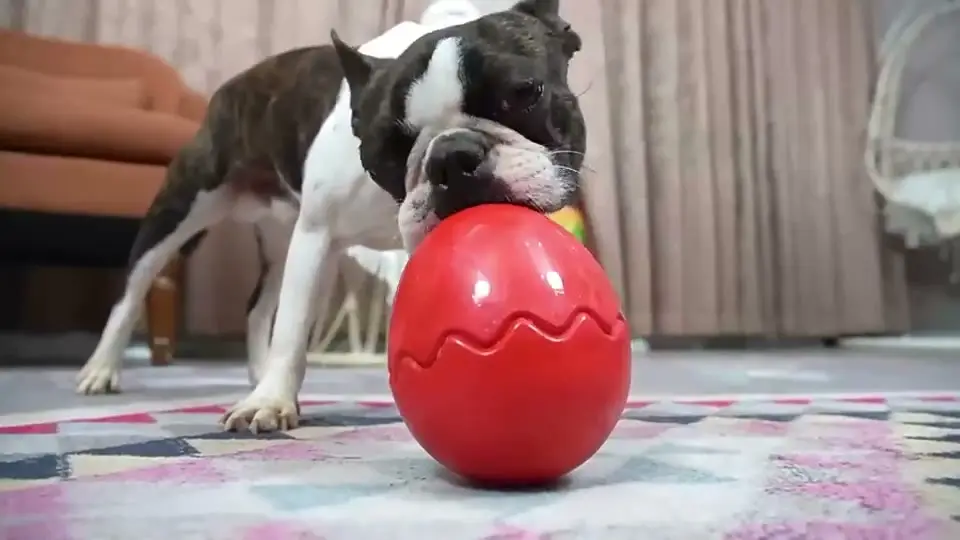
If you like to share small snacks, a lick mat or a treat ball makes a little go further and slows a fast eater down.
My dog ate spaghetti sauce: what to do
Work out roughly how much sauce was eaten and check the jar label or recipe for garlic, onion, wine and sweeteners. A lick or a strand of sauced spaghetti for a medium or large dog usually needs only monitoring.
Call your vet or a poison line if your dog ate a bowl of sauce or a plate of spaghetti, if your dog is small, or if the sauce had a lot of garlic or onion. Do not make your dog vomit unless told to. Signs of red blood cell damage can take a few days, so call even if your dog seems fine now.
Is any amount of spaghetti sauce okay?
There is no serving to recommend. The amount of garlic and onion varies widely between recipes and brands, and the effect can build up when small amounts are eaten repeatedly, so even regular licks from plates are best avoided.
Dogs under 20 lb, puppies, and certain breeds that are more sensitive to onion damage are at higher risk. The AKC notes that Akitas and Shiba Inus are more susceptible to onion toxicity.
Puppies and spaghetti sauce
Puppies are small, so the same spoonful of garlicky sauce is a much larger dose for them, and the fat and acidity are more likely to cause diarrhea. A puppy that ate pasta sauce should be discussed with a vet sooner rather than later.
Keep plates and saucepans out of reach while they cool, and scrape leftovers into a lidded trash can. Puppies quickly learn to jump for anything that smells of meat sauce.
Signs to watch for and when to call a vet
Stomach upset can appear within a few hours: vomiting, diarrhea, drooling or a sore belly. Signs of onion and garlic damage often take a few days to appear and include weakness, lethargy, pale gums, fast breathing, a fast heart rate and reddish or dark urine.
Go to a vet the same day for repeated vomiting, a painful belly or lethargy. Go straight away for pale gums, rapid breathing, collapse or dark urine, and tell the vet what the dog ate and when.
Common questions
Can dogs eat spaghetti with sauce?
It is best not to share it. The sauce usually contains garlic and onion, which can damage a dog's red blood cells. Plain cooked spaghetti with nothing on it is fine in small amounts.
Can dogs eat marinara sauce?
No. Marinara is usually made with garlic, onion, herbs and salt. A lick is unlikely to harm a large dog, but call your vet if your dog ate more than a spoonful.
Can dogs eat Ragu or Prego sauce?
Jarred pasta sauces generally list garlic and onion among their ingredients, along with salt and sugar. Check the label, and call your vet if your dog ate a significant amount.
Can dogs eat meat sauce?
Meat sauce combines garlic and onion with fatty ground meat, which can cause stomach upset or pancreatitis. Share plain cooked lean meat with no sauce instead.
How long after eating garlic sauce will a dog get sick?
Stomach upset can start within hours, while red blood cell damage often shows a few days later. Call your vet promptly rather than waiting for signs to appear.
Sources we checked
This guide is general information, not veterinary advice. If your pet is unwell or injured, contact your veterinarian.