Food safety
Can Dogs Eat Sourdough Bread? Baked Yes, Starter No
A small piece of plain, baked sourdough bread is safe for most dogs, but raw sourdough dough and sourdough starter are dangerous. If your dog ate unbaked dough or starter, call your vet, the ASPCA Animal Poison Control Center at (888) 426-4435 or Pet Poison Helpline at (855) 764-7661 now; a fee may apply. Live yeast keeps fermenting in the stomach, swelling the dough and releasing alcohol. Baked sourdough is just bread: a filler, fine as an occasional bite.
By Matt GarnettUpdated November 13, 20264 min read2 sources
Why raw dough and starter are an emergency
Sourdough is leavened with a starter, a living mix of flour, water, wild yeast and bacteria. The American Kennel Club explains that when a dog eats raw yeast dough, the yeast keeps working in the warm, wet stomach: the dough rises, which can cause bloat, and fermentation releases ethanol into the bloodstream.
The ASPCA also warns that yeast dough can rise and cause gas to build up in a pet's digestive system. A jar of starter on the counter, a proofing loaf in a bowl or dough scraps in the trash are all the same risk. Do not wait for signs: call a vet or a poison line immediately.
Signs after eating raw dough
The AKC lists signs of alcohol toxicosis from dough as weakness, an unsteady gait, low body temperature, seizures and coma. Bloat from rising dough shows as a swollen, tight belly, retching without bringing anything up, restlessness and drooling.
These can develop within hours, so go to a vet straight away if you see any of them. Do not try to make your dog vomit at home unless a vet tells you to. Bring the starter jar or recipe so the vet knows what was in it.
Why baked sourdough is fine in small amounts
Baking kills the yeast and drives off the alcohol, so a finished sourdough loaf is no more dangerous than other plain bread. The AKC says plain white and wheat bread are generally safe for dogs without a wheat allergy, but bread adds nothing a dog's food does not already provide.
Its carbohydrates add calories, and the AKC notes bread can contribute to obesity. The tangy flavor comes from acids made during fermentation, which are harmless in a small bite. The crust is hard, so tear off a soft piece rather than offering a heel to a dog that gulps.
Sourdough loaves to keep away from dogs
Many sourdough loaves are not plain. Raisin sourdough is dangerous, because the AKC warns raisins are highly toxic to dogs and even a few can cause problems. Garlic, onion and chive breads, olive loaves and cheesy jalapeno rolls bring the onion family, salt and fat.
Walnut, pecan and seeded loaves add fat, and the AKC names macadamia nuts as the most dangerous nut. Some sweetened breads and spreads contain xylitol. Buttered toast, garlic bread and bread dipped in olive oil and seasoning are also best kept on your plate.
How much baked sourdough by dog size
The AKC recommends feeding only very small pieces of bread, and only in moderation. As a guide for a healthy adult dog: under 20 lb, a piece about the size of a postage stamp; 20 to 50 lb, a piece the size of a cracker; over 50 lb, up to a quarter of a slice.
Offer it now and then rather than daily, and skip it for overweight dogs or those with a wheat allergy. If your dog is diabetic or on a prescription diet, ask your vet before giving bread at all.
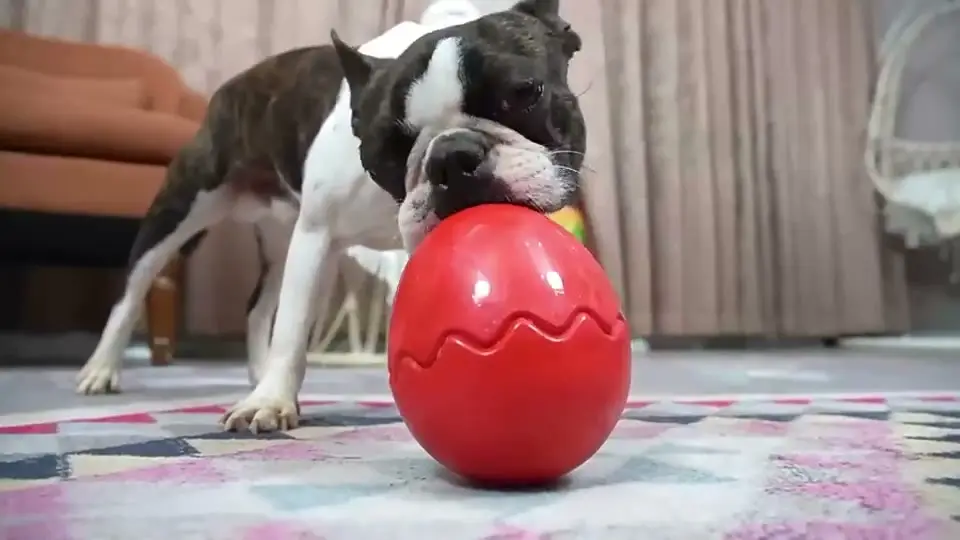
If you like to share small snacks, a lick mat or a treat ball makes a little go further and slows a fast eater down.
Puppies and sourdough
Puppies are the most likely to raid a bowl of rising dough, and their small size makes the alcohol and bloat more dangerous. Keep starter and proofing dough well out of reach, and treat any raw dough a puppy eats as an emergency.
Baked sourdough is not harmful to a weaned puppy in a tiny piece, but it is empty calories at a time when a puppy needs a complete puppy food. A thumbnail-size piece of the soft inside is enough if you want to share.
When to call a vet, and better treats
After baked sourdough, mild upset such as a soft stool or gas usually settles within a day. Call your vet if vomiting repeats, your dog seems lethargic, or the loaf contained raisins, garlic, onion, nuts or xylitol. After raw dough or starter, call immediately, even if your dog seems fine.
For a treat with fewer calories, try plain cooked green beans, carrot coins, cucumber or blueberries. Keep sourdough starter in a sealed jar on a high shelf, and bag dough scraps before they go in the trash.
This page is general information, not veterinary advice, and it cannot replace an examination by the vet who knows your pet.
Common questions
My dog ate sourdough starter. What should I do?
Call your vet, the ASPCA Animal Poison Control Center at (888) 426-4435 or Pet Poison Helpline at (855) 764-7661 now. Live yeast can cause bloat and alcohol poisoning, so do not wait for signs.
Can dogs eat sourdough bread crust?
A small piece of plain crust is not toxic, but it is hard and chewy and easy for a gulping dog to choke on. Tear off a small soft piece instead.
Is sourdough better for dogs than white bread?
Not in any way that matters. Both are plain bread once baked and add calories without nutrients a dog needs. Plain sourdough and plain white bread are equally fine as a rare bite.
Can dogs eat sourdough discard?
No. Discard is raw starter with live yeast, so it can rise in the stomach and produce alcohol. Bin it in a sealed bag and call your vet if your dog ate some.
Can dogs eat sourdough with butter?
Skip the butter. A tiny amount is unlikely to cause harm, but fat can upset the stomach and contribute to pancreatitis. Plain baked sourdough is the better choice if you share.
Sources we checked
This guide is general information, not veterinary advice. If your pet is unwell or injured, contact your veterinarian.