Food safety
Can Dogs Drink Soda? Caffeine and Ingredient Risks
No, do not give a dog soda: caffeinated varieties contain a stimulant that can poison dogs. Pet Poison Helpline advises fresh water instead of soda, which has no necessary nutritional role. Products differ, so a caffeine-free drink, a cola, and an energy-containing mixture should not be described as identical exposures. After a spill or stolen drink, keep the actual label and tell your veterinarian what the dog could have consumed.
By Matt GarnettUpdated November 13, 20264 min read3 sources
Check which drink was actually available
Pet Poison Helpline discusses caffeine, sugar, and other ingredients when explaining why soda is unsuitable for dogs. That is a reason to keep soft drinks away, not a reason to assume every product contains the same recipe. Read the exact container rather than relying only on its color or the household name for the drink.
Record whether the dog licked a spill, reached an open cup, or chewed a container. Include anything mixed into the drink and say when the amount is uncertain. Keep the account about the actual event instead of estimating a caffeine amount from a different product or a generic internet list.
Caffeine affects the nervous system and heart
VCA describes caffeine as a stimulant and explains that dogs are more sensitive to its effects than people. Pet Poison Helpline identifies soda among the products that may contain it. A caffeinated soft drink therefore needs an ingredient-based exposure assessment rather than being treated as harmless flavored water.
Do not use the dog’s normal appearance immediately after the incident as a home test for safety. Call about a concerning amount or uncertain product and give the veterinary professional the label, timing, and dog’s weight in pounds. Do not calculate a safe caffeine allowance or deliberately offer a taste to see how the dog reacts.
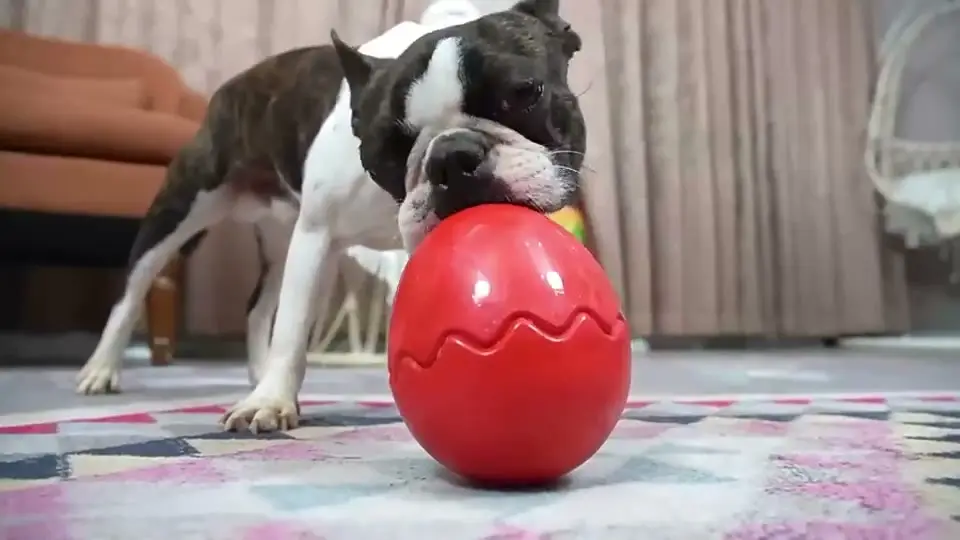
If you like to share small snacks, a lick mat or a treat ball makes a little go further and slows a fast eater down.
Caffeine-free and diet labels answer only part of the question
A caffeine-free claim concerns that ingredient; it does not establish that the whole drink is an appropriate dog reward. Likewise, diet or sugar-free describes a product feature rather than veterinary approval. Keep the complete sweetener and ingredient list available instead of assuming those labels resolve every possible concern.
If a drink contains xylitol or another ingredient you cannot assess, tell the veterinarian directly. Do not substitute one soda for another as a hydration strategy. The practical everyday alternative is fresh water, and a dog refusing normal water or showing an unusual drinking pattern needs a discussion about that change rather than a flavored replacement.
Get advice before trying to correct an exposure at home
For suspected poisoning, contact your veterinarian, ASPCA Animal Poison Control at (888) 426-4435, or Pet Poison Helpline at (855) 764-7661; a fee may apply. Explain the exact drink, estimated amount, time, dog’s weight, symptoms, and anything else available in the cup or spill.
Do not induce vomiting, give human medicine, or attempt to neutralize the drink with another food. Tell the team if a container was chewed or a mixed drink was involved. Follow the instructions given for that dog and exposure rather than borrowing a response intended for coffee grounds, a medication, or a different animal.
Recognize signs without deciding the diagnosis yourself
VCA describes restlessness, vomiting, an increased heart rate, tremors, and seizures among possible caffeine effects. Report unusual excitement, panting, weakness, or any change after access to a drink. These observations are useful to the clinician but do not let an owner identify the cause or severity at home.
Seizures, collapse, breathing difficulty, marked weakness, or severe distress needs urgent veterinary attention. Do not delay the exposure call while waiting for every listed sign to appear. A spilled drink may involve other ingredients, so keep the full history available even if the symptoms seem to resemble a familiar caffeine description.
Keep the water routine simple at home and outside
VCA’s dog-feeding guidance emphasizes the importance of fresh water. Keep suitable drinking water available during meals, travel, and gatherings, and clear soda cups from low surfaces. Store bottles and cans where the dog cannot investigate them. Give puppies the same access protection, together with nutrition appropriate for growth, instead of copying a person’s soft-drink routine.
This page is general information, not veterinary advice, and it cannot replace an examination by the vet who knows your pet.
Common questions
Can dogs have caffeine-free soda?
It is not a useful dog drink, and that label does not evaluate every other ingredient. Use fresh water and describe the exact product to your veterinarian after a concerning exposure.
Does diet soda automatically make a safer choice?
No. Read the complete ingredient and sweetener list rather than judging the product from its diet claim. A different recipe needs its own assessment; choose fresh water for normal drinking.
What should I report if my dog licks a soda spill?
Keep the container and report the exact drink, additions, estimated amount, time, dog’s weight in pounds, and symptoms. Say when you did not observe how much was consumed.
Should I wait for tremors before calling about caffeine?
No. Contact a veterinary professional about a concerning or uncertain exposure before waiting for illness. A dog appearing normal immediately after drinking does not establish that further assessment is unnecessary.
Sources we checked
This guide is general information, not veterinary advice. If your pet is unwell or injured, contact your veterinarian.