Food safety
Can Dogs Eat Rotisserie Chicken? Only Plain, Boneless Meat
Yes, but only in a limited way: rotisserie chicken meat can be a small treat once you remove every bone and all of the skin, and only if the seasoning has no onion or garlic. The meat is not the problem. Cooked bones can splinter, the skin and drippings are fatty, and store-bought birds are often heavily seasoned.
By Matt GarnettUpdated November 14, 20265 min read4 sources
The short answer on rotisserie chicken for dogs
Plain, cooked chicken is a good dog treat, and rotisserie chicken starts out as cooked chicken. The American Kennel Club says unseasoned roasted, poached, grilled or baked chicken can be served alone, mixed into a meal or used as a treat. The catch is the word unseasoned, because a whole rotisserie bird comes with bones, skin, fat and a seasoned coating that your dog should not have.
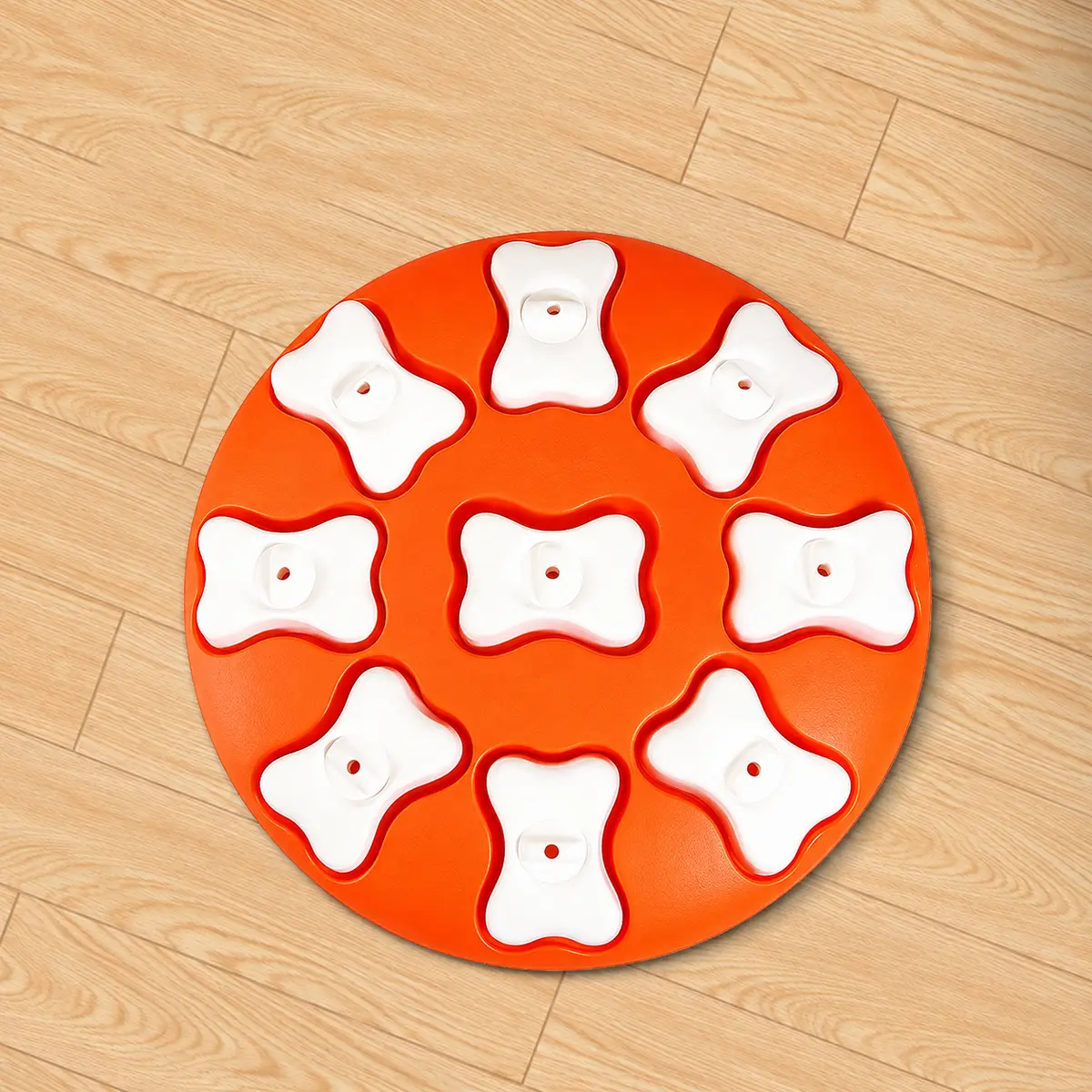
So think of it as chicken you pull apart, not chicken you hand over. Take the meat from the breast or thigh, discard everything else, and serve a small amount. If you want a longer-lasting way to make that treat go further, tucking a few shreds into a slide puzzle treat dispenser or a slow-dispensing puzzle feeder toy turns a bite into a short game, and our dog puzzle toys collection has more styles.
Why the bones are the biggest danger
Cooked chicken bones tend to splinter and can take longer to dissolve. The AKC says no chicken bones are completely safe for dogs, and the possible problems include gastroenteritis, pancreatitis, and a blockage or perforation of the esophagus. A rotisserie bird is full of cooked bones, including small ribs and wing bones that are easy to miss in shredded meat.
Go through the meat by hand before you serve it, and check shreds from near the carcass especially. Never let a dog scavenge the carcass, and take the trash out promptly.
Skin, fat and the juices in the container
The skin and the juices at the bottom of the container are the richest part of the bird. The ASPCA warns that people food tends to be high in fat and sugar, and that too much fat can lead to inflammation of the pancreas, which is called pancreatitis and can land a pet in the hospital. Small amounts of lean, cooked meat free of bones and seasoning are fine, so strip the skin off every time.
Pet Poison Helpline describes a dog that licked up fried-chicken oil seasoned with garlic and onion powder, and needed treatment for vomiting, with monitoring for pancreatitis and damage to red blood cells. Rotisserie drippings are a similar mix of fat and seasoning, so do not pour them over your dog's food either.
Seasoning: the onion and garlic problem
Rotisserie birds are usually seasoned, and onion and garlic are common ingredients in seasoning blends. Pet Poison Helpline says onions and garlic can be deadly to pets if ingested in a large enough quantity, and that garlic is about five times as potent as onion. Powders are concentrated, so a coating can matter even when you only give a little meat.
If you cannot read the ingredient list, or the label mentions onion, garlic, or a spice blend without naming it, skip the bird for your dog. Plain, unseasoned chicken that you cook yourself is the easy alternative.
How to serve it and how much
Pull the meat off the bone with clean hands, remove all skin and fat, and chop or shred it into pieces that suit your dog's size. As a plain-terms guide, a teaspoon or two of shredded meat suits a dog under 20 lb, a tablespoon or two suits a dog of 20 to 50 lb, and a small handful suits a dog over 50 lb. Keep it occasional.
The ASPCA advises that snacks should equal no more than five percent of a dog's daily calories, so a shred or two on top of normal food is plenty. Our guide to dogs and plain chicken covers cooking it at home.
Can puppies have rotisserie chicken?
Puppies can have the same plain, boneless meat in tiny pieces, but it is not needed, and rich or seasoned food can upset a young stomach quickly.
If you want to use chicken as a training reward, a few shreds of plain meat are enough, and your puppy will work for them. For more ways to use treats as rewards, browse dog puzzle toys.
If your dog ate bones or the whole carcass, and when to call the vet
Do not chase your dog or try to grab the bone, which may make it gulp it down, and do not induce vomiting at home. AKC advises calling your vet for advice, and watching your dog closely for 12 to 24 hours. Little concern is typical if there are no symptoms and your dog is eating normally by then.
Call the vet or an emergency clinic right away if you see vomiting or regurgitation, drooling, hard swallowing, choking sounds, an extended neck, loss of appetite, or if your dog ate a seasoned carcass. If you think your dog ate garlic or onion, you can also call the ASPCA Animal Poison Control Center at (888) 426-4435 or Pet Poison Helpline at (855) 764-7661; a fee may apply.
This page is general information, not veterinary advice, and it cannot replace an examination by the vet who knows your pet.
Common questions
Can dogs eat rotisserie chicken skin?
It is best to skip it. The skin is high in fat, and the ASPCA warns that too much fat can lead to pancreatitis. Remove all skin and serve only a small amount of lean, plain meat.
Can dogs eat rotisserie chicken bones?
No. The AKC says no chicken bones are completely safe for dogs, and cooked bones splinter easily. Check shredded meat carefully for small bones, and call your vet if your dog swallowed any.
Is rotisserie chicken seasoned with garlic or onion bad for dogs?
It can be. Pet Poison Helpline warns that onions and garlic can be deadly to pets in a large enough quantity. If the seasoning is not clearly onion and garlic free, do not feed it to your dog.
Can dogs eat rotisserie chicken every day?
It is not a good idea. The ASPCA says snacks should be no more than five percent of daily calories, and store-bought chicken is often seasoned and salty. Plain cooked chicken you make yourself is a better occasional treat.
Can I mix rotisserie chicken into my dog's food?
A few small shreds of plain, boneless, skinless meat are fine as a topper for most healthy dogs. Do not add the skin, juices or seasoned bits, and ask your vet first if your dog has a sensitive stomach.
Sources we checked
This guide is general information, not veterinary advice. If your pet is unwell or injured, contact your veterinarian.