Food safety
Can Dogs Eat Pumpkin Seeds? Best Skipped — Try Pumpkin
Pumpkin seeds are not toxic to dogs, but they are best skipped. Pet Poison Helpline advises against feeding pumpkin seeds and rind, because they are very tough and can cause choking or an intestinal blockage. Roasted seeds from the jack-o-lantern or a snack bag are usually salted, oiled or spiced too. If you want to share pumpkin this fall, plain cooked pumpkin or canned pure pumpkin is the safe, simple option.
By Matt GarnettUpdated November 13, 20264 min read3 sources
Why pumpkin seeds are a poor snack for dogs
Nothing in a pumpkin seed is poisonous to dogs, but the seed is wrapped in a hard, fibrous shell that dogs cannot break down well. Pet Poison Helpline describes pumpkin seeds and rind as very tough, with a risk of choking and intestinal obstruction, and recommends not feeding them.
Shelled seeds, sometimes sold as pepitas, are softer but high in fat. The ASPCA notes that fatty nuts and seeds can cause vomiting, diarrhea and possibly inflammation of the pancreas, so even shelled seeds are best kept to a taste rather than a handful.
The pumpkin seed forms to keep away from your dog
Whole raw seeds scooped from a carving pumpkin are slippery, tough and easy to swallow by the mouthful. Roasted snack seeds are often heavily salted, and too much salt can make a dog ill. Flavored seeds may be coated in garlic or onion powder, chili or sugar.
Trail mixes and granola that contain pumpkin seeds may also include raisins, chocolate or macadamia nuts, which are toxic to dogs. If your dog ate a mix like that, or a large amount of salted seeds, call your vet, ASPCA Animal Poison Control at (888) 426-4435 or Pet Poison Helpline at (855) 764-7661; a fee may apply.
How much is too much for dogs of different sizes
Because the seeds offer little your dog needs, keep any amount tiny: a pinch of ground, shelled seeds for dogs under 20 lb, up to half a teaspoon for dogs of 20 to 50 lb, and up to a teaspoon for dogs over 50 lb, now and then rather than daily.
Treats should stay under about 10% of daily calories, and seeds are calorie-dense. Dogs with a history of pancreatitis, a sensitive stomach or a weight problem should not have them; ask your vet if you are unsure.
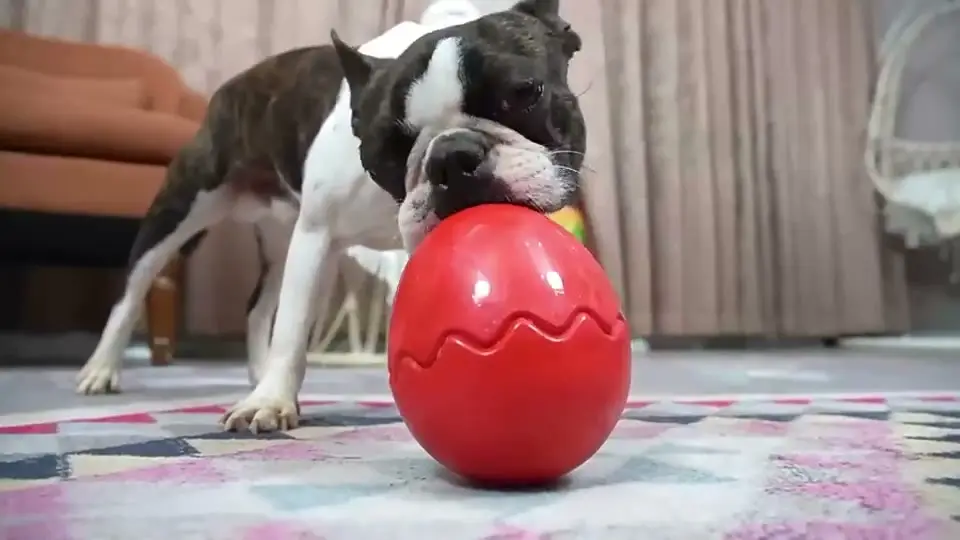
If you like to share small snacks, a lick mat or a treat ball makes a little go further and slows a fast eater down.
Can puppies eat pumpkin seeds?
No. Puppies are small, chew enthusiastically and swallow quickly, which makes whole seeds a real choking and blockage risk, and their digestion is easily upset by fatty foods. There is nothing in pumpkin seeds a puppy needs.
Keep carving pumpkins, seed bowls and roasting trays out of reach in October. If your puppy ate a mouthful of seeds or chunks of pumpkin shell, call your vet for advice, and watch for vomiting, straining or a lack of stool over the next two days.
Signs pumpkin seeds disagreed with your dog, and when to call the vet
Mild upset usually shows within a few hours to a day as vomiting, diarrhea or gas. A blockage can take one to three days to show: repeated vomiting, straining with little or no stool, a painful belly, lethargy and refusing food.
Call your vet the same day for repeated vomiting, a painful belly, or no stool for more than a day after your dog ate seeds or rind. Gagging, drooling or trouble breathing right after eating seeds can mean one is stuck and needs immediate attention.
Plain pumpkin is the better choice
Plain cooked pumpkin and canned pure pumpkin are safe and easy to share. Pet Poison Helpline says cooked or processed pumpkin is easier to digest than raw, and the ASPCA lists cooked, canned pumpkin among vegetables you can share. Check the can lists pumpkin as the only ingredient, not pumpkin pie filling.
A teaspoon for dogs under 20 lb, a tablespoon for dogs of 20 to 50 lb, and up to two tablespoons for dogs over 50 lb is a reasonable treat amount. Ask your vet before using pumpkin for any digestive problem.
This page is general information, not veterinary advice, and it cannot replace an examination by the vet who knows your pet.
Common questions
Can dogs eat roasted pumpkin seeds?
Plain, shelled, unsalted roasted seeds in a tiny amount are unlikely to harm a healthy dog, but salted or seasoned roasted seeds should be avoided. Whole seeds in the shell are a choking and blockage risk.
Can dogs eat raw pumpkin seeds?
It is best not to give them. Raw seeds in the shell are tough and hard to digest, and Pet Poison Helpline advises against feeding pumpkin seeds because of the choking and obstruction risk.
Do pumpkin seeds get rid of worms in dogs?
Pumpkin seeds should not be relied on to treat worms, and using them that way can delay proper treatment. Ask your vet to check your dog and recommend a proven dewormer.
Can dogs eat pumpkin seed shells?
No. The shells are the hardest part to digest and the main cause of choking and blockages. If you share seeds at all, remove the shells first.
Can dogs eat pumpkin?
Yes. Plain cooked pumpkin or canned pure pumpkin is safe in small amounts. Avoid raw pumpkin, the rind and stem, and pumpkin pie filling, which contains sugar and spices.
Sources we checked
This guide is general information, not veterinary advice. If your pet is unwell or injured, contact your veterinarian.