Food safety
Can Dogs Eat Popcorn? Plain and Air-Popped Only
Yes, dogs can eat popcorn if it is plain and air-popped, with no butter, salt or flavoring. Plain popcorn is light, low in calories and not toxic. The movie-night version is the issue: theater and microwave popcorn are soaked in fat and salt, and flavored kinds can carry garlic, onion, cheese powder or chocolate. Unpopped kernels and hulls also get stuck in teeth and can be a choking risk for small dogs.
By Matt GarnettUpdated November 13, 20264 min read3 sources
Why plain popcorn is fine and buttered popcorn is not
Popcorn is simply a whole grain of corn puffed by heat. Air-popped with nothing added, a cup has around 30 calories and some fiber, and the AKC and the ASPCA both describe plain, air-popped popcorn as acceptable for dogs in moderation. There is nothing in the kernel itself that is poisonous.
What changes the answer is what goes on it. Butter and oil add a lot of fat, which can upset a dog's stomach and is linked to pancreatitis. Salt in quantity makes dogs thirsty and, in large amounts, unbalances their electrolytes. Most packaged popcorn carries plenty of both.
The warning: flavored popcorn, kernels and hulls
Avoid kettle corn, caramel corn, cheese corn, ranch and garlic flavors, and chocolate or candy-coated popcorn. Sugar and fat upset the stomach, garlic and onion powders damage red blood cells, and chocolate is toxic. Trail mixes and popcorn tins can also hide raisins or macadamia nuts, which are dangerous for dogs.
Unpopped and half-popped kernels are hard enough to crack a tooth, and they are a choking risk for small dogs. The thin hulls wedge between teeth and under the gumline, which can irritate gums. Pick out the old maids at the bottom of the bowl and throw them away.
How to make popcorn for your dog
Pop plain kernels in an air popper, or on the stove in a dry, covered pan, and skip the oil, butter and salt. Let it cool, then pick out every unpopped or partly popped kernel. Microwave bags are not a good choice even if labeled light, because they usually still contain salt and fat.
Offer a few fully popped pieces by hand, or scatter them in a snuffle mat so your dog has to sniff them out. If you are sharing from your own bowl, set aside a plain portion before you add butter or seasoning rather than trying to pick out clean pieces later.
How much popcorn by dog weight
Treats should stay under about 10 percent of your dog's daily calories. For a dog under 20 lb, five to ten plain popped pieces is plenty. For a dog of 20 to 50 lb, a small handful, roughly a quarter cup, is a sensible limit for one sitting.
For a dog over 50 lb, up to about half a cup of plain air-popped popcorn is fine as an occasional snack. More than that does not add anything and can bring on gas or loose stools, so think of popcorn as a now-and-then treat rather than a nightly habit.
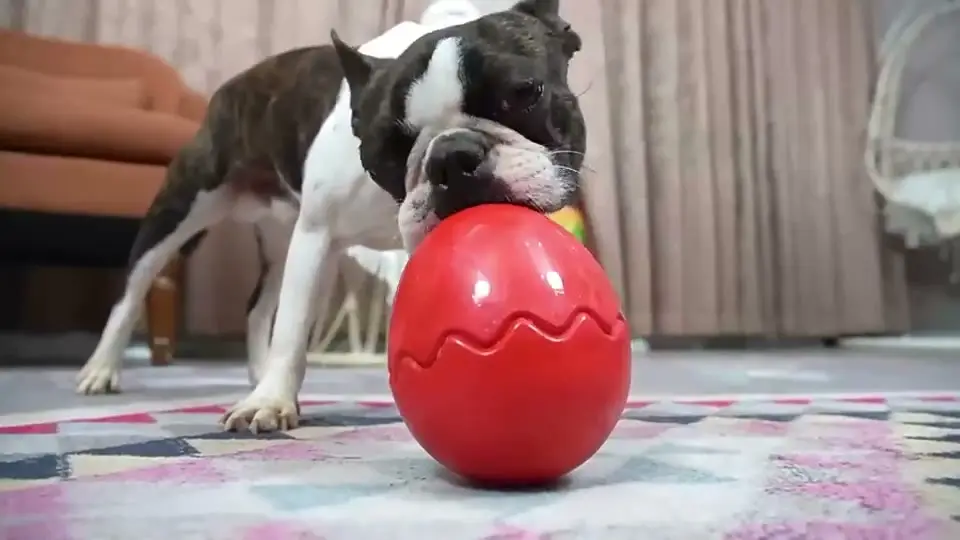
If you like to share small snacks, a lick mat or a treat ball makes a little go further and slows a fast eater down.
Puppies and dogs that should skip popcorn
Puppies can have a couple of fully popped, plain pieces once they are eating solid food, but watch them closely. Their small mouths and enthusiastic gulping make kernels and hulls more likely to cause choking or get stuck, so many owners simply wait until the dog is grown.
Dogs with a history of pancreatitis, dogs on a low-fat or low-sodium diet, and dogs with heart or kidney disease should not share buttered or salted popcorn at all. Dogs with corn allergies should skip it entirely. Check with your vet if your dog has any of these conditions.
Signs it disagreed with them, and when to call a vet
A dog that ate a whole bowl of buttered popcorn may vomit or have diarrhea within a few hours. Call your vet the same day for repeated vomiting, a painful or bloated belly, lethargy, heavy thirst with vomiting, or tremors. Signs of pancreatitis can take a day or two to show.
If the popcorn was chocolate-coated or garlic-flavored, call your vet, ASPCA Animal Poison Control at (888) 426-4435 or Pet Poison Helpline at (855) 764-7661 straight away; a fee may apply. For a safer crunchy snack, try green beans, carrot coins or cucumber.
This page is general information, not veterinary advice, and it cannot replace an examination by the vet who knows your pet.
Common questions
Can dogs eat buttered popcorn?
It is best not to. A few dropped pieces are unlikely to hurt a healthy dog, but buttered popcorn is high in fat and salt, which can cause vomiting, diarrhea and, in some dogs, pancreatitis. Share only plain, air-popped popcorn.
Can dogs eat popcorn kernels?
Unpopped kernels are not toxic but are hard enough to chip teeth and can choke small dogs. Partly popped kernels and hulls also get stuck between teeth. Remove them before sharing and keep the bottom of the bowl away from your dog.
Can dogs eat kettle corn or caramel popcorn?
No. Both are coated in sugar, and caramel corn often contains butter and nuts too. They add empty calories and can upset the stomach. Stick to plain popcorn with nothing added if you want to share.
Can dogs eat microwave popcorn?
Microwave popcorn is a poor choice because nearly every bag contains added oil, salt or butter flavoring, even light versions. Air-popping plain kernels yourself is the only way to be sure it is safe for your dog.
Is popcorn good for dogs?
Plain popcorn is not harmful and adds a little fiber, but it is not a health food for dogs. Its value is as a light, low-calorie treat that many dogs enjoy, given in small amounts alongside a complete diet.
Sources we checked
This guide is general information, not veterinary advice. If your pet is unwell or injured, contact your veterinarian.