Food safety
Can Dogs Eat Pine Nuts? A Fatty Optional Extra
Yes, a small amount of plain pine nuts may be an occasional extra for a dog, but they are not a particularly useful routine treat. AKC lists pine nuts as safe in small amounts while warning about their high fat content and advising that better reward options exist. This does not approve a mixed nut bag or a sauce containing pine nuts. Check the actual preparation and your dog’s individual restrictions before sharing.
By Matt GarnettUpdated November 13, 20264 min read3 sources
Keep the pine-nut verdict separate from other nuts
AKC specifically identifies pine nuts as safe in small amounts, with a warning about fat. It does not extend that statement to every nut. A mixed bag needs assessment by its complete contents rather than by the presence of one ingredient that happens to be acceptable in a plain form.
Use the original label to identify the product instead of sorting an unfamiliar mixture by appearance. Keep coated, seasoned, or mixed snacks out of reach while checking them. If the dog has already eaten from a shared bowl, tell the veterinarian that the exact mixture and amount may be uncertain rather than describing the exposure as plain pine nuts.
Fat and calories matter even without a poison label
AKC’s tree-nut discussion emphasizes that nuts supply substantial fat and calories and that more suitable treats are available. A food can therefore be an unhelpful regular reward even when it is not classified as a poison. Do not treat a non-toxic description as a recommendation to add a daily handful to the dog’s food.
Ask the veterinarian before offering the extra to a dog with a prescribed diet, a prior digestive problem, or a restriction on dietary fat. Show the actual product and explain the usual meals and other rewards. Another dog’s experience cannot establish whether the same snack fits your own dog’s health needs.
A sauce needs its own ingredient assessment
AKC’s general people-food guidance advises checking prepared foods and keeping suitable shared portions plain. Pine nuts appearing in a sauce, spread, or baked dish do not make the entire recipe appropriate. Save the full ingredient list, including anything added while preparing or serving the food.
If you cannot establish the recipe, choose a familiar permitted reward instead. Do not try to pick individual nuts out of a finished meal and assume the preparation no longer matters. After an unexpected ingestion, tell the clinic what the complete dish was and whether any other food or packaging could have been swallowed.
Choose a reward around the whole feeding routine
VCA’s feeding guidance emphasizes an appropriate complete diet for the individual dog. Extra nuts cannot replace that balance or provide a homemade feeding plan. Keep the usual complete food as the main source of nutrition and discuss significant changes with the veterinarian instead of building meals from lists of acceptable human foods.
Include all household rewards when discussing calories: training treats, table food, food hidden with medication, and snacks from other caregivers. Consider whether part of the usual food could meet the purpose of a reward. A dog does not need pine nuts simply because people describe them as nutritious or enjoy them in their own meals.
Supervise any approved extra and observe the response
If the veterinarian permits a plain portion, keep it modest and supervise eating. Ask about texture when the dog has a swallowing or dental concern rather than using the food’s small size as reassurance. Stop if the dog coughs, gags, or struggles, and obtain urgent help for breathing difficulty.
Avoid several unfamiliar foods at once. Contact the veterinarian about vomiting, diarrhea, appetite changes, apparent discomfort, or unusual behavior after a snack, and record the timing and other foods involved. Symptoms cannot establish an allergy or another diagnosis at home. Do not repeatedly offer nuts as a test of whether they caused the problem.
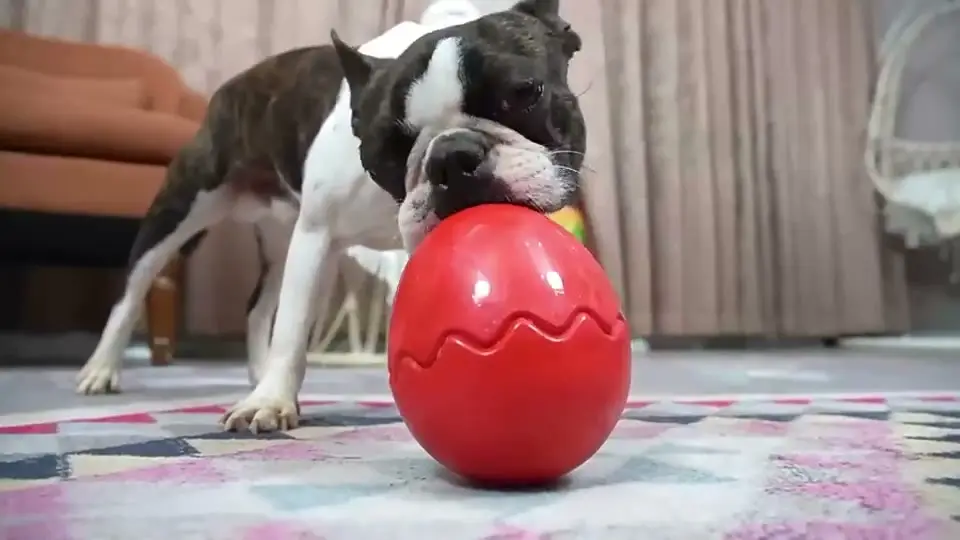
If you like to share small snacks, a lick mat or a treat ball makes a little go further and slows a fast eater down.
Keep an accidental exposure record clear
Remove remaining food and keep the package or recipe. Note what seems missing, when the dog had access, and its weight in pounds. Report swallowed packaging or an uncertain mixture separately from the nuts. Contact the veterinarian for advice; collapse, marked weakness, repeated vomiting, or trouble breathing needs prompt attention. Do not use human medication or a home vomiting remedy.
This page is general information, not veterinary advice, and it cannot replace an examination by the vet who knows your pet.
Common questions
Are pine nuts the same risk as every other nut?
No. AKC discusses different nuts separately and lists pine nuts as safe in small amounts while warning about their fat content. Do not apply that statement to an unidentified mixed bag.
Can my dog have a sauce made with pine nuts?
Assess the complete recipe rather than only the nuts. Keep the full ingredient list and ask about the actual preparation, or choose a familiar permitted reward when the contents are uncertain.
Should pine nuts become a daily supplement?
No. A safe-food statement does not establish a supplement benefit or a balanced feeding plan. Keep appropriate complete food as the foundation and discuss any dietary change around the individual dog’s needs.
What if my dog eats a large amount?
Remove access, keep the label, and contact your veterinarian with the estimated amount, time, dog’s weight, and symptoms. Explain any other ingredients or missing packaging rather than assuming plain-nut advice covers the whole incident.
Sources we checked
This guide is general information, not veterinary advice. If your pet is unwell or injured, contact your veterinarian.