Food safety
Can Dogs Eat Pepperoni? No — Too Salty, Fatty and Spiced
No, dogs should not eat pepperoni: it is too salty, fatty and spiced for them, and a large amount can cause salt poisoning or pancreatitis. Many brands also contain garlic or onion. A slice that falls off a pizza is unlikely to cause more than a mild upset, but if your dog ate a pack or seems unwell, call your vet, the ASPCA Animal Poison Control Center at (888) 426-4435 or Pet Poison Helpline at (855) 764-7661. A fee may apply.
By Matt GarnettUpdated November 13, 20264 min read3 sources
Why pepperoni is bad for dogs
Pepperoni is a cured, dry sausage made from pork and beef, seasoned heavily with paprika, chili, black pepper and often garlic. AKC Chief Veterinarian Dr. Jerry Klein describes it as too spicy and too fatty for dogs, and notes that its fat contributes to obesity and puts dogs at risk of pancreatitis.
Salt is the third problem. Curing relies on a lot of sodium, so even a few slices carry a meaningful salt load for a small dog. The AKC warns that pepperoni can cause salt toxicosis, in which too much salt in the bloodstream leads to vomiting, diarrhea or seizures.
Garlic, onion and pizza
Many pepperoni recipes include garlic or onion powder, and the ASPCA warns that these Allium vegetables can damage red blood cells and lead to anemia. Because seasonings vary by brand, you often cannot tell how much is in a given slice.
Pepperoni usually arrives on pizza, which adds more risk: sauces and crusts are often made with garlic, onion and butter, and the cheese adds fat. If your dog ate pizza, pepperoni sticks or snack packs, check the ingredients and call your vet, the ASPCA Animal Poison Control Center at (888) 426-4435 or Pet Poison Helpline at (855) 764-7661; a fee may apply.
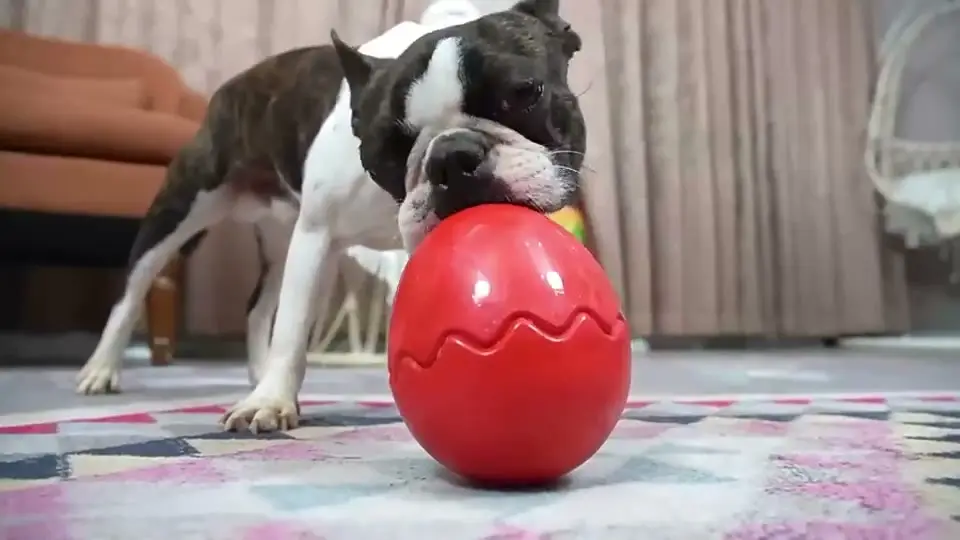
If you like to share small snacks, a lick mat or a treat ball makes a little go further and slows a fast eater down.
My dog ate pepperoni: what to do
Work out roughly how much was eaten and keep the package. One or two slices for a medium or large dog usually needs only watching: put out plenty of fresh water and keep an eye on stools and appetite for the next day.
The AKC advises talking to your veterinarian promptly to decide whether treatment or monitoring is needed. Call straight away if your dog is small, ate a stick or a whole pack, ate pizza or a product containing garlic or onion, or has had pancreatitis before. Do not make your dog vomit unless a vet tells you to.
Is any amount of pepperoni okay?
There is no serving size to recommend. A single slice snatched from a plate is unlikely to harm a healthy, larger dog, but there is no benefit to sharing it and the risks build with every slice. For dogs under 20 lb, even two or three slices are a big dose of salt and fat.
Dogs with heart disease, kidney disease or a history of pancreatitis are the most vulnerable to salty, fatty foods and should never be given pepperoni. If your dog has one of those conditions and ate some, call your vet the same day.
Puppies and pepperoni
Puppies are smaller, so the same slice delivers far more salt and fat relative to body weight, and their stomachs are more sensitive. Vomiting and diarrhea can dehydrate a puppy quickly, which turns a mild upset into a reason to see a vet.
Keep pizza boxes, charcuterie boards and snack bags well out of reach. Puppies are expert counter-surfers once they find the smell of cured meat, and they will often swallow plastic packaging along with the contents, which is a separate blockage risk.
Signs to watch for and when to call a vet
Stomach upset from pepperoni usually appears within a few hours: vomiting, diarrhea, drooling, gas or a sore belly. Excessive thirst and urination are signs of too much salt. Pancreatitis tends to appear within one to four days and may show as repeated vomiting, a hunched posture, refusing food and lethargy.
Go to a vet the same day for repeated vomiting, a painful belly, weakness or lethargy. Go immediately for tremors, wobbliness, seizures or collapse, which can be signs of salt toxicosis. Mention how much pepperoni your dog ate and when.
Safer meaty treats
Dogs love the smell of pepperoni because it is meaty and fatty. Plain cooked chicken or turkey breast, cut into small cubes with no skin, bones or seasoning, gives the same reward without the salt. The ASPCA lists small amounts of lean, cooked, boneless, unseasoned meat as acceptable and advises avoiding processed meats.
Single-ingredient dog treats such as dried chicken or beef liver are another easy option. Keep any treat to a small share of your dog's daily food so the main diet stays balanced.
This page is general information, not veterinary advice, and it cannot replace an examination by the vet who knows your pet.
Common questions
Can dogs eat turkey pepperoni?
Turkey pepperoni is lower in fat but just as salty and spiced, and may still contain garlic or onion. It is not a good treat. Plain roasted turkey breast is a much safer choice for your dog.
Will one slice of pepperoni hurt my dog?
One slice is unlikely to seriously harm a healthy medium or large dog, though it may cause a mild upset. Small dogs, puppies and dogs with health problems are more at risk, so call your vet if you are unsure.
Can dogs eat pepperoni pizza?
No. Pepperoni pizza combines salty, fatty meat with cheese and a sauce and crust that often contain garlic and onion. If your dog ate a slice or more, watch for vomiting and call your vet.
Can pepperoni cause pancreatitis in dogs?
Yes, the AKC warns that pepperoni's fat can put dogs at risk of pancreatitis, which can be life-threatening if untreated. Repeated vomiting, belly pain and refusing food after a fatty meal need a vet.
What should I do if my dog ate a whole bag of pepperoni?
Call your vet or an animal poison control line straight away with the package. A large amount of salty, fatty meat can cause salt toxicosis or pancreatitis, and early treatment is much easier.
Sources we checked
This guide is general information, not veterinary advice. If your pet is unwell or injured, contact your veterinarian.