Food safety
Can Dogs Eat Pecans? No — They Can Make Dogs Very Sick
No, dogs should not eat pecans, because they can poison dogs: moldy pecans can carry mycotoxins that cause tremors and seizures, and the nuts also contain juglone and enough fat to bring on vomiting and pancreatitis. If your dog has eaten pecans, call your vet, ASPCA Animal Poison Control at (888) 426-4435 or Pet Poison Helpline at (855) 764-7661; a fee may apply. There is no safe amount to aim for.
By Matt GarnettUpdated November 13, 20264 min read3 sources
Why pecans are dangerous for dogs
The AKC says pecans are not good for dogs and that even a small number can make a dog very sick. Three things combine. Pecans contain juglone, the same compound found in walnuts, which can cause severe vomiting and diarrhea. They are very high in fat. And they grow mold easily.
That mold is the most serious part. Aspergillus and other molds on pecan shells and nuts can produce mycotoxins, including aflatoxin, and the AKC notes these can cause tremors, seizures and other neurological problems. Mold is not always visible, so a nut that looks fine can still carry it.
Pecans, fat and pancreatitis
The ASPCA groups pecans with almonds and walnuts as nuts high in oils and fats that can cause vomiting, diarrhea and possibly pancreatitis. Pancreatitis is inflammation of the pancreas, and VCA lists a fatty meal as one known trigger.
Pecan-heavy foods add to the fat. Candied pecans, pecan pralines, butter pecan ice cream and pecan pie all carry sugar and butter on top of the nuts. A dog that clears a tray of these is getting a very large dose of fat in one sitting.
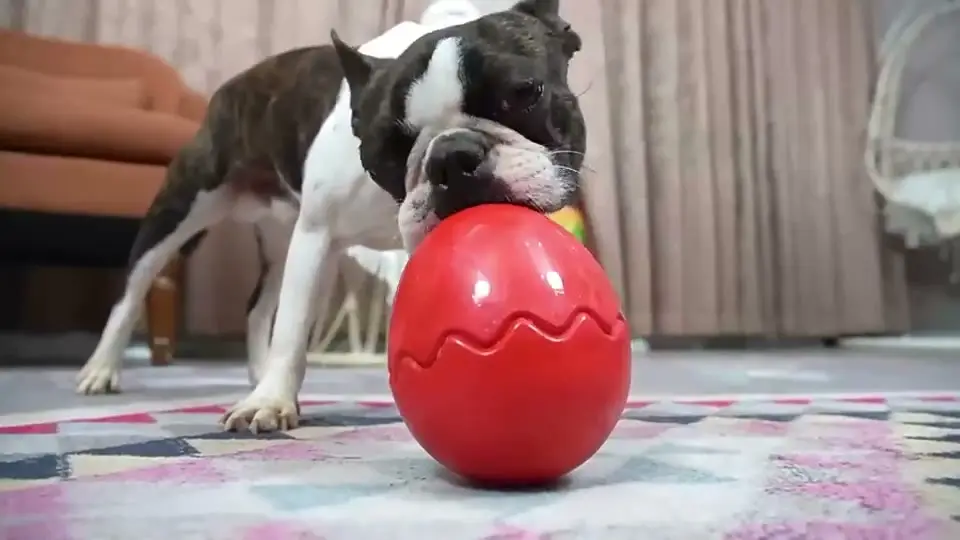
If you like to share small snacks, a lick mat or a treat ball makes a little go further and slows a fast eater down.
What to do if your dog ate pecans
Work out roughly how many pecans were eaten, whether they were in shells, moldy or part of a dessert, and when. Then call your vet, ASPCA Animal Poison Control at (888) 426-4435 or Pet Poison Helpline at (855) 764-7661. A consultation fee may apply. The AKC advises contacting a vet right away even if only one or two pieces were eaten.
Do not try to make your dog vomit at home unless you are told to. If your regular clinic is closed, an emergency animal hospital can advise you. Bring the packaging or a sample of the nuts if there is any left.
Signs to watch for after eating pecans
Vomiting and diarrhea from juglone or fat usually start within a few hours. Signs that can point to pancreatitis include repeated vomiting, a painful belly, a hunched posture, lethargy and loss of appetite, often within 24 to 72 hours of a fatty meal.
Tremors, twitching, wobbliness or seizures suggest mycotoxin poisoning and are an emergency: go to the nearest vet straight away. Whole pecans and shell pieces can also cause choking or a blockage, so retching, gagging or straining are reasons to be seen that day.
Pecan trees, yards and puppies
If you have a pecan tree, fallen nuts in fall are the main risk, especially once they have been lying in damp grass and grown mold. Rake them up regularly and do not let your dog forage under the tree. Hulls and shells are also hard and sharp enough to cause gut injury.
Puppies are especially at risk because they chew and swallow anything on the ground and their small size means less is needed to cause harm. Keep bowls of mixed nuts and holiday baking off low tables when a puppy is in the house.
Pecan pie and holiday baking
Pecan pie shows up on Thanksgiving and Christmas tables across the country, and a slice left on a coffee table is an easy target. Beyond the pecans, the filling is mostly sugar, corn syrup and butter, and some recipes add chocolate or bourbon, which are both harmful to dogs.
Treat a stolen slice the same way as stolen pecans: call your vet or a poison line, describe what was in it, and watch for vomiting or tremors. Keep desserts on the counter until guests are ready to eat, and clear plates promptly.
Safer crunchy treats to give instead
If your dog loves crunch, try carrot coins, apple slices with the core and seeds removed, or green beans. A small amount of plain, unsalted peanut butter with no xylitol is another favorite, smeared thinly in a toy.
Some other nuts are also dangerous. Macadamia nuts can cause weakness, tremors and high temperature in dogs, and walnuts share the mold risk that pecans carry. When in doubt, keep nuts for people only.
This page is general information, not veterinary advice, and it cannot replace an examination by the vet who knows your pet.
Common questions
Will one pecan hurt my dog?
One or two pecans may not cause a major problem, but the AKC still advises calling a vet. A single moldy nut can carry mycotoxins, and you often cannot tell by looking. Watch for vomiting, tremors or a sore belly.
Can dogs eat pecan pie?
No. Pecan pie combines pecans with sugar, corn syrup and butter, and some recipes add chocolate or bourbon. If your dog ate some, call your vet or ASPCA Animal Poison Control at (888) 426-4435; a fee may apply.
Are pecan shells bad for dogs?
Yes. Shells are hard and sharp, can cause choking or gut injury, and are often where mold grows. Keep dogs away from fallen pecans and shell debris in the yard.
Can dogs eat butter pecan ice cream?
No. It combines dairy, sugar, fat and pecans. Lactose and fat upset many dogs' stomachs, and the nuts carry their own risks. Choose a plain frozen treat made for dogs instead.
Are pecans as bad as macadamia nuts for dogs?
They cause problems in different ways. Macadamia nuts cause weakness, tremors and high temperature on their own, while pecans are risky because of juglone, fat and mold. Both should be kept away from dogs.
Sources we checked
This guide is general information, not veterinary advice. If your pet is unwell or injured, contact your veterinarian.